The Ice Tower, the latest film from director Lucile Hadžihalilović, brings an unsettling yet poignant exploration of adolescence, tightly weaving themes from classic literature with a surreal backdrop. Known for her previous works such as Innocence (2004) and Evolution (2015), Hadžihalilović continues her tradition of delving into the complexities of youth.
A Surreal Coming-of-Age Narrative
The film introduces Jeanne, a young girl portrayed by Clara Pacini, who inhabits a picturesque yet frigid Alpine village reminiscent of a fairy tale. The icy landscapes serve as a metaphor for her inner turmoil as she yearns to escape her sheltered existence. The story kicks off with a haunting voiceover of Hans Christian Andersen’s The Snow Queen, setting a tone of enchantment and foreboding.
Jeanne’s Journey: A Quest for Identity
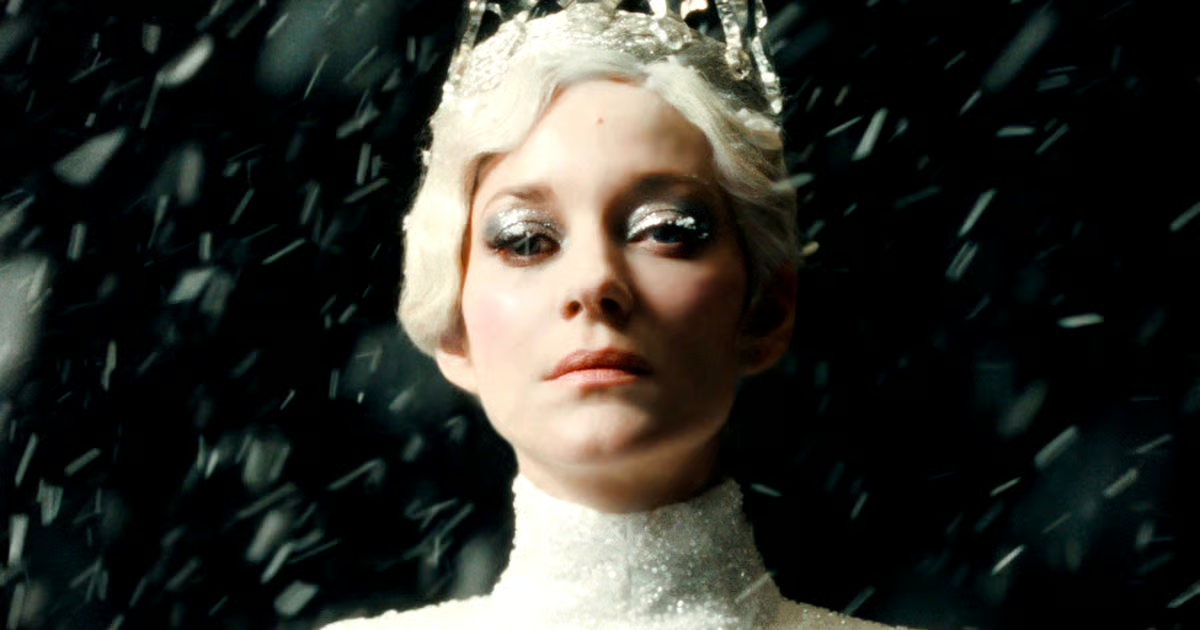
As Jeanne embarks on a quest for maternal love, her naivety leads her to face the harsh realities of adult life. She encounters Cristina van den Berg, played by Marion Cotillard, an enigmatic actress embodying the Snow Queen in a film production. Cristina’s grandeur fascinates Jeanne, yet her complex persona brings forth questions about power and manipulation in relationships.
The Dual Nature of Cristina’s Character
Cristina’s character offers a stark juxtaposition to Jeanne’s innocence. Once a foster child herself, she represents both a warning and a model of resilience. Her tumultuous past has shaped her into a mysterious figure who both protects and ensnares Jeanne. The dynamic between the two girls illustrates the intricate dance of mentorship and exploitation, leaving audiences pondering the fine line between inspiration and danger.
A Fusion of Fairy Tale and Psychological Depth
The Ice Tower doesn’t just draw from Andersen’s works; it amalgamates elements of fantasy and psychological thriller. The film weaves an intricate tapestry resembling the films of David Lynch, with a nightmarish undertone that echoes the anxieties of growing up. Fans of surreal cinema will find themselves captivated by this blend of fairy tale and dark realism, reminiscent of Eraserhead (1977) and Mulholland Dr. (2001).
Thematic Underpinnings: A Reflection on Fate
At its core, the film grapples with the idea of destiny. Cristina’s narrative serves as a cautionary tale, revealing the potential future facing young girls like Jeanne and her foster sister, Rose. Through this lens, Hadžihalilović compels her audience to contemplate the choices they make and the inescapable nature of their paths.
Visual and Emotional Impact
The film’s aesthetics are as striking as its themes. The breathtaking, snowy landscapes are not just a backdrop; they symbolize the fragility and confusion of youth. The chilling atmosphere evokes the sensation of navigating an emotional labyrinth, where each twist leads to further introspection.
Cinematic Legacy and Cultural Significance
The Ice Tower stands as a powerful addition to modern cinema, drawing parallels with influential works while carving its own identity. The film speaks to the psychological nuances of adolescence and the challenges it entails, resonating with audiences who have experienced similar trials of air and ice.
Conclusion: An Icy Reflection on Growth
In conclusion, Lucile Hadžihalilović’s The Ice Tower is a delicate masterpiece that mirrors the complexities of growing up. Its blend of haunting visuals, fairy tale elements, and psychological depth creates a mesmerizing experience that is sure to linger with viewers long after the credits roll. For those eager to delve deeper into film reviews, explore more at AxomLive News.