The fifth and final season of Stranger Things has arrived, and while fans are dissecting every plot twist and character arc, another conversation is gaining momentum: which song will become this season’s breakout hit?
It’s a question with precedent. The Duffer Brothers’ supernatural thriller has repeatedly proven its ability to resurrect decades-old tracks and thrust them back into the cultural zeitgeist. Season 4 sent Kate Bush’s 1985 masterpiece “Running Up That Hill” soaring up global charts, while Metallica’s “Master of Puppets” experienced a similar renaissance following that unforgettable Eddie Munson guitar solo.
Now, with four episodes already released, the show’s musical selections are once again proving that a well-placed song can be just as powerful as any special effect or plot revelation.
Music as Character, Not Just Background
What sets Stranger Things apart from other period dramas is how deliberately it wields music. These aren’t arbitrary needle drops meant to signal an era—they’re carefully calibrated emotional beats that drive the narrative forward and deepen our connection to the characters.
The soundtrack functions almost as an additional cast member, one that speaks directly to anyone who lived through the 1980s while simultaneously introducing younger audiences to the decade’s sonic landscape. It’s a delicate balance, and the show continues to strike it with remarkable precision.
Episode-by-Episode Breakdown
Chapter One: The Crawl
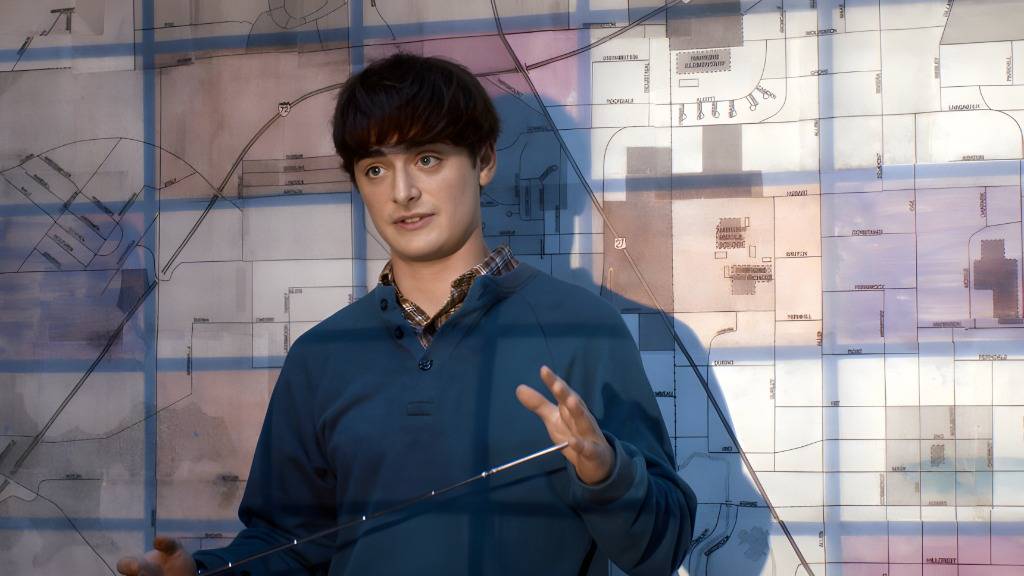
The season opens with Will Byers singing The Clash’s “Should I Stay or Should I Go,” immediately transporting longtime viewers back to the show’s origins. It’s a nostalgic gut-punch that reminds us how far these characters have come.
Michael Jackson’s “Rockin’ Robin” injects youthful energy, while The Psychedelic Furs’ “Pretty in Pink” captures the era’s new wave aesthetic perfectly. Diana Ross’s “Upside Down” accompanies a montage that, true to its title, reflects the show’s penchant for inverting the ordinary.
And then there’s Kate Bush. “Running Up That Hill (A Deal With God)” makes its return, anchoring several emotional moments with the same haunting urgency that made it Season 4’s standout track.
Chapter Two: The Vanish of Holly Wheeler
ABBA’s “Fernando” plays during a Demogorgon attack, an unexpected juxtaposition that somehow heightens the scene’s tension. It’s exactly the kind of bold choice that defines the show’s musical identity—taking a song known for one context and deploying it in another entirely.
The Chordettes’ “Mr. Sandman” offers a brief respite, a lighter moment that provides necessary breathing room amid the mounting dread.
Chapter Three: The Turnbow Trap
Tiffany’s “I Think We’re Alone Now” accompanies Holly’s dance sequence before returning during the credits. It’s a track that embodies 1980s pop innocence, making it particularly effective in a show that constantly threatens to shatter that innocence.
Meanwhile, Yello’s “Oh Yeah”—a song that became synonymous with Ferris Bueller’s Day Off—soundtracks banter between Dustin and Steve, highlighting their enduring friendship with a touch of comedic levity.
Chapter Four: Sorcerer
Karl Swenson’s “Higitus Figitus” from The Sword in the Stone plays as the family watches the Disney classic together, a moment of warmth before the inevitable darkness descends.
Kate Bush returns once more, this time during a pivotal scene set within Vecna’s mindscape. The song has become so intertwined with the show’s mythology that its reappearance feels both expected and deeply satisfying.
The Chart-Topping Question
With Spotify already updating its official Stranger Things playlist to include the new selections, speculation is rampant about which track might achieve viral status. Will “I Think We’re Alone Now” experience the same resurrection as “Running Up That Hill”? Could ABBA’s “Fernando” find a new generation of fans?
The show’s track record suggests that at least one of these songs will break through. Previous seasons haven’t just reminded people of great music—they’ve actively reshaped listening habits and streaming patterns. When a show commands the cultural attention that Stranger Things does, its musical choices carry weight far beyond the screen.
Bridging Generations Through Sound
What makes the Stranger Things soundtrack phenomenon particularly fascinating is its intergenerational appeal. For viewers who lived through the 1980s, these songs trigger genuine nostalgia, transporting them back to specific moments in their own lives. For younger audiences discovering these tracks for the first time, they serve as a gateway to an era they never experienced.
This dual appeal has created something rare in modern entertainment: a shared cultural vocabulary that spans age groups. Parents and children can discuss not just the show’s plot but its music, creating connections through shared listening experiences.
The Final Season’s Musical Legacy
As the series heads toward its conclusion, the pressure is on to deliver a soundtrack worthy of the show’s finale. The Duffer Brothers have demonstrated repeatedly that they understand music’s emotional power, using it to amplify joy, heighten terror, and punctuate heartbreak.
With more episodes still to come, the complete musical picture of Season 5 remains incomplete. But if the first four episodes are any indication, the show’s final bow will be as sonically memorable as anything that’s come before.
The real question isn’t whether Stranger Things Season 5 will produce another musical moment that captures the internet’s imagination—it’s which song will claim that distinction. Based on the show’s history and the strength of its current selections, something special is almost certainly on the horizon.
For now, fans old and new are pressing play, letting these carefully chosen tracks transport them back to Hawkins one last time. And somewhere, a song that’s been waiting decades for its moment is about to find a whole new audience.