
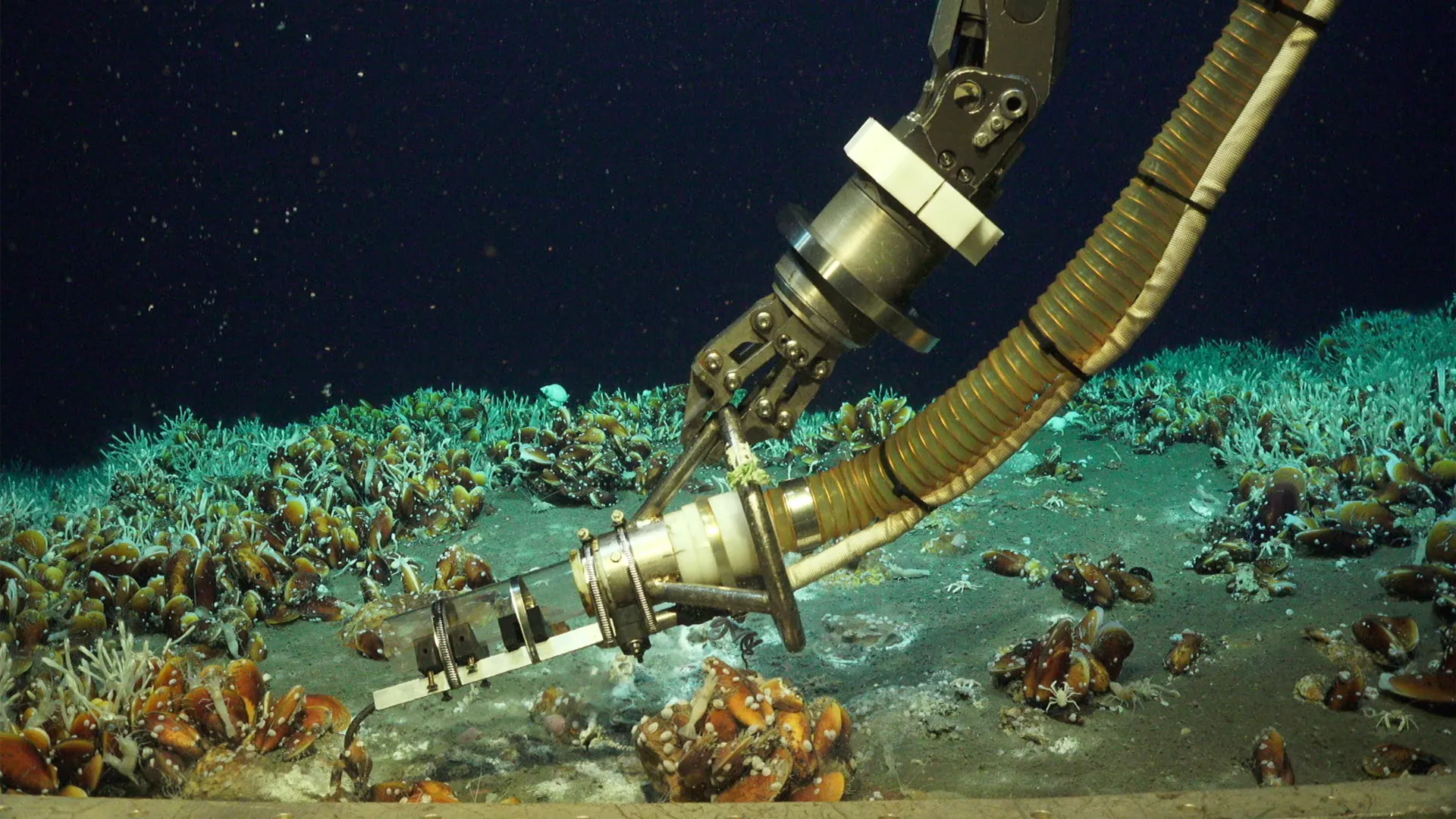
Off the coast of Papua New Guinea, scientists have stumbled upon an extraordinary discovery: a previously unknown type of hydrothermal field that showcases a remarkable blend of geological processes. Here, hot hydrothermal fluids rise from beneath the seafloor, while simultaneously, substantial amounts of methane and other hydrocarbons escape from the surrounding sediments. This unprecedented interaction has not been documented anywhere else in the world. Located approximately 1,300 meters deep on the slope of Conical Seamount, near Lihir Island, this site holds significant scientific intrigue.
Details of these groundbreaking findings were recently published in Scientific Reports, adding to our understanding of hydrothermal ecosystems and their complexities.
The Surprising Discovery of a Hybrid Hydrothermal System
Dr. Philipp Brandl, a marine geologist at the GEOMAR Helmholtz Centre for Ocean Research Kiel, led the SONNE expedition SO299 DYNAMET in 2023, which aimed to investigate the underwater volcanoes in the Tabar-Lihir-Tanga-Feni island chain. “We essentially have a hot vent bubbling right next to a cool gas seep — a combination that has never been documented before,” Dr. Brandl expressed. Researchers had previously observed signs of hydrothermal activity in the area, but nothing as distinct as what they encountered during this mission.
The unveiling of this unique hydrothermal field came as a surprise to the research team. “It was a real surprise, especially for those of us who had worked in this area multiple times,” Dr. Brandl noted. The unexpected revelation was made possible through the deployment of the remotely operated underwater vehicle (ROV) Kiel 6000, which allowed the team to clearly observe the site’s unusual features.
The Dynamics of Hot and Cool Vents
Traditionally, hydrothermal vents and methane seeps are found separately on the seafloor, but this particular site offers a rare instance of them existing in such proximity. The unique geological formation of Conical Seamount, with its thick layers of organic-rich sediments beneath a volcanic structure, facilitates this hybrid system. As magma rises, it heats these buried sediments, producing methane and other hydrocarbons. Concurrently, this heat propels chemically rich fluids upwards, resulting in the emergence of hot hydrothermal vents at the seafloor.
This co-occurrence leads to a fascinating display where hot water and cold gas escape from the seafloor merely centimeters apart, creating a novel interplay of environmental conditions.
A Unique Deep-Sea Habitat
The hybrid system of hot and cool vents cultivates a distinct deep-sea environment that supports a diverse array of marine life. The rocky surfaces are densely populated with Bathymodiolus mussels, tube worms, shrimp, amphipods, and striking purple sea cucumbers. “In places, you couldn’t see a single patch of rock because everything is so densely populated,” Dr. Brandl said, indicating the biological richness of the area. Given the diversity of life there, researchers anticipate that some species may be previously undiscovered, necessitating dedicated future expeditions to explore this unique habitat further.
In recognition of the mussels dominating the area, the research team, along with local observer Stanis Konabe from the University of Papua New Guinea, named the site ‘Karambusel,’ meaning ‘mussel’ in Tok Pisin.
The Geochemical Significance of Karambusel
The intricate gas mixture at Karambusel not only shapes its biological community but also has significant geological implications. Researchers found that methane levels exceed 80 percent, while the rising hot fluids alter chemical conditions beneath the seafloor. This particular interaction has led to the accumulation of precious metals like gold and silver, alongside elements such as arsenic, antimony, and mercury within the surrounding rocks. These mineral deposits indicate that the area once experienced intense hydrothermal activity related to high-temperature processes, despite the current cooler conditions.
This Site Faces Human Threats
Though the Karambusel site is remarkable for its geological and biological uniqueness, it faces considerable threats from human activity. Nearby mining operations, particularly at the Ladolam gold mine, release waste materials into the ocean, impacting marine environments. Additionally, existing exploration licenses for seafloor minerals and hydrocarbons further jeopardize this delicate ecosystem.
The research team urges for ongoing investigation into this vital region, coupled with strategic marine spatial planning and protective measures to preserve this extraordinary habitat. Dr. Brandl emphasizes the need for protection: “We have discovered an unexpected treasure trove of biodiversity in the Karambusel field that needs to be protected before economic interests destroy it.”
This extraordinary discovery not only expands our understanding of hydrothermal systems but also underscores the importance of balancing scientific exploration with environmental stewardship. As we learn more about these unique ecosystems, it becomes imperative to advocate for their protection and sustainability against the looming threats posed by human activities.