Google Launches UPI-Linked Credit Card to Revolutionize Consumer Finance in India
Google is taking a significant step into the consumer finance sector in India with its new UPI-linked credit card, Flex by Google Pay. This launch aims to tap into a vast market of over 1.4 billion people, where under 50 million currently use credit cards. With a focus on enhancing access to credit, this initiative could redefine financial transactions in the country.
Key Updates: Flex by Google Pay Arrives
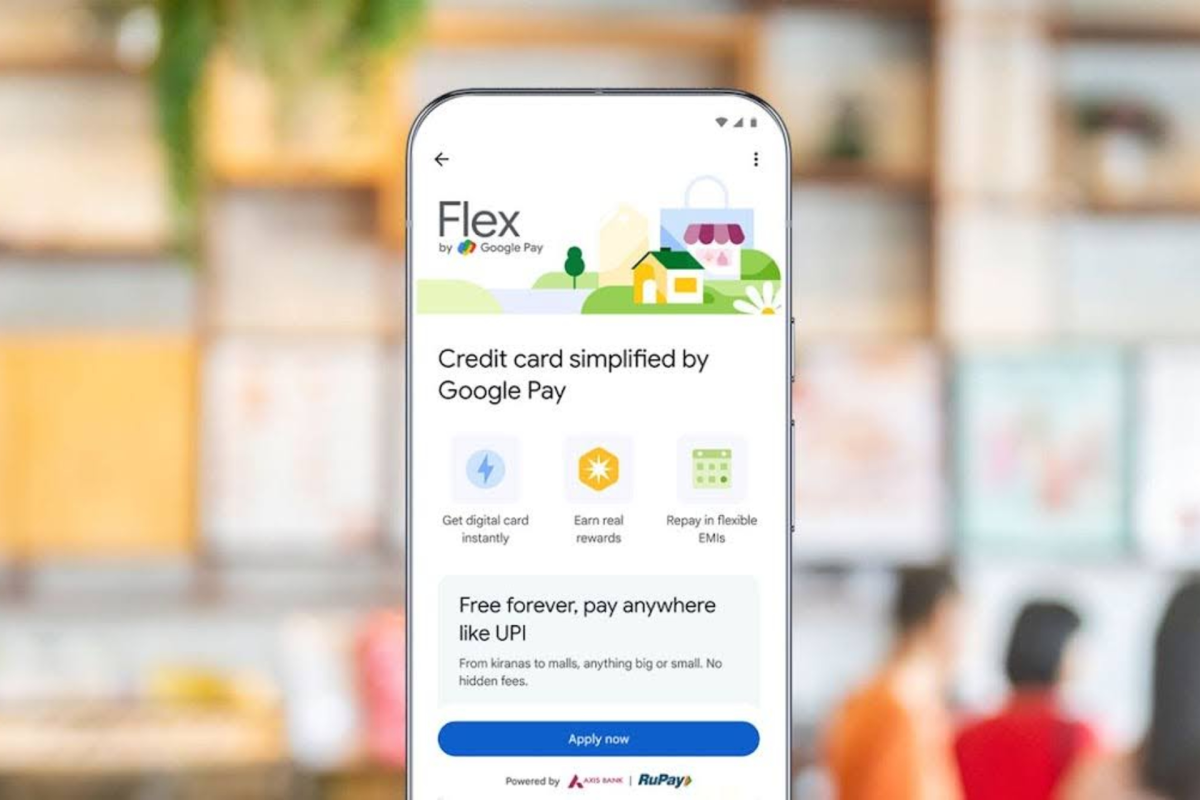
On Wednesday, Google officially introduced Flex by Google Pay in collaboration with Axis Bank, marking its entry into India’s co-branded credit card market. The card is digitally issued through the Google Pay app and can be utilized for online and in-store purchases. Designed around the RuPay network, this innovative card features a rewards program where users earn virtual “Stars” on each transaction, with 1 Star equating to ₹1.
Understanding the Digital Gap in Credit Access
India’s rapid digital payment adoption via the Unified Payments Interface (UPI) has reshaped consumer behavior, yet access to credit remains limited. This gap presents a lucrative opportunity for tech companies and banks to integrate lending into commonly used payment apps, highlighting why Google is moving into this finance space.
Features and Benefits of Flex
The Flex credit card allows users to track spending and bills directly within the Google Pay app. Customers can choose between full repayment or installment options, while also having control over security measures, like blocking the card or resetting a PIN.
Expanding Credit Access in India
This launch is part of Google Pay’s broader mission to improve credit access in India. The company has already forged partnerships with various banks and non-banking financial institutions to provide personal and gold-backed loans through its app. By tapping into its extensive user base, Google Pay enables Axis Bank to reach a digitally savvy audience as lenders increasingly prefer technology to distribute credit.
Future Plans for Co-Branded Credit Cards
While the initial collaboration is with Axis Bank, Google plans to onboard additional issuer partners to broaden its credit card offerings in India. This strategic move aims to capture a larger share of the rapidly expanding credit market.
An Expanding Market: Credit Card Usage in India
India’s credit card market is experiencing substantial growth, with roughly 110 million outstanding cards, a remarkable annual growth rate of about 14%. Transaction values have soared almost 30%, indicating a broader acceptance and reliance on credit cards for everyday expenses.
Tackling Consumer Hesitations
Despite these advancements, the increase in credit card users has largely stemmed from existing customers rather than new adopters. Google aims to change this by introducing new users to the credit system, especially those hesitant about traditional repayment structures. As highlighted by Sharath Bulusu, Google Pay’s Senior Director of Product Management, flexible repayment options are designed to address concerns regarding fluctuating billing for first-time users.
Competitive Landscape: Co-Branding Challenges
Google’s entry comes at a time when the co-branded credit card market is increasingly competitive, with major players like Amazon and Walmart’s Flipkart already in the field. Other sectors—like food delivery and travel—are also hopping on board, partnering with banks to offer similar products.
The Projection for Co-Branded Cards
According to consultancy firm Redseer, co-branded credit cards currently represent about 12–15% of total credit cards in India and are predicted to account for over 25% of the market by 2028, with a projected growth rate of 35-40% annually.
Pocket Money Feature: Teaching Children Financial Responsibility
Alongside the credit card launch, Google is also implementing a feature called “Pocket Money” in the Google Pay app. This allows parents to provide limited digital payment access to their children. Built on the UPI Circle framework, parents can set monthly spending caps or approve individual transactions, enhancing family financial management.
Empowering Small Businesses
Google is not stopping there; they are also enhancing the experience for small businesses on Google Pay. New features allow customers to submit ratings for merchants immediately after a transaction, with reviews appearing on the merchant’s Google Maps listing. Furthermore, an AI-driven advertising tool will help businesses create and launch promotions directly through Google Pay.
The Reach of Google Pay
With over 530 million unique users making at least one payment through Google Pay and more than 23 million small merchants onboarded, the platform’s expansive reach gives Google confidence to introduce new financial products, catering to users comfortable with digital transactions.
Final Thoughts
As Google continues to innovate in the financial sector, its initiatives, such as the Flex credit card and Pocket Money feature, promise to reshape consumer behavior and financial access in India. With a focus on flexibility and user-friendliness, Google Pay is set to enhance the credit landscape for millions of potential new users.