iRobot Files for Bankruptcy: The End of an Era for Robotic Vacuum Pioneers
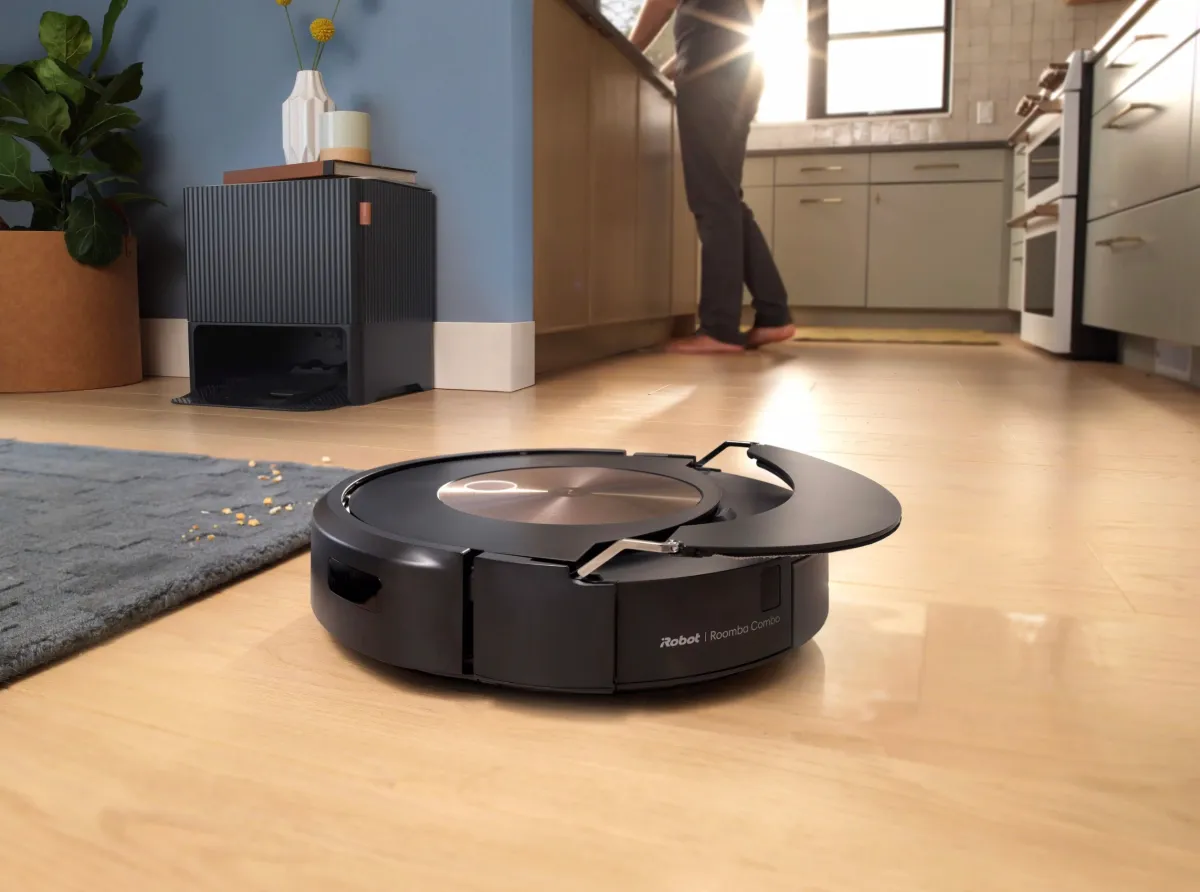
iRobot, the company that brought robotic vacuum cleaning into households across the globe, has filed for Chapter 11 bankruptcy after 35 years in operation. Founded in 1990 by MIT roboticist Rodney Brooks and his students Colin Angle and Helen Greiner, iRobot rose from a humble startup to a household name, primarily known for its flagship product, the Roomba.
Key Updates on iRobot’s Bankruptcy
The bankruptcy filing marks a significant shift for a company that once dominated the smart home market. Initially, the rise of iRobot was nothing short of a technological marvel. The Roomba, released in 2002, not only simplified home cleaning but also became a cultural icon, evolving into a verb. However, the company’s fortunes changed in recent years due to increasing competition and operational challenges.
The Rise and Fall of iRobot
Rodney Brooks, the brains behind iRobot, had spent years studying simple systems in nature. This research laid the foundation for a company that would eventually sell over 50 million robots. With initial investments totaling $38 million, including funds from The Carlyle Group, iRobot went public in 2005, raising $103.2 million. The company’s ambition didn’t stop there; by 2015, it launched its venture arm, planning to invest in upcoming robotics startups.
In 2022, Amazon’s keen interest in iRobot culminated in an acquisition deal worth $1.7 billion. Colin Angle expressed enthusiasm over the potential partnership, perceiving it as a way to innovate even further. However, European regulators blocked the deal, fearing it would stifle competition in the marketplace. The abrupt end of that acquisition marked a turning point, leading to Angle’s resignation and a sharp decline in company shares. Subsequently, iRobot laid off 31% of its workforce.
The Consequences of Bankruptcy
The ongoing decline in iRobot’s earnings started well before the bankruptcy, primarily due to supply chain issues and competition from cheaper alternatives flooding the market. A $200 million financial lifeline from The Carlyle Group in 2023 merely delayed the inevitable collapse.
In a recent release, iRobot announced that Shenzhen PICEA Robotics, their primary supplier, will assume control of the reorganized company. The restructuring plan aims to ensure smooth operations and maintain app functionality, customer programs, and vendor commitments during this transition.
Customer Impact and Future of Roomba
For Roomba users, the future remains uncertain. iRobot has assured customers that they will continue to support existing products through this restructuring phase. Michèle Szynal, an iRobot spokesperson, emphasized that the company prioritizes customer service and will not disrupt existing operations.
Although users might not lose functionality immediately, they could face limitations in the future. Features like app-based scheduling and voice commands may become unavailable if the company’s services deteriorate further. However, basic functions like manual operation will still work.
Conclusion: What Lies Ahead for iRobot?
The chapter closing on iRobot highlights a significant moment in the robotics industry. As smart home technologies continue to evolve, the landscape is increasingly competitive. While the company vows to remain committed to its employees and stakeholders, the uncertainties of bankruptcy loom large. For former customers of iRobot, keeping a close eye on future developments could be essential to ensure continued service for their robotic companions.