AI Revolution: Insights from Keynote Speakers at CES 2026
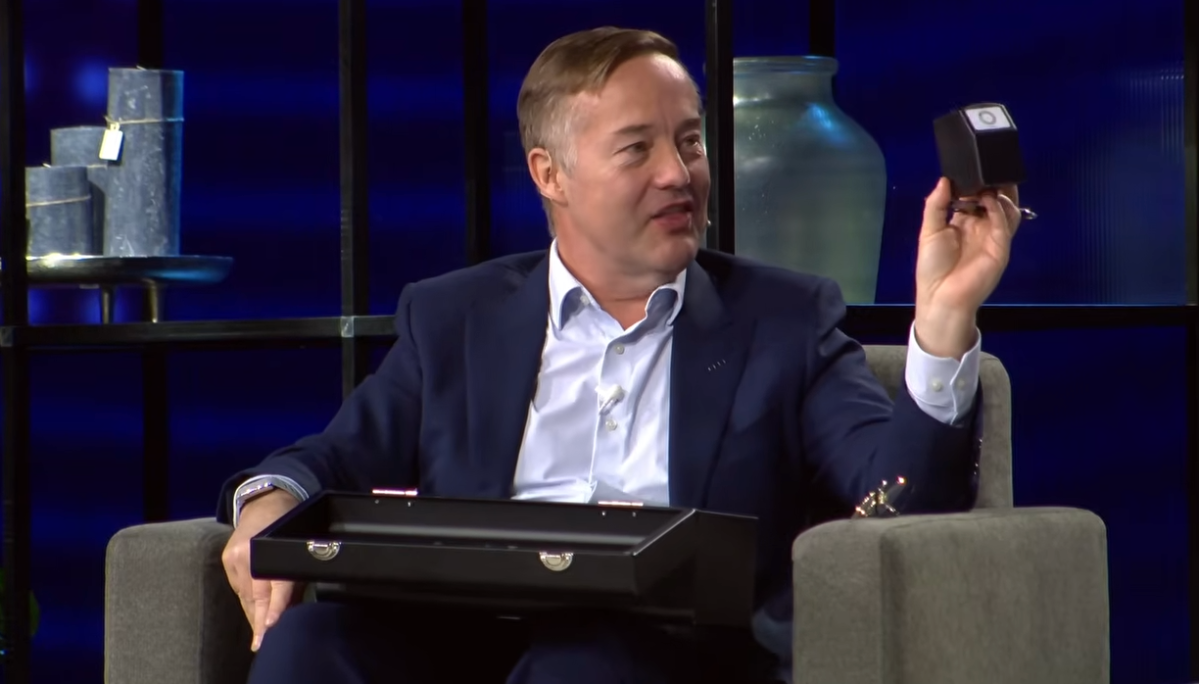
The impact of Artificial Intelligence (AI) on technology has reached unprecedented levels, as emphasized by keynote speakers at CES 2026. During a live taping of the All-In podcast, co-host Jason Calacanis engaged in a compelling discussion with Bob Sternfels, Global Managing Partner of McKinsey & Company, and Hemant Taneja, CEO of General Catalyst. The focus was on how AI is dramatically transforming investment strategies and the workforce.
Rapid Growth of AI Companies
“The world has completely changed,” Taneja remarked, highlighting the extraordinary growth of AI ventures. He noted that whereas Stripe took approximately 12 years to achieve a $100 billion valuation, Anthropic, a fellow portfolio company of General Catalyst, skyrocketed from a $60 billion valuation last year to an impressive “couple hundred billion dollars” this year.
The Rise of Trillion-Dollar Enterprises
Taneja anticipates the emergence of a new wave of trillion-dollar companies. “That’s not a pie-in-the-sky idea with Anthropic, OpenAI, and a few others,” he explained, showcasing the immense potential within the AI sector.
Challenges of AI Adoption
Calacanis delved deeper, questioning what’s fueling this explosive growth. Sternfels from McKinsey indicated that while many companies are experimenting with AI products, a significant number—especially non-tech enterprises—remain hesitant about full-scale adoption. He revealed that a frequent question among CEOs is: “Do I listen to my CFO or my CIO right now?”
This dilemma arises as CFOs, concerned about immediate returns on investment, push for delays in implementation, while CIOs argue passionately for adoption, warning, “we’ll be disrupted” if they don’t embrace AI technologies.
Impact on the Workforce
Another pressing concern is AI’s effect on the job market. Calacanis expressed concern that AI might replace entry-level jobs typically held by recent graduates. He sought advice from Sternfels and Taneja regarding how young individuals can navigate this changing landscape.
Essential Skills for the Future
Sternfels mentioned that, although AI models are capable of executing numerous tasks, qualities such as sound judgment and creativity will be crucial for success in an AI-laden environment. “These are the essential skills humans must cultivate,” he stated.
Taneja further emphasized the importance of continuous education, stating, “Skilling and re-skilling will be a lifelong endeavor.” He remarked that the traditional model of spending 22 years learning to then work for 40 years is fundamentally flawed.
Finding Relevance in a Rapidly Changing World
Calacanis concurred, indicating that it may soon take less time to develop an AI agent than to train a new human employee. “To stand out, you’re going to have to show chutzpah, drive, and passion,” he advised.
McKinsey’s Vision of the Future
Sternfels painted a picture of the future at McKinsey, anticipating that by the end of 2026, the firm will have as many personalized AI agents as employees. However, he clarified that this shift in workforce composition won’t necessarily mean fewer jobs; instead, they plan to boost client-facing employee roles by 25% while simultaneously reducing back-office positions by the same percentage.
Conclusion: Embracing the AI Future
The discussions at CES 2026 make it clear: as AI continues to reshape industries, adapting and evolving will be crucial for individuals and organizations alike. To thrive in this new landscape, embracing lifelong learning and focusing on uniquely human skills will be more important than ever.