US Government Bans New Foreign-Made Drones Amid Security Concerns
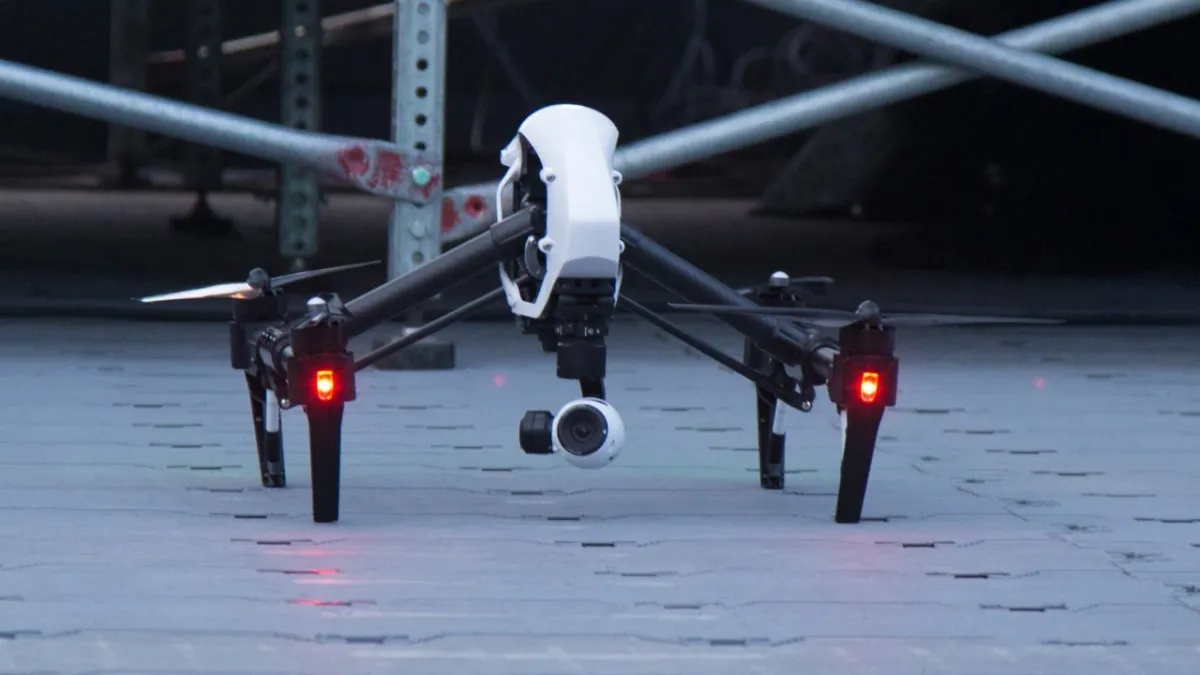
In a significant move on Monday, the Federal Communications Commission (FCC) under the Trump administration announced a ban on all new foreign-made drone models from entering the United States. The decision, citing “national security concerns,” means that while existing owners of older foreign drones can continue to use their devices, no new imports will be permitted.
Key Updates on the Drone Ban
The FCC released a fact sheet explaining its rationale, warning that “criminals, hostile foreign actors, and terrorists” could exploit drones to pose serious threats to U.S. security. Consequently, the agency has updated its Covered List to classify all unmanned aerial systems (UAS) and critical components from abroad as presenting an unacceptable risk.
Support from FCC Leadership
Brendan Carr, chairman of the FCC, expressed strong support for the decision, stating: “I welcome this Executive Branch national security determination. I am pleased that the FCC has added foreign drones and related components, which pose an unacceptable national security risk, to the FCC’s Covered List.” He further emphasized the commitment to strengthen U.S. drone manufacturing, aiming for American dominance in the market.
Impact on Drone Industry
This new regulation is poised to affect various companies, particularly targeting the Chinese drone manufacturer DJI, which currently reigns as a leading player in global drone sales and enjoys popularity among American consumers. With this ban, the market dynamics are likely to shift significantly.
DJI’s Response to the Ban
In response to the FCC’s decision, DJI expressed disappointment, stating, “DJI is disappointed by the Federal Communications Commission’s action today to add foreign-made drones to the Covered List.” The company noted the lack of information regarding the criteria used by the Executive Branch to arrive at this decision.
Despite the setback, DJI reaffirmed its commitment to the U.S. market, advocating for an open and competitive environment that benefits all users. With years of safety reviews conducted by U.S. government agencies and independent bodies, DJI maintains that its products are among the safest available.
Trump Administration’s Broader Strategy
The groundwork for this drone ban was laid earlier this year, in June, when the Trump administration issued an executive order aimed at boosting domestic drone production and enhancing security of the supply chain against foreign influence. This approach reflects a broader strategy employed by Trump during his tenure to challenge Chinese firms and bolster American companies.
Looking Ahead: What’s Next?
The implications of this ban are significant, not just for larger manufacturers like DJI but also for smaller companies that rely on foreign drone technology. As the U.S. shifts toward a more self-reliant drone market, stakeholders will be watching closely to see how this plays out in terms of innovation, security, and consumer choice.
This drone policy amplifies ongoing conversations about national security, technology, and international commerce. For more updates on technology and policy developments, visit our blog at Axom Live.