
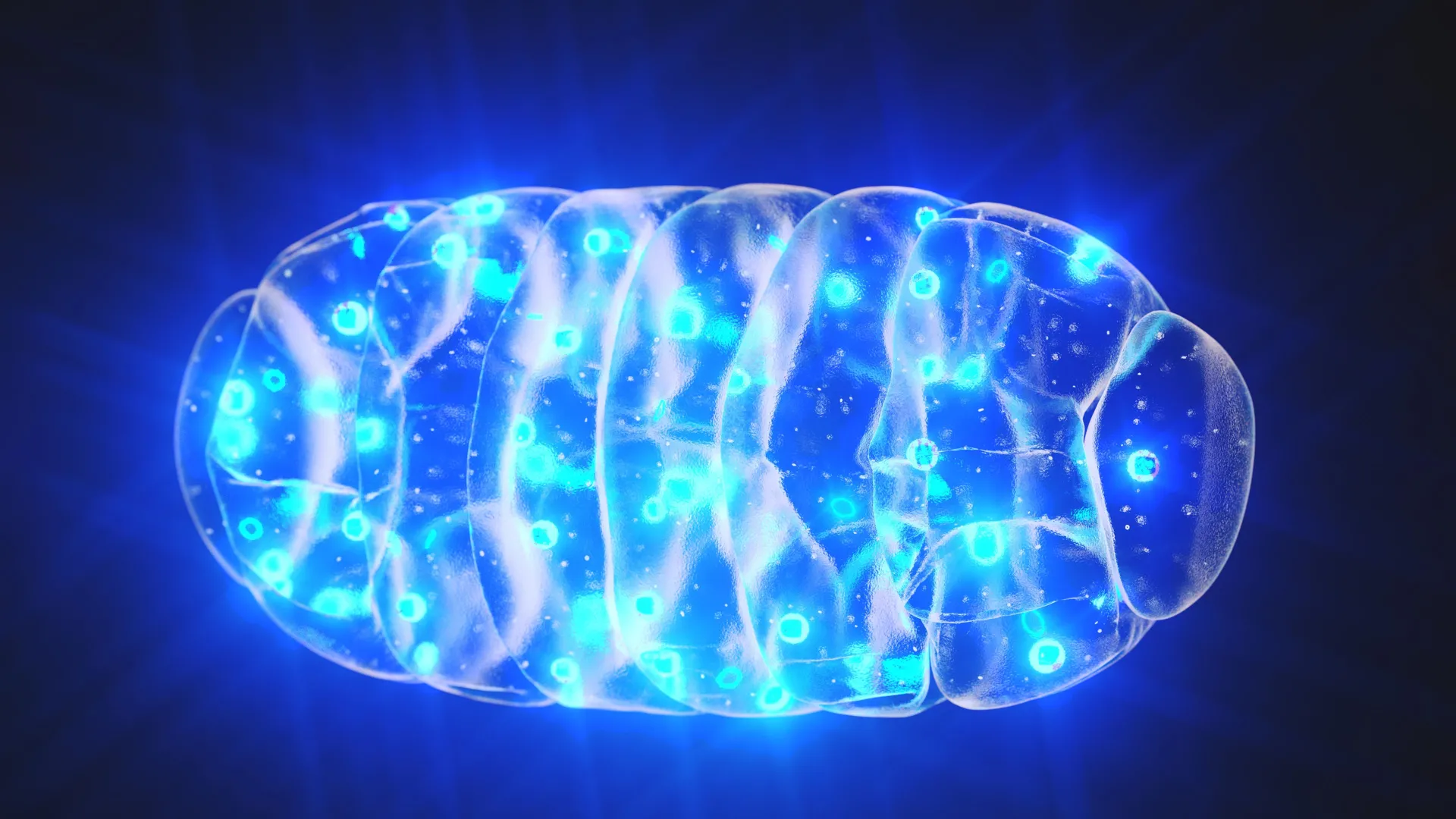
Ludwig Maximilian University of Munich (LMU) researchers have made a significant discovery regarding ribosomes—often known as the cell’s protein-building machinery. These essential components not only construct proteins by translating genetic information from mRNA but also play a key role in detecting cellular stress. An international team led by Professor Roland Beckmann at LMU’s Gene Center Munich has detailed the mechanisms through which ribosomes signal distress within a cell, a breakthrough published in the esteemed journal Nature.
Ribosomes are central to protein synthesis, interpreting mRNA to assemble amino acids into proteins. However, their function extends far beyond mere protein production. When a cell faces stress, such as a lack of amino acids, damaged mRNA, or viral infections, the normal process of translation can be disrupted. This disruption may result in ribosomes stalling or colliding with one another, setting off a cascade of events known as the ribotoxic stress response (RSR). This response not only aims to repair the damage but can also lead to programmed cell death if the damage is too severe.
The Critical Role of ZAK in Stress Signaling
At the heart of the stress response is a protein named ZAK, a kinase responsible for activating other molecules within the cell by transferring phosphate groups. Previously, the mechanism through which ZAK detects ribosome collisions and activates stress-responsive signaling pathways was not well understood. Through a combination of biochemical experiments and cryo-electron microscopy, this research team uncovered that ribosome collisions act as the primary signal for ZAK activation.
The researchers demonstrated how ZAK interacts with ribosomes during these collisions. They identified specific ribosomal proteins that bind to ZAK, triggering the formation of dimers—pairs of ZAK proteins—which initiate a signaling cascade within the cell. This discovery sheds light on the intricate dance between ribosomes and ZAK, emphasizing the complexity of cellular responses to stress.
The Implications of Understanding Ribosome Stress Responses
Understanding how ZAK responds to ribosomal stress is vital for several reasons. According to Professor Beckmann, ZAK acts at one of the earliest stages of the stress response, providing insights into how cells rapidly detect and react to disturbances. This knowledge could facilitate advancements in understanding ribosomal quality control and the coordination of immune responses, making it a crucial area of study.
Moreover, abnormal activity of ZAK has been linked to various inflammatory diseases and persistent ribosomal stress conditions. Thus, the findings of this study not only advance our knowledge of eukaryotic stress biology but also spotlight potential therapeutic targets for medical intervention. Beckmann emphasizes that the translation machinery functions as a surveillance platform, proactively initiating stress signals based on ribosomal behavior.
Broader Context and Future Directions
The understanding of ribosome-related stress responses is pivotal in several fields, including biotechnology and medicine. By deciphering the mechanisms of ribotoxic stress and how cells detect and respond to it, researchers may unravel new pathways for therapeutic strategies against diseases linked to ribosomal dysfunction. The interplay between ribosomes, ZAK, and cellular stress opens avenues for further exploration in basic and applied biological research.
In conclusion, the recent findings from LMU researchers illuminate essential aspects of ribosomal functioning and stress signaling. As we continue to decipher the complexities of cellular responses, these insights hold promise for improving our understanding of numerous diseases and enhancing therapeutic approaches in medicine.