AI Guardrails: Balancing Security and Accessibility
For months, major AI companies have tightened their grip on their innovative models, implementing strict guardrails to prevent misuse by hackers. However, these restrictions are now posing challenges for legitimate cybersecurity professionals and researchers in offensive cybersecurity roles.
Recent Developments
In June, the U.S. government imposed export controls on Anthropic’s AI models, Mythos and Fable, following reports that suggested potential vulnerabilities in their guardrails. This decision highlighted concerns that the models could be exploited to execute malicious cyberattacks.
Context of Guardrails
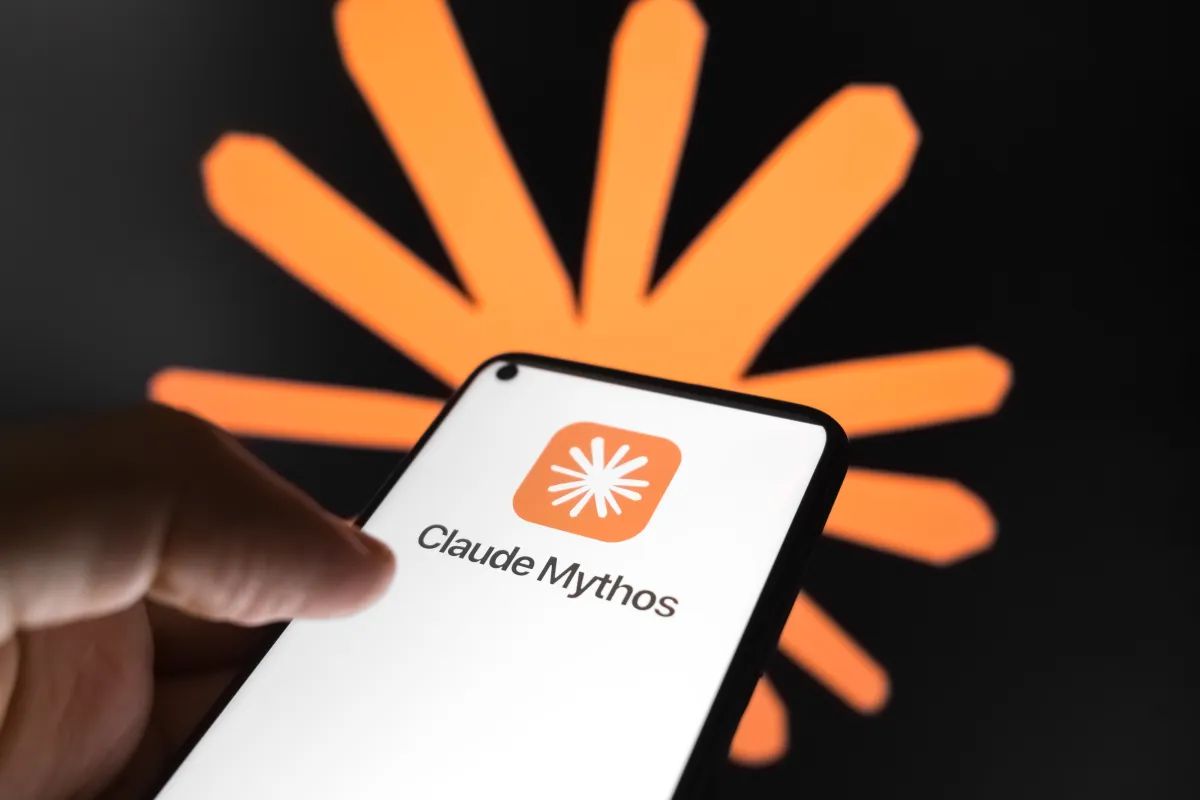
While fears of bypassing these guardrails spurred government action, it’s essential to note that Anthropic has previously marketed Mythos as a sophisticated cybersecurity tool, available only to select vetted users. Though the restrictions on Fable 5 and Mythos 5 have since been lifted, access remains tightly controlled, available solely to pre-approved U.S. organizations.
The Debate Over Guardrails
This gatekeeping is not just limited to Anthropic. Both Anthropic and OpenAI have introduced programs like OpenAI’s Trusted Access for Cyber and Anthropic’s Cyber Verification Program, aimed at granting vetted access to models with fewer restrictions. Despite these efforts, many researchers argue that such guardrails complicate their work.
During a recent cybersecurity podcast, expert Mark Dowd expressed discomfort with large companies making unilateral decisions about security practices. Dowd, who has a history of selling “zero-days”—previously unknown vulnerabilities—to governments, struck a chord with many in the offensive cybersecurity field.
Challenges for Cybersecurity Experts
Chris Anley, the chief scientist at NCC Group, emphasized that testing AI models for potential bugs is vital for confirming vulnerabilities. However, excessive guardrails can impede that process, as models may refuse to engage with valid inquiries. “This tool can serve both offensive and defensive purposes, and one cannot be disconnected from the other,” he noted.
When faced with restrictions, some researchers revert to open-source AI models, which do not impose such limits. Paolo Stagno, Crowdfense’s CTO, criticized the approach of AI companies, stating that the guardrails treat researchers “like children who need babysitting.” He prefers using local open-source AI for sensitive tasks to protect confidentiality.
Diverse Perspectives Among Researchers
Giuseppe Cali, a researcher who focuses on developing exploits, mentioned that guardrails do not hinder his work, as he employs AI primarily for reverse engineering rather than offensive actions. He values his independence in discovering vulnerabilities, expressing pride in the challenges of the task.
On the other hand, an anonymous researcher from a smartphone-component manufacturer reported that the strict guardrails restricted their ability to find vulnerabilities, highlighting a growing frustration among cybersecurity professionals regarding the limitations that come with vetted programs.
User Experience of Guardrails
Chris Thompson, CEO of RemoteThreat, shared his insights on inconsistencies within the guardrails, noting that they often hinder researchers from working effectively. He warned that excessive control may push responsible researchers towards foreign, unrestricted AI models, thus undermining U.S. cybersecurity efforts.
Moving Forward
Thompson advocates for a call to action that encourages AI labs to increase accessibility to their models while holding users accountable for misuse. He believes that as cybersecurity threats evolve, so too must the resources available to those defending against them. “A massive wave of attacks is imminent, and stifling legitimate researchers will only worsen the situation,” he warned.
In summary, finding the right balance between security and accessibility is crucial for the future of cybersecurity. If AI models remain overly restricted, it could hinder real progress in defending against evolving cyber threats.