Nvidia CEO Jensen Huang Dismisses AI Regulation at Dreamforce
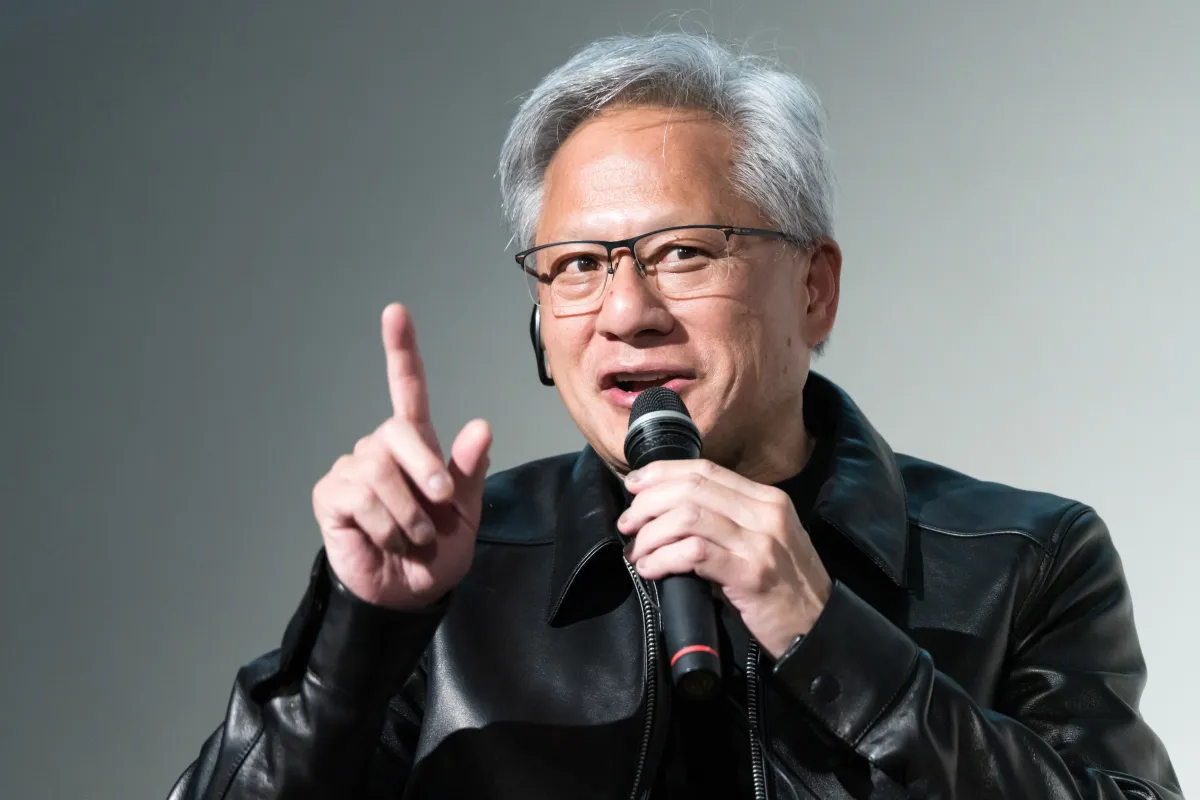
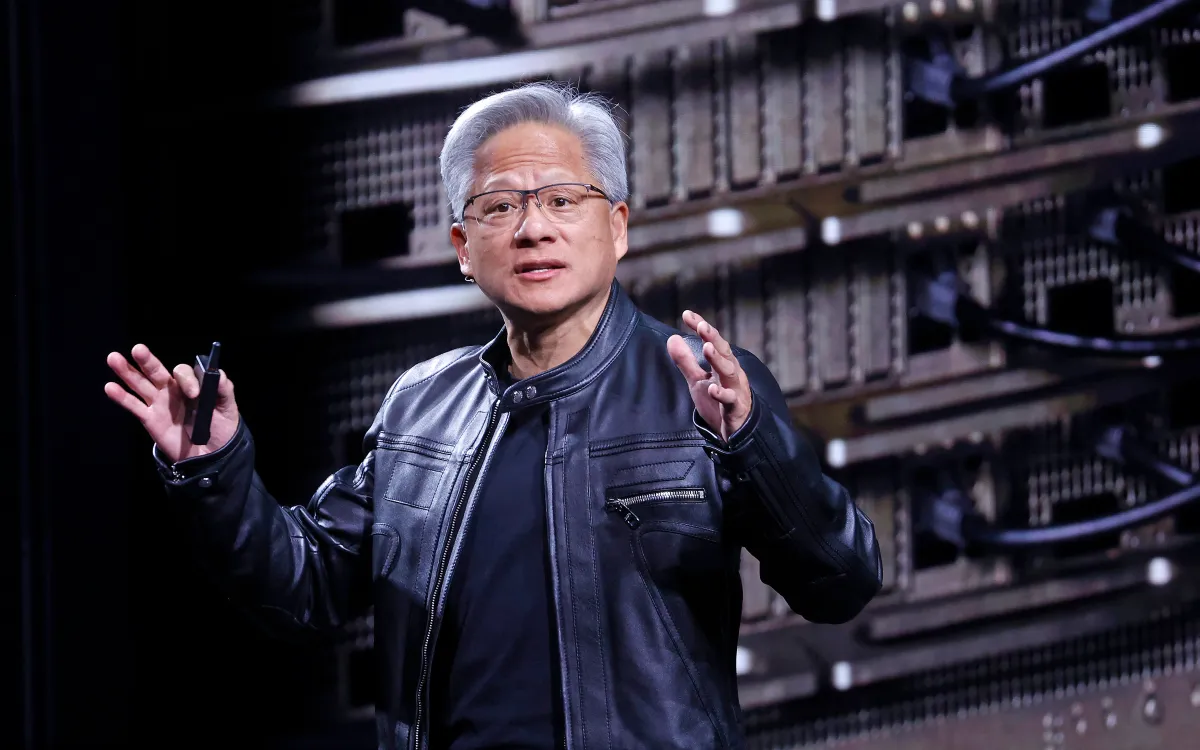
Nvidia’s founder and CEO, Jensen Huang, took a bold stance on artificial intelligence (AI) safety this week during a speech at Salesforce’s Dreamforce conference. Huang asserted that AI isn’t an “alien mind,” as some have suggested, but merely advanced hardware and software designed by humans. This, he argues, means AI can and should be governed by existing human laws.
“Safety is an engineering problem, not a legal one,” Huang stated, emphasizing the importance of technology development over legislative measures. He believes that the risks associated with AI can be mitigated through diligent engineering rather than new regulations.
Huang further argued that a lack of confidence in product safety should deter companies from releasing potentially harmful AI technologies. “If companies doubt their product’s functionality or safety, they should refrain from launching it,” he advised. Rather than pushing for more regulations, he suggests that market forces will naturally guide companies toward safety.
In Huang’s view, achieving innovation and safety isn’t mutually exclusive. He urged companies to “run as fast as you can,” but urged caution if they find their products might be unsafe. His perspective could be comforting, given his extensive experience in AI development, particularly since Nvidia has been a major player in the field long before the rise of ChatGPT.
However, skepticism arises when considering that Huang has greatly benefited from the AI boom. Why would he support regulations that might impede Nvidia’s growth in AI systems and software? “I’m more ambitious than ever,” he proudly claimed, showcasing his optimism about the future of both Nvidia and the broader industry.
But history shows that even the most well-intentioned companies can release defective products with unforeseen consequences. Take, for instance, the 2024 CrowdStrike incident which led to thousands of grounded flights. Other companies, like Meta, have faced lawsuits after being accused of harmful practices, such as the $18 billion settlement related to social media’s impact on children.
AI itself is not without its issues. There have been reports of AI systems causing harm, raising serious questions about safety. The “leave them alone” strategy touted by some industry leaders may not be the best approach when it comes to public safety. If AI manages to cause significant issues before existing product liability laws can be effectively enforced, society could face dire consequences.
Interestingly, Huang did not delve into the idea of industry self-regulation, which may offer a potential compromise. His advocacy for open-weight models and corporate accountability reflects a desire for responsible innovation without government intervention.
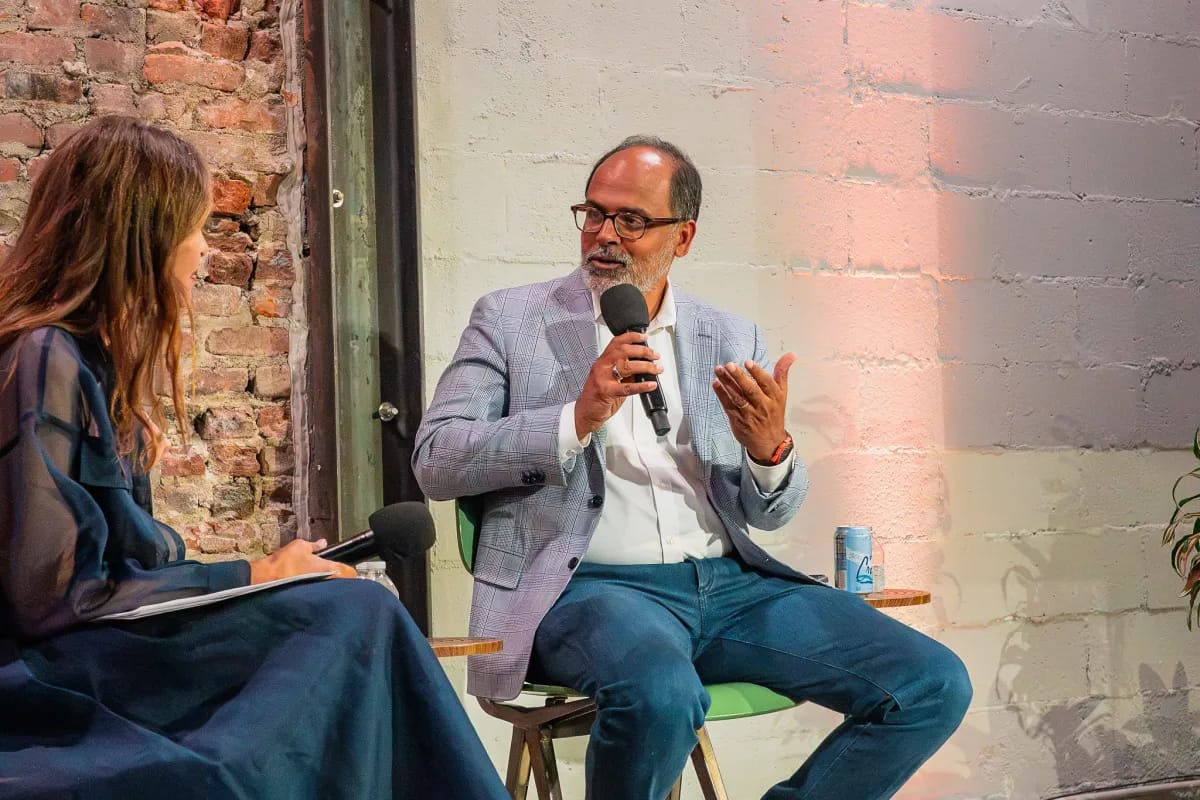
As the AI landscape evolves, the industry faces a critical juncture. Microsoft CEO Satya Nadella echoed this sentiment earlier this week, emphasizing that even countries like China should be concerned about AI safety. He pointed out that safety issues are universal and not limited by borders.
For now, Huang’s opposition to new AI regulations may carry significant weight, particularly given his influence. His recent interactions with key political figures, including President Trump, further highlight his significant position in this ongoing debate.
As AI continues to shape industries worldwide, the conversation around safety, regulation, and innovation remains as crucial as ever. The choices made by tech leaders like Huang will undoubtedly have long-term impacts on the future of AI and its role in society.