Breaking Ground: How AI and Data Centers Are Shaping the Midterm Election Landscape
As the midterm elections draw near, discussions surrounding artificial intelligence (AI) and data centers are taking center stage. Last Thursday, an event hosted by Newsreel in Brooklyn shed light on this pressing issue, featuring panel discussions and key speakers from the tech and political realms.
In-Depth Coverage of the Event
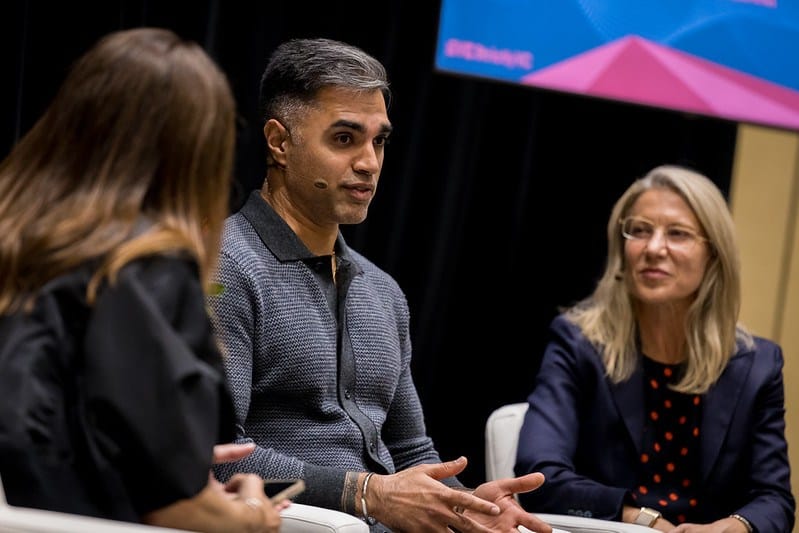
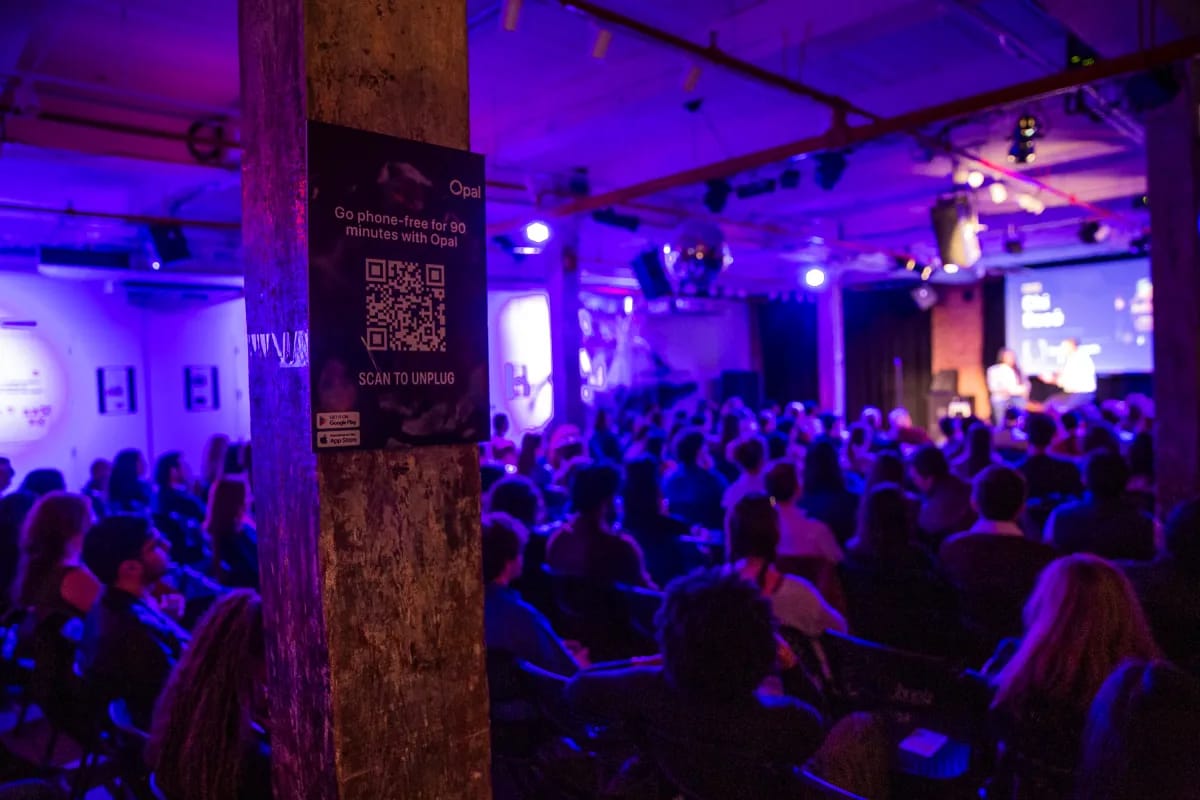
The event, organized by former Forbes and Newsweek reporter Jack Brewster, aimed to encourage attendees to “put their phones away and talk to each other about the election, five days out.” However, conversations quickly turned to the intense subject of AI and the growing concerns around data centers—a topic that has become a key issue for voters.
Notably, Kenneth Schlenker, co-founder of the focus app Opal, delivered a fireside chat focused on “the state of attention,” while Aryan Banjan, creator of the campaign management software Barza, provided a midterm forecast. Brewster emphasized the urgency of these discussions, citing that the tech industry has increasingly alienated those outside its bubble.
The Diverging Perspectives: Tech vs. Community
As a tech reporter, I’ve noticed a widening gap between the optimistic views of technologists and the fears of those in affected communities. Issues surrounding AI and data centers are no longer confined to industry talk; they are now vital topics for voters deciding on key midterm races.
A recent report from Data Center Watch highlighted that nearly $200 billion in data center projects were delayed or blocked due to political and community pushback. States such as Pennsylvania, Georgia, and Virginia are considering new regulations to ensure transparency regarding these developments. Virginia, often dubbed the “data center capital of the world,” has plans for hundreds of new data centers, raising concerns about community impact and environmental implications.
Voices from the Frontlines
During a pivotal fireside chat, New York City Council member Chi Ossé voiced his concerns about the tech industry, advocating for accountability among its leaders. He believes that individuals like Elon Musk should face greater tax scrutiny. As the evening unfolded, I moderated a panel discussion on the implications of data centers, featuring experts in technology and public health.
Curious to gauge audience sentiment, I asked, “Who here is pro-AI data center?” The response was a cacophony of boos. Many attendees expressed frustration, indicating that big tech companies appear to be negotiating lucrative deals with local officials without adequate community input. As zoning laws lack clarity, residents often feel powerless to voice opposition until it’s too late.
The Broader Impact of Tech on Communities
Amid discussions about data centers, many attendees were also grappling with economic challenges and the mounting pressure of the cost of living. They worry that tech leaders are discussing job displacement through AI while overlooking the human cost involved. The anxiety surrounding data centers symbolizes a larger discontent with the tech elite and the rapid pace of innovation.
During the panel, Hilary Flint, an environmental advocate, questioned the value of lives against the temporary economic benefits that data centers might bring. “People value their lives a little more than a temporary check,” she asserted, summarizing the community’s stance.
Conversations on the Future
The discussion didn’t end with the panel. A subsequent panel featured political strategist Morris Katz and NewsNation host Batya Ungar-Sargon. Interestingly, discussions again veered toward data centers—suggesting that this topic resonates deeply across political lines.
Despite some labor unions backing data centers for job creation, the longevity and sustainability of those jobs remain uncertain. Ungar-Sargon pointed out that Rust Belt communities once took pride in their factories, which now represent lost opportunities.
AI as an Election Issue
The dynamics were further complicated by growing fears surrounding AI in rural areas, where it is perceived as a threat to livelihoods, contrasting sharply with urban concerns about wealth concentration and tech influence. Brewster noted that AI has become a significant election issue, as many grapple with concerns about losing control over local economies.
As the evening wound down and discussions shifted to more casual topics, I encountered various perspectives on technology’s role in our lives. Attendees chimed in with what surprised them most about tech this year. Many mentioned the rise of deepfake technology and AI-generated art, indicating a broader awareness of how technology impacts culture and perception.
Conclusion: A Call for Community Engagement
The conversations at this event highlighted the urgent need for dialogue not just within tech circles but with local communities. As the midterm elections approach, issues like AI and data centers will likely shape voters’ choices. Moving forward, it’s essential for all parties to engage constructively and consider the broader implications of technology in our lives.