
Venture Capitalists See Green Amid Turbulent Times
The landscape of venture capital is changing rapidly, as limited partners (LPs)—the key investors behind venture firms—find themselves in a unique and exciting situation. With growing valuations of major players like OpenAI and Anthropic, many LPs are navigating uncharted waters that could lead to significant profits.
High Stakes in a Fast-Moving Market
Traditionally, LPs diversify their investments through a variety of firms, balancing their portfolios by investing in both emerging managers and established players. The goal has always been to optimize returns while minimizing risk. However, the current landscape has challenged this norm. With OpenAI and Anthropic’s valuations skyrocketing, many investors have begun to cluster their investments in these two firms, often within the same venture capital fund, defying conventional wisdom that advises against conflicts of interest.
Insights from Industry Experts
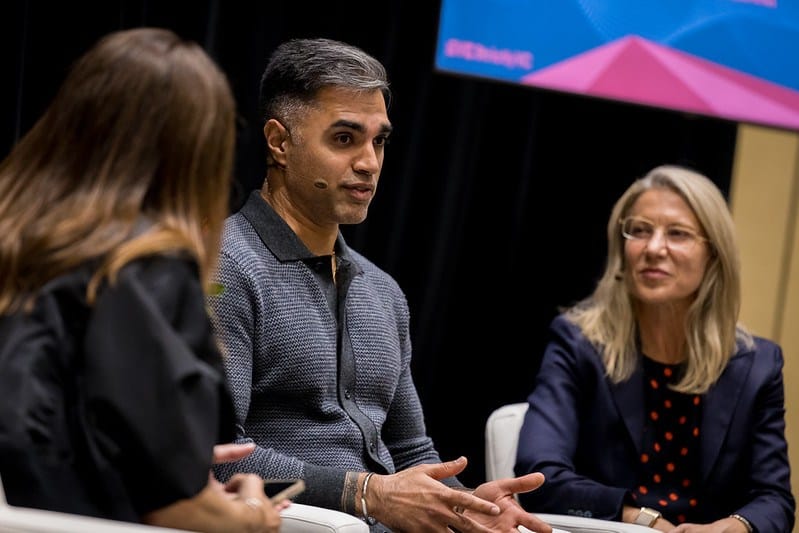
Recent conversations with industry experts, Beezer Clarkson from LGT Capital Partners and Amit Bhatti from TrueBridge, reveal both excitement and caution. Clarkson expressed enthusiasm for the dynamic changes in venture, stating, “There’s a lot of change and a lot of variables at play.” For him, having spent decades in venture capital, the chaos has become part of the thrill.
Conversely, Bhatti pointed out that the increasing focus on venture capital, particularly in AI, feels like a defining moment. “This feels like our moment more than it is like, ‘Oh gosh, what’s going to happen?’” he remarked. This situation brings both momentum and risk, especially as VCs swiftly return to raise new funds—a trend that raises eyebrows among LPs.
The Risks of Concentration
With many funds now holding substantial stakes in companies like OpenAI and Anthropic, LPs grapple with the implications of this concentration. Bhatti believes that such consolidation is characteristic of venture capital’s power law dynamic, suggesting that it signals a healthy prioritization of promising investments. However, the speed at which this consolidation has occurred is unprecedented, and both experts agree that it warrants careful monitoring.
Changing Investment Cycles
The pacing of fund investments is evolving as well. Traditionally, investment cycles spanned two to three years, but some funds are now moving at an accelerated pace of 12 to 18 months. Clarkson noted the risks of this rapid cycle, suggesting that while it can lead to timely gains, it also raises concerns about the sustainability of those investments.
Secondaries and Employee Liquidity
Another topic of discussion was the increasing prevalence of secondary market transactions in venture capital. Clarkson observed that these transactions are becoming more common and are crucial for maintaining liquidity within the ecosystem. Bhatti added that the option for employees to sell portions of their stakes can be beneficial but should be used judiciously to maintain long-term commitment.
The Future of Founders and Investment Trends
As companies like OpenAI transition into public entities, there is speculation about how employees might evolve into new venture capitalists. Clarkson noted that past trends have shown employees from successful startups can become LPs, further enriching the ecosystem. However, the challenges posed by high living costs in regions like San Francisco may deter new entrepreneurs from entering the fray.
Emerging Managers Find Their Place
Despite the challenges faced by emerging venture funds, experts like Clarkson and Bhatti affirm that opportunities still exist. Smaller funds specializing in niche markets continue to find backing, albeit at reduced levels. Yet, innovative managers are increasingly building their track records and proving their investment theses.
Conclusion: Navigating the New Normal
As the venture capital landscape continues to evolve, both excitement and caution pervade the discourse among LPs and VCs. The combined forces of rapidly growing valuations and swift investment cycles are reshaping traditional practices, and the potential for both setbacks and significant gains remains high. Investors and fund managers alike are left to navigate this exciting yet uncertain environment, adjusting their strategies as they seek to maximize returns in a shifting market.
For more insights into the evolving venture capital landscape and effective investment strategies, visit Axom Live.