
Figma Unveils Game-Changing Markdown Editor at India Event
Figma, the popular design platform, has recently launched an innovative Markdown-based editor, aiming to redefine how companies establish and maintain their design systems. This announcement was made during the company’s inaugural Config event in India, where Figma also showcased its commitment to integrating design and code libraries, alongside the Payload headless content management system.
Revolutionizing Design Language with Figma Specs
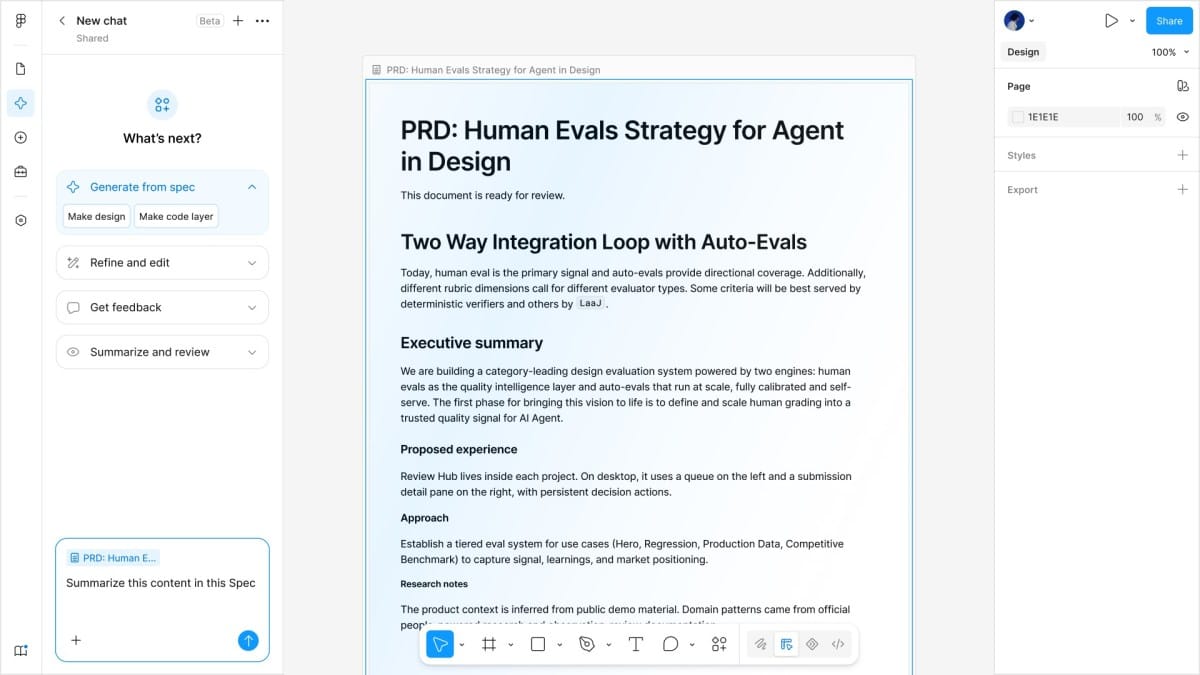
The standout feature introduced is called Figma Specs, a Markdown editor that simplifies the process of defining a brand’s design language. This new tool not only serves as a reference for design teams but can also exist as a standalone file within Figma or as part of the design canvas. Users have the capability to reference various Figma elements, embedding FigJam diagrams, code layers, and designs seamlessly.
Enhanced Contextual Design Management
Moreover, teams can now incorporate additional context into their design work by integrating design libraries, code libraries, and comprehensive guidelines. This centralized approach ensures that all team members and third-party agents are aligned with a brand’s design rules, facilitating a more consistent output in the design process.
Expanding AI Functionality on the Canvas
In a significant update, Figma has broadened the access to its agent on canvas, which utilizes AI to create more stable design outputs. Acknowledging the unpredictable nature of AI, the platform is launching tools to drive more reliable outcomes for users.
Introducing Code Layers for Interactive Prototypes
Earlier this week, Figma revealed its code layers feature, designed to infuse coding into designs for richer, interactive prototypes. Following a successful private beta rollout in June, this functionality is now in public beta, allowing more users to experiment with turning their designs into live code or iterating on code sections to enhance prototypes.
Expert Insights on AI’s Impact on Design
According to Figma’s Chief Design Officer, Loredana Crisan, the platform has become the epicenter for software teams to decide their next steps in building and shipping products. With advancements in AI, there has been a remarkable increase in code production—17 times more than previous years—yet the number of product releases has only increased by 1.3 times. This trend underscores the pivotal role of design in the product development lifecycle.
Supporting New Tools for Comprehensive Workflow
Figma also announced support for over 20 new tools through its MCP, including Open Code, Dia, Grok Bot, and the Indian AI startup Sarvam, enhancing the overall user experience and integration capabilities.
Strengthening the CMS Integration
Following last year’s acquisition of open-source headless CMS Payload, Figma is now integrating it with the Figma Make product for streamlined management of dynamic websites and content creation. The impact of this integration is already visible, with Payload’s downloads reportedly increasing sixfold over the past year.
Figma’s Growing Presence in India
Figma has recently expanded its physical footprint in India by establishing its first office in the country, focusing on sales, partnerships, and product support. Impressively, India has emerged as Figma’s largest user market outside the United States, with the platform currently collaborating with 40% of the top 100 companies listed on the Bombay Stock Exchange.
Final Thoughts
The launch of Figma’s new features marks a significant step forward in making design more accessible and cohesive for teams around the globe. By bridging the gap between design and development, Figma is paving the way for a more streamlined and efficient creative process. Keep an eye on Figma as it continues to innovate in the design space.
When you purchase through links in our articles, we may earn a small commission. This doesn’t affect our editorial independence.