
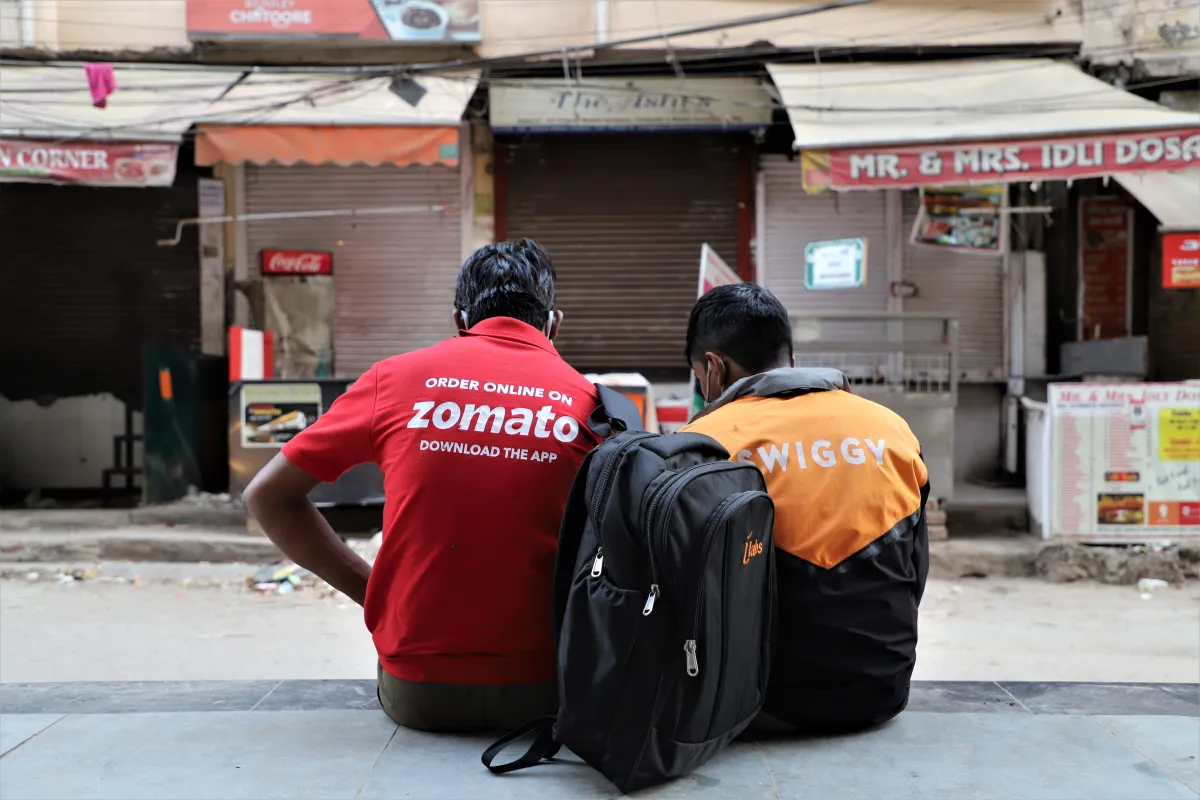
India Extends Legal Protections to Gig Workers Amid Ambiguities
India has taken a significant step by granting legal recognition to millions of gig and platform workers through new labor laws. This move aims to better support the nation’s growing delivery, ride-hailing, and e-commerce workforce. However, critical questions about the specifics of these benefits and the platforms’ obligations persist.
New Labor Laws in Action
The recognition of gig workers is part of the Code on Social Security, which came into effect after over five years of parliamentary discussions. This code is unique as it specifically addresses gig and platform workers while the other three new labor laws focus on wages, industrial relations, and workplace safety without extending vital protections to this rapidly expanding workforce.
Growing Gig Economy in India
India boasts one of the largest and fastest-growing gig economies globally, with estimates suggesting over 12 million individuals engaged in professions like food delivery, ride-hailing, and e-commerce. This sector has become crucial for employment, particularly for young and migrant workers often excluded from formal job markets. As companies expand their logistics and delivery services, the gig economy is only expected to grow.
Corporate Reactions and Ongoing Uncertainties
Major companies like Amazon, Flipkart, Swiggy, and Uber rely heavily on gig workers for their operations in India, the second-largest internet market after China. Despite their contributions, most gig workers lack traditional labor protections and have limited access to social security. The newly implemented labor laws seek to change this by mandating that aggregators contribute 1-2% of their annual revenue (with a cap of 5% of payments to gig workers) to a government-managed social security fund. Yet, the details surrounding the offered benefits and how they will be accessed remain unclear.
Framework for Social Security Created
The Code on Social Security establishes a framework enabling gig workers to receive benefits such as Employees’ State Insurance, provident funds, and government-supported insurance. However, the effectiveness of these benefits will hinge on future notifications and rules, leaving many questions unanswered.
Implementation Challenges Ahead
A critical aspect of the new framework is the formation of Social Security Boards at both central and state levels, tasked with developing and overseeing welfare schemes for gig workers. Each board will include representatives from gig and platform workers and aggregators, but the actual impact and representation of these workers remain uncertain. Concerns surround how decisions will be made and who will control funding and benefits delivery.
State Governments’ Role in Implementation
Balaji Parthasarathy, a professor at IIIT Bangalore, emphasized the need for monitoring the government’s intentions regarding the implementation of these codes. Labor policy in India is jointly managed by federal and state governments, meaning states will play a key role in designing and enforcing the necessary frameworks for gig workers. This dual approach raises the potential for inconsistent access to benefits across different regions.
Industry Perspectives on the New Laws
While platform companies have welcomed the reform, they are still assessing its implications. An Amazon India spokesperson stated their support for the government’s labor overhaul and mentioned that they are evaluating the necessary changes to comply. Zomato, which has revamped itself as Eternal, also expressed positivity about clearer labor laws.
Gig Workers Face Registration Hurdles
A significant challenge for gig workers seeking to benefit from the new laws is an effective registration process on the Indian E-Shram portal. This national database, introduced in 2021 for unorganized workers, has registered over 300,000 platform workers. Trade unions, like the Indian Federation of App-Based Transport Workers (IFAT), are making efforts to assist workers with the enrollment process to access benefits.
Demanding Fair Wages Beyond Social Security
Many gig workers, however, stress the need for compensation-related issues to be addressed first, such as fluctuating earnings and the risk of account suspensions. Shaik Salauddin, president of the Telangana Gig and Platform Workers Union, pointed out the necessity for minimum wage and clearer employer-employee relationships—issues not tackled by the latest legislation.
Global Context and Worker Rights Debates
The discourse around gig worker classification varies globally, with some countries recognizing them as employees entitled to minimum wage and benefits. The new Indian labor laws, however, categorize gig workers separately, foregoing additional employee-related protections. As such, the legal landscape for gig workers in India remains complex and evolving.
Moving Forward with Caution
As India navigates these new labor laws, the real impact on gig workers’ rights and livelihoods will become clearer in the coming months. While the law indicates progress in addressing their needs, the reliance on state implementation and ongoing uncertainties suggests that many challenges lie ahead.
For more updates on labor laws and their implications in India, stay tuned to AxomLive.