
New California Law Demands Accountability from Autonomous Vehicle Companies
In a significant move aimed at ensuring public safety, California has introduced a groundbreaking law requiring autonomous vehicle (AV) companies to provide immediate on-the-ground support during emergencies. This comes in the wake of various incidents where robotaxis, including those operated by major players like Tesla, Waymo, and Zoox, disrupted emergency services.
Key Updates: What the Law Entails
Signed by Governor Gavin Newsom, Senate Bill 1246 introduces strict regulations for AVs as a response to concerns about their operations in tight situations. Under this new legislation, AV companies must ensure that their vehicles do not obstruct police or firefighters for more than 30 minutes or face penalties. Furthermore, companies are now mandated to supply local incident technicians to assist during AV-related accidents and breakdowns, which aim to enhance emergency response times significantly.
Background: Previous Incidents Spark Concerns
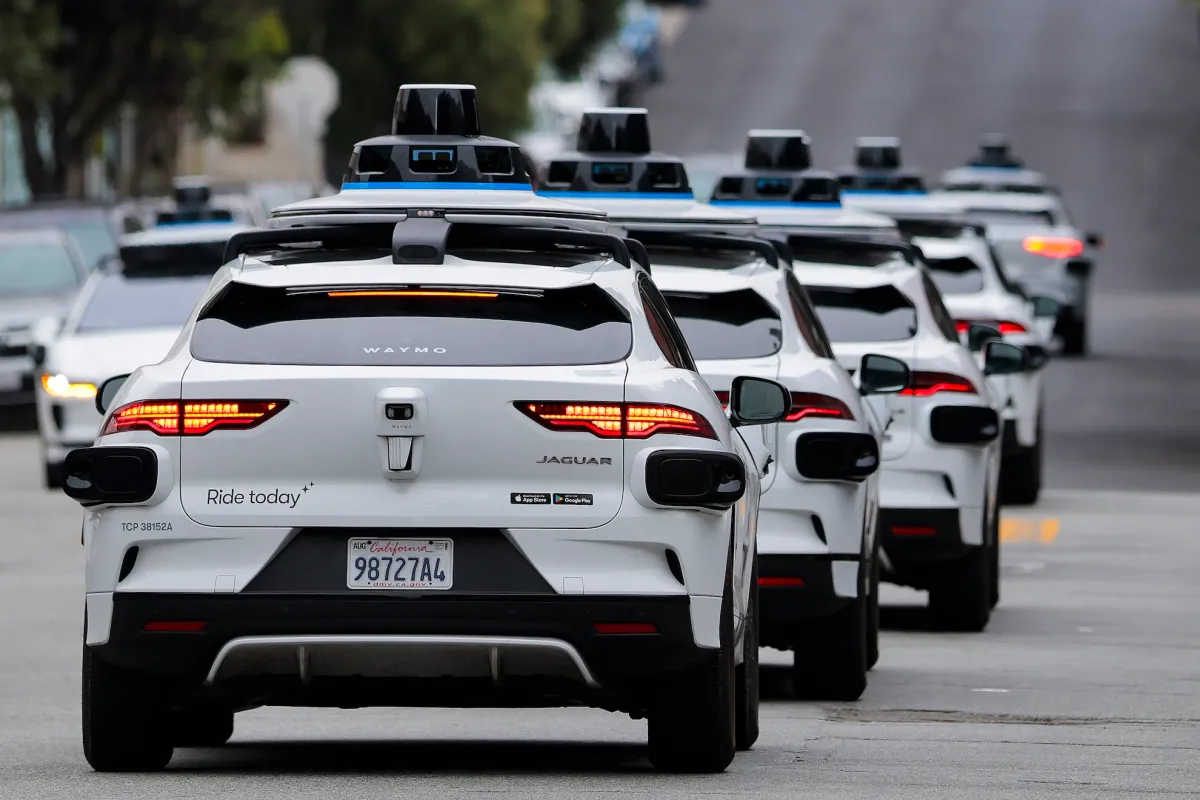
The necessity for this law was underscored by a series of troublesome incidents. Automated taxis have previously caused traffic disruptions, accidentally entered active crime scenes, and impeded emergency responders. Of these occurrences, Waymo—one of the U.S.’s largest robotaxi operators with around 4,000 vehicles—was notably at the center of attention. Reports have indicated that Waymo needed the assistance of human firefighters to manually operate their vehicles during technical issues.
Government Responses to Industry Concerns
This spate of malfunctions catalyzed calls for stricter regulations both at the state and federal levels. The National Highway Traffic Safety Administration (NHTSA) has also joined the dialogue, urging AV developers to formulate effective solutions for those emergencies. The enactment of California’s legislation aims to provide a clear framework that holds AV companies accountable for their services.
Legislative Insights and Additional Requirements
State Senator Dave Cortese, the bill’s sponsor, emphasized the importance of this law, stating: “California has embraced autonomous vehicles, but we cannot embrace innovation at the expense of public safety.” The law specifically requires that remote operators for AVs be based in the U.S. and possess a valid U.S. driver’s license. This is an attempt to clarify the often vague term “remote operations,” as companies have generally kept their methods under wraps.
The Need for Local Support
Under the new regulations, AV companies must inform local authorities about the real-time location and status of their vehicles during system-wide failures. This proactive requirement ensures that first responders are not left in the dark when emergencies occur. Additionally, companies can face fines if their vehicles impede emergency services for extended periods.
Industry Reactions: Compliance and Commitment
Major players in the autonomous vehicle market, including Waymo and Zoox, have publicly stated their commitment to comply with the new law. A representative from Waymo expressed gratitude for amendments made to the bill, ensuring that AV operators can effectively serve the people of California while prioritizing safety.
Looking Ahead: Implementation Timeline
The new laws will come into effect in July 2028, providing time for companies to adapt to these regulations. The California Department of Motor Vehicles (DMV) will play a crucial role in setting guidelines that dictate specific response times and compliance measures for autonomous vehicle operations.
Conclusion: A Step Towards Safer Roads
This legislation marks a crucial step in balancing innovation and public safety in California’s embrace of autonomous vehicles. As technology advances, it’s essential that regulatory frameworks evolve, ensuring that the deployment of these vehicles does not come at the expense of emergency response capabilities. For more insights and updates on technology trends, visit our blog.