The Future of Autonomous Vehicles: Tensions Rise between Uber and Waymo
Welcome back to TechCrunch Mobility, your go-to source for all things related to the future of transportation, especially the role of AI in this evolution. If you want to stay updated, sign up here to receive our insights straight to your inbox — just click TechCrunch Mobility!
Key Developments: Uber-Waymo Partnership Ends
After returning from vacation, I discovered significant changes in the autonomous vehicle landscape, especially the termination of the Uber-Waymo partnership in Phoenix. While these companies still work together in Atlanta and Austin, the real question is not whether these collaborations will end, but when. However, the more captivating dynamic lies in how both companies will respond once their remaining partnerships dissolve.
Increasing Tensions
Recent interactions between executives at both companies suggest an escalating tension, particularly as Uber leaders make thinly veiled criticisms of Waymo. As partnerships come to an end, it seems likely these subtle jabs will evolve into more overt confrontations, especially in the realm of policy and market access for robotaxi services.
Government Directive on Autonomous Vehicles
This week marked another pivotal moment for autonomous vehicles, with a directive issued by National Highway Traffic Safety Administration (NHTSA) administrator Jonathan Morrison. He pointed out that autonomous vehicles must not hinder first responders or law enforcement.
His key statement emphasized that “the inability to detect and appropriately respond to such situations represents a functional insufficiency.” Morrison’s call to action aimed at AV developers and operators is clear: they need to address these safety concerns with urgency.
Waymo Under Scrutiny
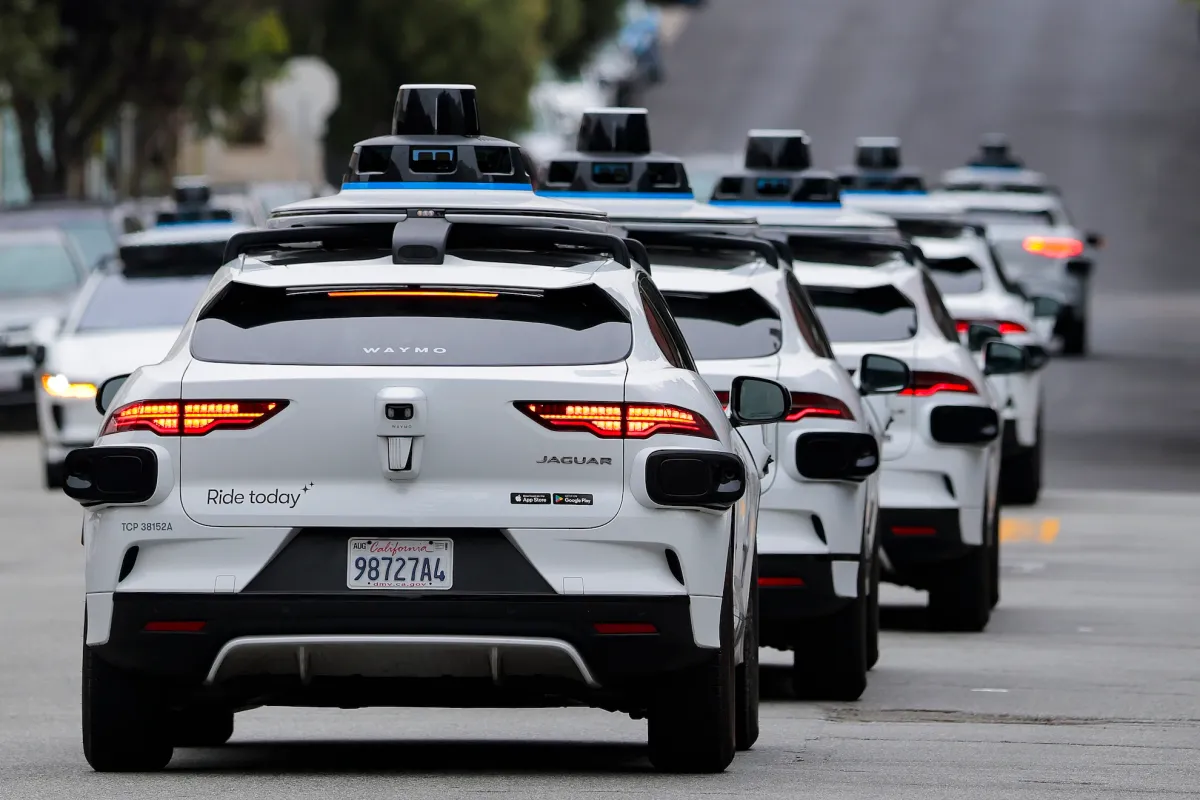
While Morrison’s letter did not name any specific companies, it undoubtedly resonates with Waymo, which owns the largest fleet of robotaxis in the U.S., operating in cities like Los Angeles, Phoenix, and San Francisco. In fact, a prior investigation indicated that Waymo has encountered multiple issues with first responders. Just this week, San Francisco supervisor Bilal Mahmood announced plans to investigate how autonomous vehicles affect public transit and emergency services, particularly after numerous Waymo vehicles ran out of power amidst a traffic jam on July 4.
Potential Consequences
It’s uncertain what practical implications Morrison’s letter will have for AV developers. As it stands, the NHTSA has requested that companies present solutions by the end of the month, marking a crucial timeline for the industry.
Regulatory Changes on the Horizon
Additionally, the federal government has updated its 2026 Regulatory Plan and Unified Agenda, which proposes several adjustments to the Federal Motor Vehicle Safety Standards (FMVSS). These proposed modifications could benefit companies like Tesla and Zoox, who are working on vehicles that do not require traditional driving controls like steering wheels or pedals.
Investment Developments
This week also saw intriguing news regarding investments in the mobility space. Rivian is in the spotlight for recently selling 86.25 million Class A common shares at $15.50 each, raising a total of $1.32 billion in new capital. This fundraising comes shortly after the company began delivering its new R2 SUV, and they’ve raised their sales forecast for 2026 to accommodate an anticipated surge in deliveries.
Exciting New Venture Deals
Some new venture activity includes Bidbus, a startup that has created a marketplace for car dealers, which recently raised $15 million in a Series A funding round led by Ibex Investors. Riding the wave of acquisitions, Lyft plans to acquire Serveo’s bike-share business in Spain, although terms remain undisclosed.
Noteworthy Trends and Tidbits
In other industry news, AssuranceAmerica confirmed a significant data breach affecting 6.9 million individuals—a stark reminder of cybersecurity vulnerabilities in the digital age. Meanwhile, Beta Technologies completed operational flights under the eVTOL Integration Pilot Program, showcasing advancements in electric vehicle technology.
These developments indicate the evolving landscape of autonomous vehicles and the interplay of technological advancement, regulatory dynamics, and market competition. As we watch these companies maneuver through challenges, one thing is clear: the future of transportation remains deeply intertwined with innovation.