
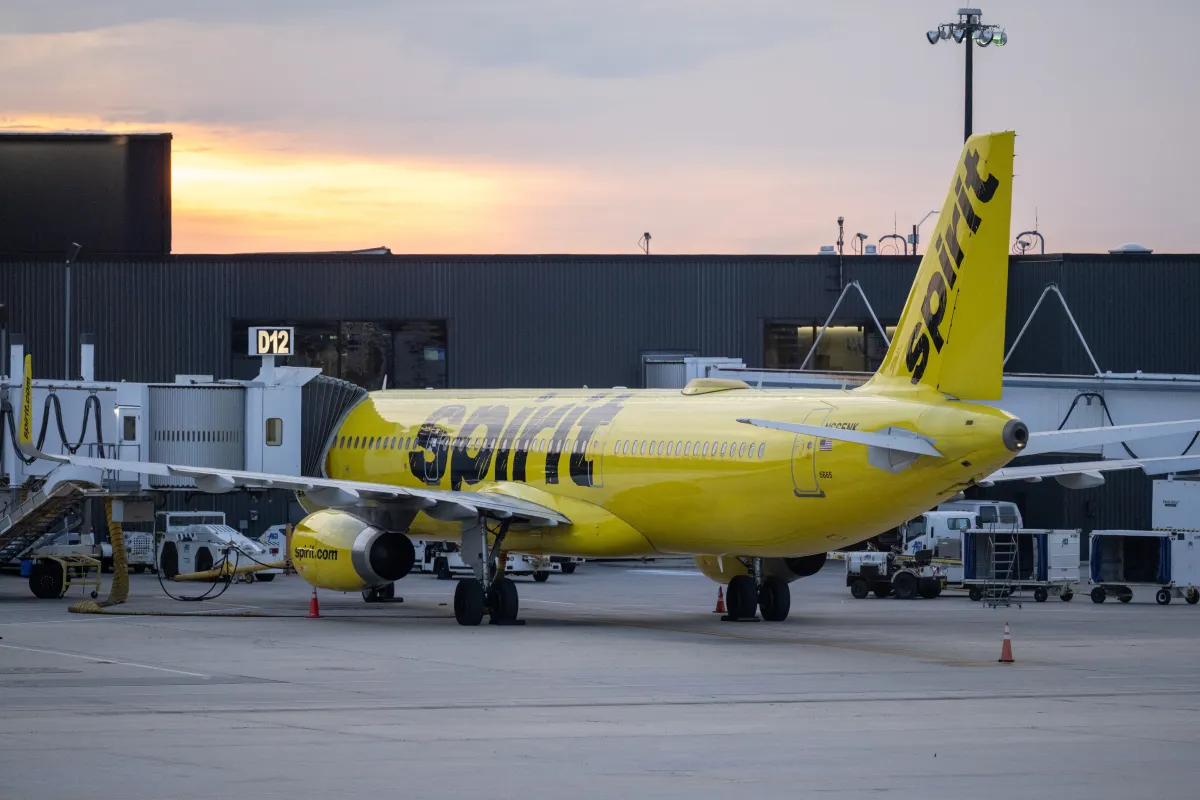
Spirit Airlines Shutdown Sparks Unique Idea: A Community-Owned Airline
In a shocking turn of events, Spirit Airlines abruptly ceased operations on Saturday night, leaving travelers stunned. The low-cost airline canceled all flights and let go of 17,000 employees, advising passengers not to even think about heading to the airport. For many, Spirit represented an accessible way to travel, and its sudden disappearance left a significant gap.
A Bold Idea Takes Flight
Amid the chaos, Hunter Peterson, a voice actor frustrated with frequent flying challenges, took to TikTok with a creative proposal. He asked: what if 20% of American adults each contributed the cost of a Spirit fare to buy the airline? He dubbed his initiative “Spirit 2.0: Owned by the People.” To his surprise, the idea quickly gained traction. Within hours, he launched a makeshift website, humorously admitting it took just one hour to create. By Sunday, 36,000 supporters had pledged nearly $23 million, leading to server crashes from the overwhelming response.
Understanding the Challenges Ahead
While the pledges are impressive, it’s essential to note that they are non-binding and essentially represent a crowdfunding initiative with no actual funds yet transferred. The cost of acquiring and re-launching an airline typically runs into the billions, a fact not lost on Peterson. In a follow-up video, he humorously appealed for help from aviation specialists, public relations experts, and legal professionals, simply asking for “Help?” He highlighted his awareness of the complexities involved, stating, “I know what I don’t know.”
Public Reactions and the Future of Air Travel
The public’s response to both the shutdown and Peterson’s initiative has been a mix of admiration and skepticism. Some view it as an innovative solution to the fragmented airline industry, while others question the feasibility of such a grassroots effort. This unpredictability reflects broader concerns about the airline industry, which has faced numerous challenges in recent years, especially post-pandemic.
For many frequent flyers, Spirit’s departure from the skies brings a deep sense of loss. Affordability is a significant factor in air travel, and as major airlines continue to consolidate, options dwindle. Peterson’s idea provides a fresh perspective on how communities could reclaim control over essential services, making air travel accessible to everyone.
Conclusion: A New Era for Travelers?
As the aviation landscape continues to evolve, Hunter Peterson’s initiative raises questions about ownership, community engagement, and the future of affordable travel. If successful, “Spirit 2.0” could pave the way for more consumer-led enterprises in other industries. For now, the airline industry watches closely, gauging the potential of this unconventional approach to reigniting the skies.