
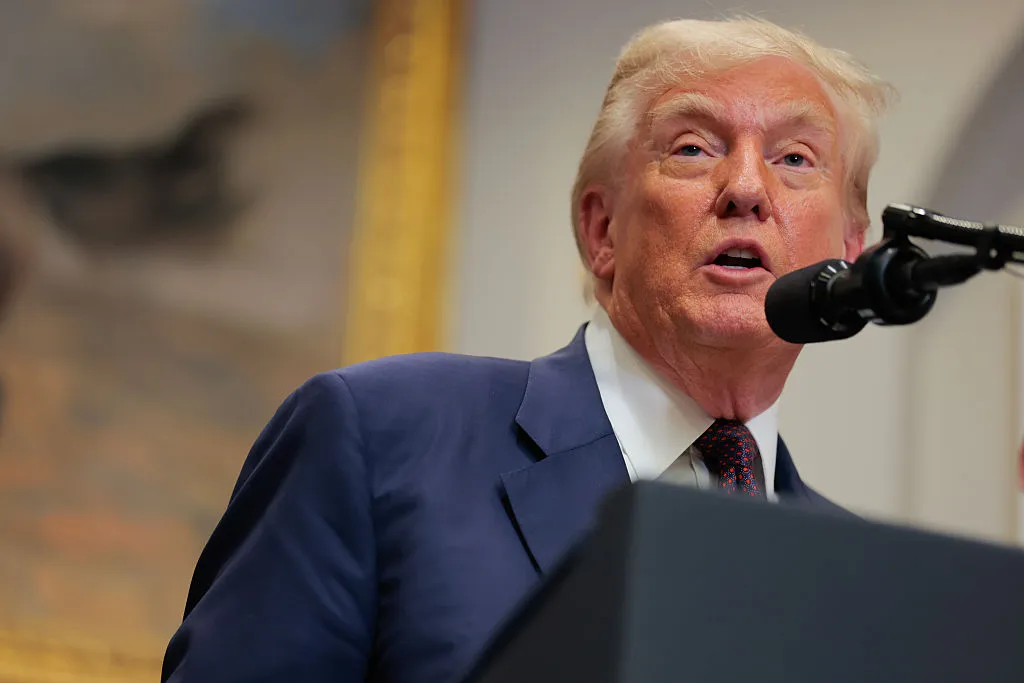
Federal AI regulation has become a central policy battle in Washington. The Trump administration’s push to establish a single national standard for governing artificial intelligence has encountered substantial resistance. This follows the decisive Senate rejection of a proposed ten-year moratorium on state-level AI laws. The administration’s subsequent strategy, involving a planned executive order to create a litigation task force, is now reportedly on hold, leaving the future of U.S. AI governance uncertain.
The administration’s position was clearly stated in a recent social media post, advocating for “one Federal Standard instead of a patchwork of 50 State Regulatory Regimes.” This philosophy aims to streamline innovation and create uniform rules for technology companies operating across the country. However, the path to achieving this goal is fraught with political and legal challenges.
From Legislative Defeat to Executive Action
The initial attempt to preempt state AI law was part of a broader legislative package. This provision, which sought to ban new state-level AI regulations for a decade, was resoundingly removed from the bill by the Senate in a 99-1 vote. The near-unanimous rejection demonstrated the widespread bipartisan reluctance to strip states of their regulatory authority over such a transformative technology.
In response to this legislative setback, the administration shifted tactics. Reports emerged that work had begun on an executive order. This order would not impose a direct ban but would instead establish a powerful federal tool: an AI Litigation Task Force. This body would be empowered to actively challenge existing and proposed state AI laws through the court system. The goal would be to use litigation to invalidate state regulations that conflict with the administration’s preferred federal approach.
A key leverage point in this strategy involved federal broadband funding. States that enacted AI regulations deemed contentious by the federal government could face threats to their access to these crucial funds. This financial pressure was intended to push local governments to reconsider or abandon their own regulatory initiatives. For more on the intersection of federal policy and technology funding, you can explore how U.S. export controls have influenced other tech sectors.
Current Status: Executive Order on Hold
According to a recent Reuters report, the drafting of this executive order has been paused. While the reasons for the delay are not entirely clear, the anticipation of significant opposition is a likely factor. This opposition was foreshadowed by the overwhelming Senate vote against the moratorium and includes expected dissent from within the administration’s own party. Some Republican members had previously criticized the proposed moratorium on state-level regulation, arguing it overreached federal power.
The following table outlines the key developments in the administration’s AI regulation strategy:
| Initiative | Mechanism | Status | Key Challenge |
|---|---|---|---|
| “Big Beautiful Bill” Provision | 10-year legislative ban on state AI laws | Defeated in Senate (99-1 vote) | Bipartisan opposition to federal preemption |
| Proposed Executive Order | AI Litigation Task Force to challenge state laws | Currently on hold | Political and legal opposition; internal GOP dissent |
Industry Divisions and the Silicon Valley Schism
The debate over AI regulation has exposed deep fissures within the technology industry itself. Silicon Valley is far from a united front on this issue. Several industry leaders, particularly those with ties to the Trump administration, have voiced strong opposition to AI safety legislation and the companies that support it.
Firms like Anthropic, which has advocated for responsible AI development and supported specific safety bills, have faced criticism from these quarters. A focal point of this conflict is California’s SB 53, a bill aimed at establishing safety standards for advanced AI systems. The support for such legislation by some companies has placed them at odds with others who favor a more laissez-faire, innovation-first approach. This internal industry conflict mirrors broader debates about how tech companies navigate shifting regulatory landscapes.
The Core Conflict: Federal Authority vs. State Innovation
The central question in this policy debate revolves around the balance of power between the federal government and the states. Proponents of federal preemption argue that a single national standard is essential for American companies to compete globally. They contend that navigating dozens of different, and potentially conflicting, state laws would stifle innovation and create an unbearable compliance burden.
Opponents, including many state attorneys general and consumer advocacy groups, argue that states have traditionally acted as “laboratories of democracy.” They believe states should have the right to protect their citizens from potential AI-related harms, such as algorithmic bias, privacy violations, and job displacement, especially in the absence of comprehensive federal legislation. The move to block state laws through litigation is seen by these groups as an aggressive overreach that could hinder important health and safety innovations in regulation.
Broader Implications for AI Governance
The outcome of this struggle will have profound implications for the future of AI in the United States. A successful federal preemption strategy would centralize rule-making power in Washington, likely leading to a regulatory environment more favorable to rapid development and deployment. A failure of this strategy, however, could result in a fragmented regulatory landscape where companies must comply with a variety of standards, such as those potentially emerging from tech hubs like California, Texas, and New York.
This uncertainty affects not only tech giants but also startups, investors, and consumers. The tech industry is closely monitoring these developments, aware that the regulatory framework established today will shape the AI ecosystem for decades to come. The situation also highlights the global dimension of AI governance, as the U.S. deliberates its approach, other powers, including the European Union with its AI Act, are moving forward with their own regulatory models. Understanding these global tech dynamics is crucial, as seen in reports on international security and technology.
The Trump administration’s bold move to centralize AI regulation represents a significant shift in U.S. tech policy. Yet, with the key executive order now on hold and facing bipartisan political headwinds and industry division, its ultimate implementation is uncertain. The path forward for federal AI regulation remains unclear, leaving states, companies, and the public in a state of suspense regarding the rules that will govern one of the most defining technologies of our time.