
Billionaire Exodus from California: The Real Reason Behind Their Exit
California’s proposed wealth tax is causing a stir among the state’s billionaires, and it’s not just the 5% rate that has them on edge. The New York Post recently shed light on the specifics—a proposed tax impacting founders based on their voting shares rather than their actual equity. This change could have significant implications for the tech giants and entrepreneurs who call California home.
Who Is Affected by the Proposed Wealth Tax?
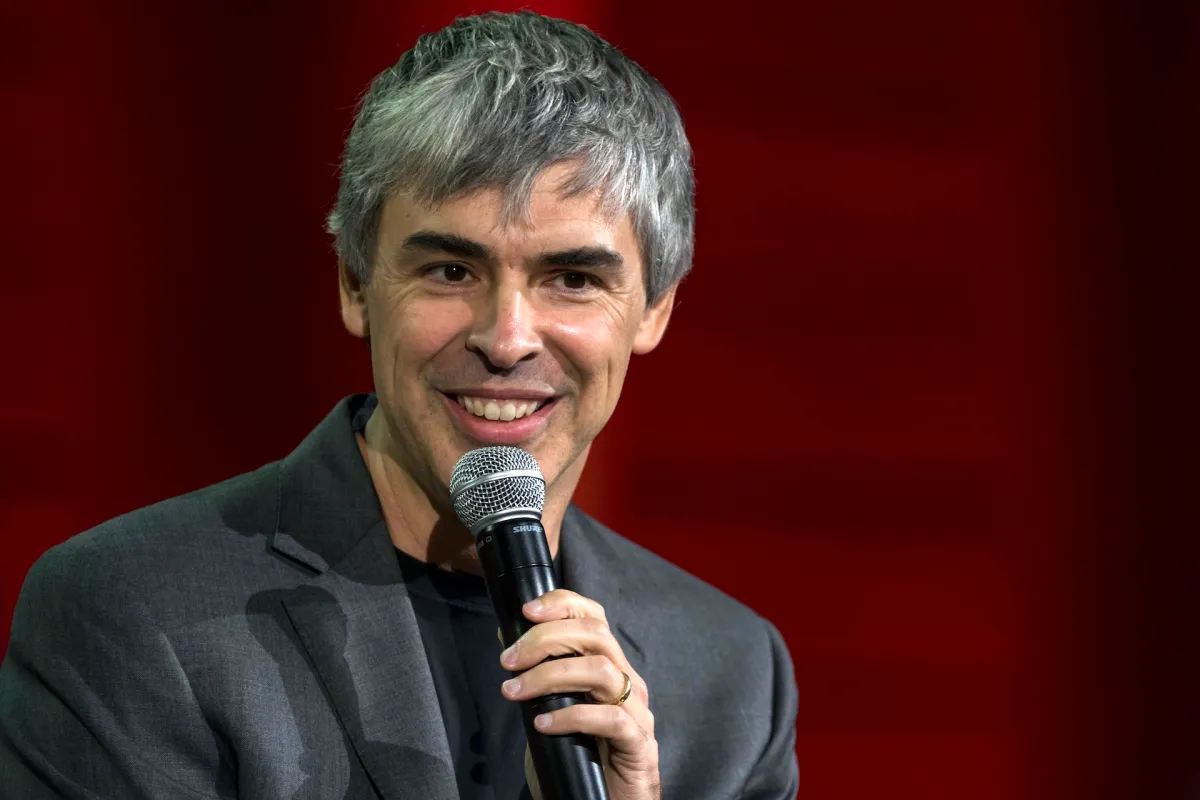
Take, for instance, Larry Page, a co-founder of Google. While he owns a mere 3% of the company, he controls approximately 30% of its voting power thanks to dual-class stock. Under the new proposal, he would be taxed on that 30%. Given the staggering valuations of tech companies, this could mean hefty tax bills that are far from negligible. The New York Post reports that a founder from SpaceX, who is in the Series B stage of developing grid technology, would face a tax liability that could completely eliminate his holdings.
Concerns Over Tax Calculations
David Gamage, a law professor at the University of Missouri who helped draft the proposal, believes Silicon Valley is making too much of the situation. Gamage stated that billionaires should consult tax lawyers instead of panicking. He clarified that founders wouldn’t necessarily need to sell their shares. They can utilize deferral accounts for assets they want to keep out of the tax equation; California can then collect 5% when those shares are eventually sold. He added, “If your startup fails, you pay nothing.” However, founders must still contend with the significant obligations tied to voting power, even if they haven’t realized their wealth.
The Fallout of Valuation Disputes
Despite Gamage’s reassurances, tax expert Jared Walczak points out that calculating valuations for private startups is challenging. Valuations can vary significantly based on methods used, and differing opinions may not stem from dishonesty. If disagreements arise, not only is the company accountable, but the state could also penalize the appraiser. This means founders could face substantial tax bills based on unrealized wealth—an unsettling prospect.
The Push for a Wealth Tax
California’s health care union is championing a ballot initiative calling for a one-time 5% tax on individuals worth over $1 billion. The union argues this is vital to counteract recent healthcare funding cuts associated with actions taken under the Trump administration. They aim to raise around $100 billion from about 200 wealthy individuals, with the tax retroactively applying to anyone living in California as of January 1, 2026.
Pushback from the Elite
The backlash has been fierce and bipartisan. Silicon Valley’s elite have mobilized via a Signal group called “Save California,” featuring prominent names like David Sacks and Chris Larsen. They have branded the initiative as “Communism,” citing it as poorly defined. Some billionaires are reacting preemptively; for instance, Page reportedly spent $173.4 million on two waterfront properties in Miami last month, while Peter Thiel’s firm has also secured office space there, signaling a potential migration.
Political Opposition
Even Governor Gavin Newsom is voicing his opposition to the proposed tax. He mentioned to the New York Times, “This will be defeated, there’s no question in my mind,” indicating he is actively working behind the scenes to combat the tax initiative. Newsom emphasized his commitment to protecting the state’s interests, hinting at the broader implications of the tax on California’s economic landscape.
The Union’s Standpoint
The health care union remains steadfast in its cause. Debru Carthan, a member of the executive committee, expressed determination, stating, “We’re simply trying to keep emergency rooms open and save patient lives.” Carthan criticized those who chose to leave California, highlighting their perceived greed in the face of a crucial public health issue.
Next Steps
To bring this wealth tax proposal to the ballot, proponents need to gather 875,000 signatures, aiming for a straightforward majority vote in November. The outcome could reshape the financial landscape for some of the wealthiest individuals in California and potentially influence the state’s economy.
As discussions continue, the tension between the needs of the public and the concerns of the wealthy tech elite unfolds. Whether the proposed tax will pass remains uncertain, but it has certainly sparked a significant debate about wealth and responsibility in California.