
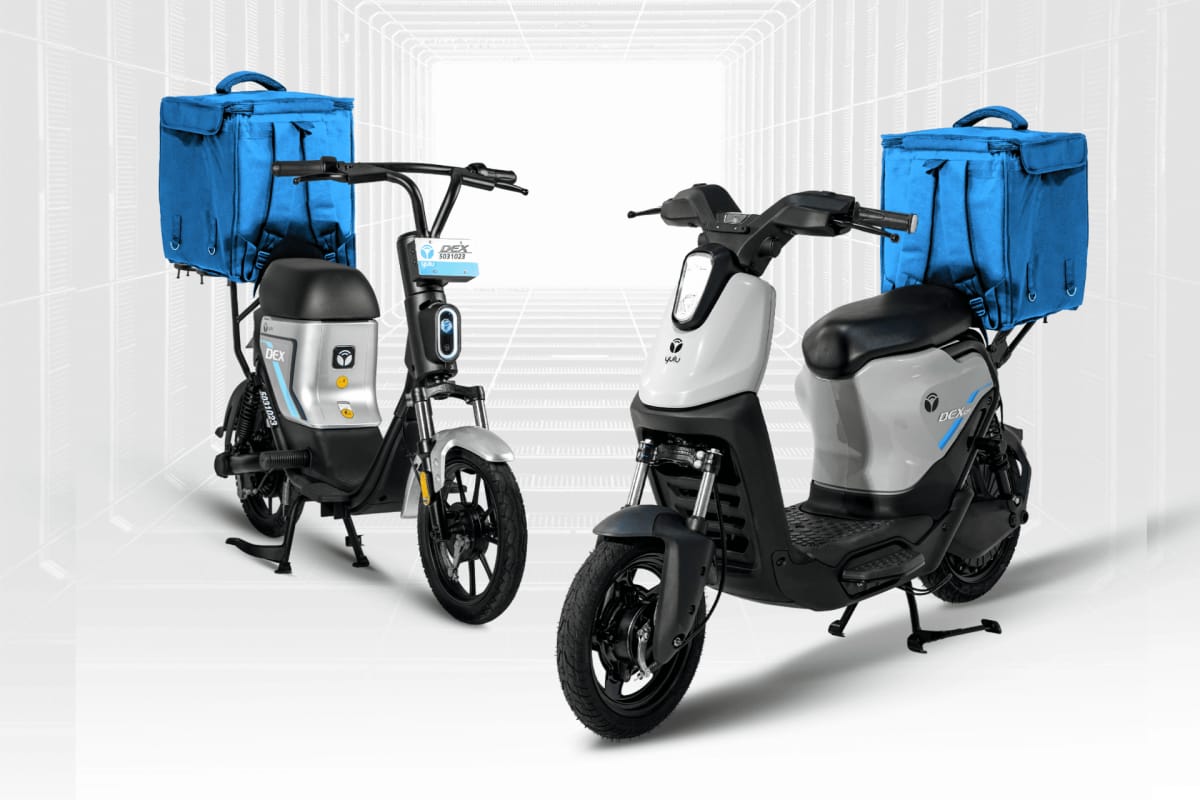
Yulu Rides the Quick-Commerce Wave with $93 Million in Funding
As the demand for rapid deliveries of groceries, electronics, and essentials skyrockets in India, electric mobility startup Yulu is capitalizing on this growth by securing an impressive $93 million in new funding. This Bengaluru-based company is revolutionizing the delivery landscape with its innovative subscription service for electric two-wheelers.
Key Highlights of the Funding Round
Yulu’s recent funding round includes $63 million in equity and $30 million in debt financing, primarily led by GEF Capital Partners. Amit Gupta, co-founder and CEO, noted that approximately $5.5 million of the equity was utilized to buy shares from early investors near the end of their funding cycles. Post-money, Yulu’s valuation stands at around $170 million, although Gupta declined to confirm specifics during an interview.
Interestingly, existing investors like Bajaj Auto and Magna International opted out of this funding round, enabling GEF to achieve its desired stake. Looking to the future, Yulu is anticipating this will be its last equity fundraising before potentially going public, with plans to finance fleet expansion through debt and leasing arrangements.
Yulu’s Fleet and Future Plans
With a current fleet of around 50,000 vehicles, Yulu confidently reports it covers about 1.6 million zero-emission miles per week and handles over 750,000 deliveries daily. The recent funding will enable Yulu to expand this fleet to 200,000 vehicles within the next two years. Additionally, the startup is set to launch a faster electric scooter, Yulu Express, aimed at serving new logistics demands.
Gupta shared that about a third of the planned fleet will comprise the new model, which caters to longer-haul deliveries and express parcel services, areas currently underserved by their existing slower fleet.
A Shift in Strategy During COVID-19
Initially founded as a bike-sharing platform in 2017, Yulu’s real opportunity emerged during the COVID-19 pandemic, where the demand for food and grocery deliveries surged. Gupta revealed that today, 95% of Yulu’s revenue stems from renting electric bikes to gig economy workers, with a small portion coming from a station-based rental service in Bengaluru. Yulu has also shifted focus away from selling bikes directly to consumers.
Plans for Expansion
Yulu operates in 12 cities across India, with its own infrastructure in Bengaluru, Mumbai, Delhi-NCR, and Hyderabad, and collaborates with franchisees in eight other markets. Gupta disclosed plans to expand into approximately 20 cities within the next year, targeting Chennai and Pune heavily.
Interestingly, Yulu collaborates with major quick-commerce and e-commerce platforms like Amazon and Walmart-owned Flipkart. However, their primary customer remains the gig workers renting the bikes, resembling “the AWS of mobility” in providing essential infrastructure for these delivery personnel.
Looking Ahead
Moving towards profitability, Yulu expects to hit positive EBITDA by next year, building on a substantial revenue growth of seven times from fiscal 2023 to 2026. This trajectory positions Yulu not just as a pioneer in electric mobility but as a significant player in transforming the gig economy landscape in India.
For more updates on innovations in technology and electric vehicles, check out our comprehensive coverage here on AxomLive.