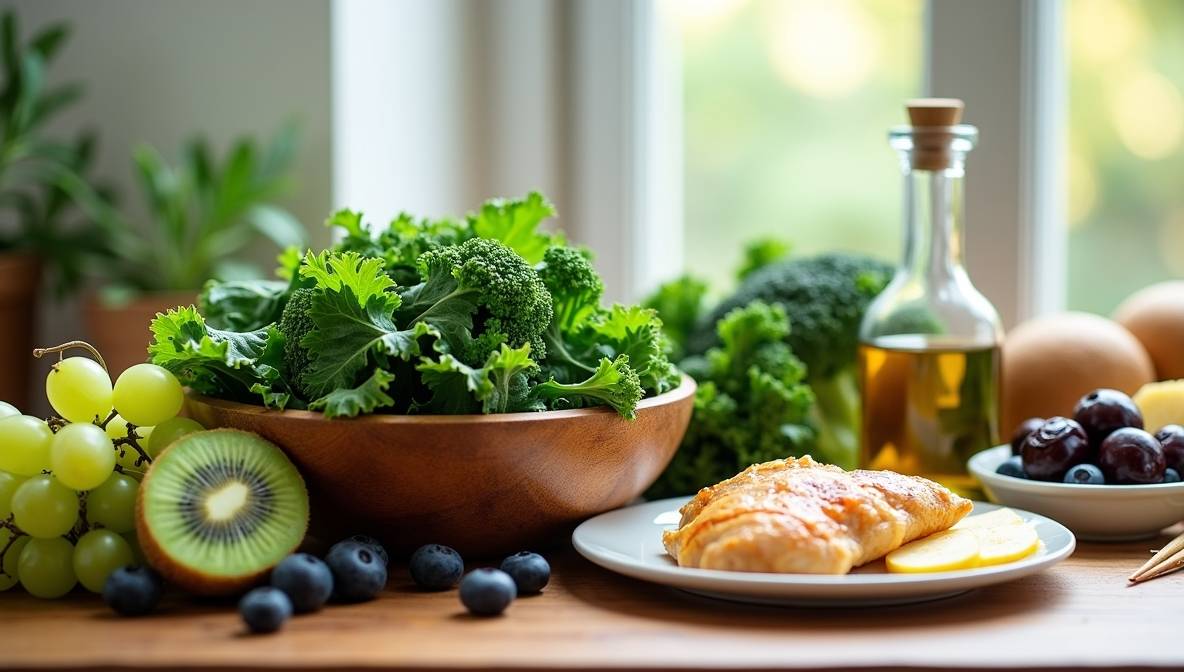
Vitamin K-rich foods strengthen bones and play a crucial role in recovery and overall well-being, according to a US study. Nutrition experts from Mount Sinai Hospital and the National Institutes of Health (NIH) emphasize that this fat-soluble vitamin not only helps blood clotting but also directs calcium into bones and teeth, reducing the risk of arterial buildup.
Registered dietitian Lauren Manaker explains that vitamin K ensures calcium reaches “the right places.” Without it, calcium may deposit in arteries, potentially leading to cardiovascular complications. Meanwhile, Samantha Dieras, director of ambulatory nutrition services at Mount Sinai, highlights that Vitamin K works in sync with other nutrients like vitamin D and calcium, making it essential for balanced nutrition.
For readers focused on long-term well-being, this means that small dietary changes — like adding more green vegetables, fermented foods, or vitamin K-rich oils — can improve recovery rates, protect cardiovascular health, and strengthen bones against fractures.
Why Vitamin K Matters for Your Health
Vitamin K is divided into two main types:
- Vitamin K1 (Phylloquinone): Found mainly in leafy green vegetables such as spinach, kale, and broccoli.
- Vitamin K2 (Menaquinone): Found in animal-based and fermented foods, including cheese, chicken, and soybeans.
Both types are essential, but they differ in how they work in the body. Vitamin K1 is the dominant form in diets worldwide, while K2 supports cardiovascular protection and is linked to stronger bones.
👉 If you are exploring broader diet strategies, you may find it helpful to also read about the NIME Diet, which focuses on nutrient balance, or look into goal-setting alternatives to maintain long-term health goals.
Recommended Daily Intake of Vitamin K
The NIH provides clear guidelines for daily intake:
| Group | Recommended Daily Intake |
|---|---|
| Adult Men | 120 mcg |
| Adult Women | 90 mcg |
| Pregnant Women | 90 mcg |
| Teenagers (14–18 years) | 75 mcg |
| Children (9–13 years) | 60 mcg |
(Source: NIH)
Most people can meet their vitamin K needs through a normal diet, as it’s abundant in vegetables, fruits, and certain animal products. However, absorption efficiency may vary depending on gut health, fat intake, and overall diet quality.
Top Vitamin K-Rich Foods to Add to Your Diet
The table below highlights some of the most nutrient-dense sources of Vitamin K, both K1 and K2:
| Food | Vitamin K Content | Type (K1 or K2) | Serving Size |
|---|---|---|---|
| Kale | 1,062 mcg | K1 | 1 cup (raw) |
| Spinach | 888 mcg | K1 | 1 cup (raw) |
| Brussels Sprouts | 155.8 mcg | K1 | 1 cup (cooked) |
| Broccoli | 220 mcg | K1 | 1 cup (chopped) |
| Edamame | 37.1 mcg | K1 | 1 cup |
| Soybeans | 1,000+ mcg | K2 | 100 g |
| Prunes | 60 mcg | K1 | 1 cup |
| Kiwi | 73 mcg | K1 | 1 cup (sliced) |
| Avocado | 14 mcg | K1 | 1/5 fruit |
| Blueberries | 47 mcg | K1 | 1 cup |
| Grapes | 22 mcg | K1 | 1 cup |
| Chicken Breast | 13 mcg | K2 | 3 oz |
| Cheese (Cheddar) | 4 mcg | K2 | 0.5 oz |
| Mozzarella | 2 mcg | K2 | 1.5 oz |
| Soybean Oil | 25 mcg | K1 | 1 tbsp |
| Olive Oil | 8 mcg | K1 | 1 tbsp |
| Hard-Boiled Egg | 0.15 mcg | K2 | 1 large |
This mix shows that you don’t have to rely only on greens — oils, fruits, and proteins also contribute to your daily intake.
How Vitamin K Strengthens Bones
Vitamin K activates proteins that regulate calcium use in the body. One such protein, osteocalcin, binds calcium to bones, making them denser and less prone to fractures. Studies show that adequate vitamin K intake reduces osteoporosis risk, particularly in postmenopausal women.
For readers interested in bone health, it may be helpful to also explore best iron supplements for pregnancy or learn about cottage cheese, another nutrient-packed food that supports bones and muscles.
Vitamin K and Cardiovascular Protection
Vitamin K2 in particular prevents calcium buildup in arteries. This reduces risks of stiff arteries and heart disease. A study published in the American Journal of Clinical Nutrition highlighted that higher intake of vitamin K2 was linked to lower coronary heart disease rates.
Adding foods like cheese, chicken, and fermented soy products could provide cardiovascular benefits alongside bone protection.
How Vitamin K Boosts Recovery
Beyond bone and heart health, Vitamin K plays a subtle role in faster recovery. By supporting blood clotting, it ensures that wounds heal properly and bruises fade quicker. This is particularly important for athletes, individuals recovering from surgery, or older adults prone to injuries.
For athletes and fitness enthusiasts, pairing vitamin K with recovery techniques can be as beneficial as practices described in guides like manage joint pain or 75 Hotter Challenge, which emphasize resilience and endurance.
Absorption and Pairing with Other Nutrients
Since Vitamin K is fat-soluble, pairing it with healthy fats enhances absorption. Oils like olive oil or soybean oil make excellent companions for greens like spinach or kale.
Experts also suggest that vitamin K works synergistically with vitamin D and calcium. Many supplements combine K2 with vitamin D3, which is crucial for transporting calcium from the blood into bones.
For more on vitamin D’s impact, check out vitamin D deficiency and low blood pressure, which shows how interlinked nutrients are for maintaining health.
Possible Risks and Medication Interactions
According to NIH and Mount Sinai, Vitamin K is generally safe from food sources. However, supplementation should be monitored if you’re on:
- Blood thinners (warfarin): Vitamin K can reduce effectiveness.
- Antibiotics: May affect gut bacteria that produce Vitamin K.
- Cholesterol-lowering drugs: Can interfere with absorption.
This doesn’t mean you should avoid vitamin K foods, but supplement use must be discussed with a doctor.
Signs of Vitamin K Deficiency
Though rare, deficiency can occur in people with absorption disorders, long-term antibiotic use, or poor diets. Warning signs include:
- Easy bruising
- Excessive bleeding from gums, cuts, or nose
- Blood in urine or stool
- Weak bones and frequent fractures
If you notice these, a healthcare provider should evaluate your vitamin K levels.
Practical Tips to Add Vitamin K to Your Diet
- Toss kale or spinach into smoothies or soups.
- Use soybean or olive oil in salad dressings.
- Snack on prunes or grapes during the day.
- Try fermented soy products like natto for K2.
- Add chicken breast to balanced meals for protein + K2.
Connecting Vitamin K with Broader Health Choices
The story of vitamin K connects with wider themes of lifestyle and nutrition. Just as reducing alcohol consumption has been linked to lower cancer risks (read more), optimizing vitamin intake provides long-term resilience.
Balanced nutrition is also essential in tackling global health challenges, from ultra-processed food risks to managing stress and conditions like chronic hives.
Conclusion: Vitamin K is Essential, Accessible, and Overlooked
Vitamin K may not be as widely discussed as vitamin C or D, but its role is undeniable. It strengthens bones, protects the heart, aids recovery, and improves overall health. With rich sources easily available in fruits, vegetables, oils, and proteins, reaching your daily requirement is achievable through a balanced diet.
By making intentional choices — from adding leafy greens to enjoying fermented foods — you can harness vitamin K’s power for stronger bones, quicker recovery, and better long-term health.