
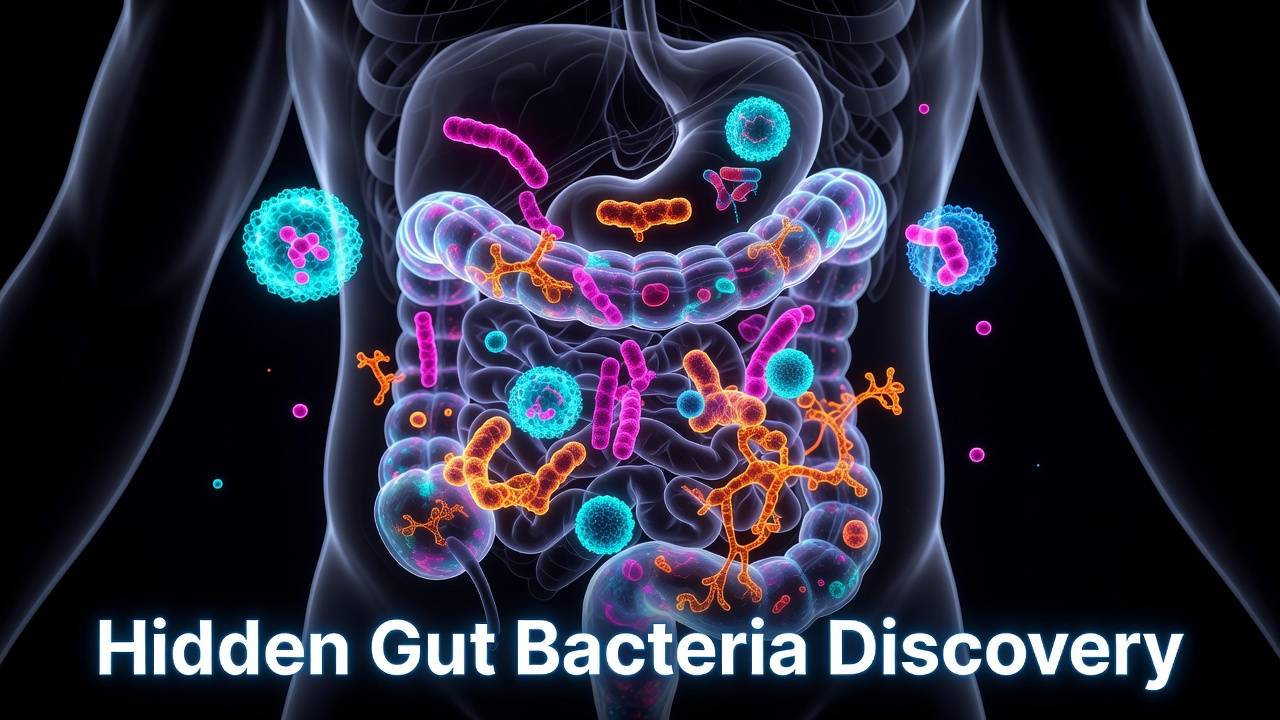
Scientists have identified a little-known gut bacterium that appears to be strongly linked to good health, according to a large international study led by researchers at the University of Cambridge.
The bacterium, labeled CAG-170, was found in significantly higher levels in healthy people than in individuals with inflammatory bowel disease, obesity and chronic fatigue syndrome. Researchers analyzed more than 11,000 gut microbiome samples from 39 countries to reach the conclusion.
The findings were published in the journal Cell Host & Microbe.
CAG-170 has never been successfully grown in a laboratory. Instead, scientists detected it using metagenomics, a technique that reads genetic material directly from microbiome samples. Even without lab cultivation, the bacterium repeatedly showed a strong association with a stable and balanced gut ecosystem.
Genetic analysis suggests CAG-170 can produce vitamin B12 and contains enzymes that help break down sugars, carbohydrates and fiber. Researchers believe the vitamin B12 supports other beneficial microbes in the gut rather than directly feeding the human body. That interaction may help maintain overall microbial balance.
“Our work shows that CAG-170 bacteria seem to be important contributors to human health,” said Dr. Alexandre Almeida from Cambridge’s Department of Veterinary Medicine. “People with Crohn’s disease and obesity consistently have lower levels of this bacterial group.”
The discovery builds on a larger project to map the full diversity of microbes living in the human digestive system. Almeida’s team previously created the Unified Human Gastrointestinal Genome catalogue, which identified more than 4,600 gut bacterial species. Over 3,000 of those species had not been documented before.
Each species is tracked through a genetic reference, allowing scientists to monitor microbes that cannot yet be cultured. CAG-170 stood out as one of the strongest indicators of a stable microbiome.
In a follow-up analysis of more than 6,000 healthy individuals, researchers found that higher levels of CAG-170 were closely tied to long-term gut stability. Separate data showed that people with dysbiosis, a microbial imbalance linked to digestive and mental health disorders, were more likely to have reduced levels of the bacterium.
Scientists say the findings could eventually guide the development of more targeted probiotics. Most current probiotic products rely on bacterial strains discovered decades ago, despite rapid advances in microbiome research.
Researchers caution that medical applications remain distant because CAG-170 has not yet been cultivated in the lab. Future work will focus on growing the bacterium and studying how it interacts with other microbes.
The study highlights how much of the human microbiome is still unknown and suggests that hidden microbial communities may play a larger role in health than previously understood.