
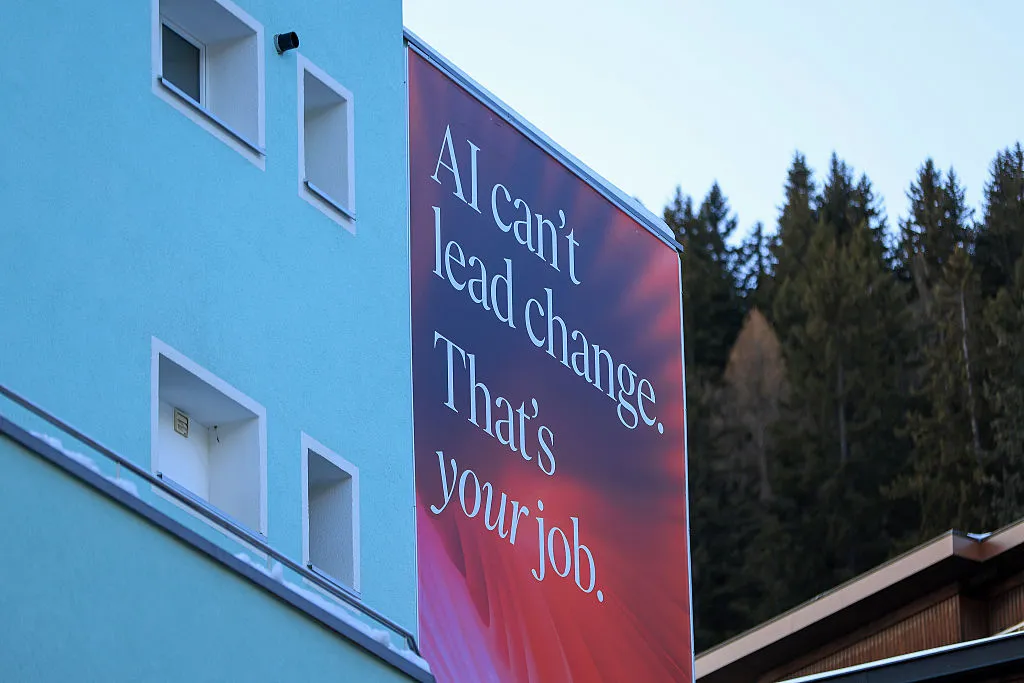
AI Job Loss Fears: A Closer Look at the Data and Trends
Fears of job losses due to artificial intelligence (AI) are becoming more pronounced as major companies announce layoffs. Recent reports indicate that nearly 90,000 job cuts linked to AI have been announced through May 2026, with projections suggesting that up to 15% of U.S. jobs may vanish within the next five years. This grim outlook, paired with tech industry promises of new job creation, does little to ease the anxieties of graduating students wondering if they’ll find employment in a changed landscape.
Positive Signs Amid Layoffs
However, a report from Ramp and Revelio Labs complicates this bleak picture. These organizations track AI expenditures and workforce records from nearly 22,000 companies, providing a more nuanced view.
The report reveals that companies heavily investing in AI are actually increasing their workforce, including in entry-level roles that many fear are at risk. Interestingly, “high-intensity adopters”—those spending an average of $30 per employee per month on AI in the initial three months—report a headcount growth of 10.2%.
Moreover, job growth spans various functions such as engineering, sales, administration, customer service, finance, and marketing. Notably, the information sector—which comprises software and tech firms—has experienced the most significant growth, demonstrating that AI can drive employment in these fields.
Contextual Challenges
While these findings offer optimism, the data isn’t universally positive. It tends to favor tech-focused firms that are generally on rapid growth trajectories, raising questions about whether AI is a true driver of hiring or merely a companion to existing expansion.
The authors openly acknowledge that their research does not conclude that AI creates jobs universally, but they challenge the narrative that AI will inevitably lead to widespread job losses. They also highlight that entry-level positions, often claimed to be declining, actually increased by 12% in tech-forward firms, countering some of the more pessimistic assessments.
AI as a Growth Tool
So, what does this mean for the workforce? It suggests that AI may not simply replace labor; it can also drive firm expansion. According to the report, “For software and technology firms, AI can make core output cheaper or faster to produce: writing code, debugging, building internal tools, producing documentation, and supporting product development.” In essence, decreased production costs can enhance overall firm growth rather than just benefiting specific departments.
On the flip side, companies that merely experiment with AI—subscribing to services without making sustained investments—often don’t see an increase in headcount. This creates a potential divide between companies that can effectively leverage AI for growth and those that struggle with limited resources.
The Gaps in AI Adoption
The report underscores a concerning trend: firms that lack the necessary capital, technical expertise, and management capabilities risk falling behind in this evolving market. The authors speculate that this divide may continue to widen, indicating a challenging future for companies without these essential resources.
The Future of Work in an AI-Driven World
As society navigates the complexities of AI in the workforce, it’s clear that understanding its implications is crucial. While fears of job loss are valid, the data suggests a more layered reality—one where AI can serve as a catalyst for job creation, especially in certain sectors.
Those entering the workforce should remain resilient and adaptable, and look towards industries where AI is leveraged for innovation and growth. For further insights into technology’s evolving role in employment, you can explore our other articles on technology and societal impacts.