U.S. Imposes New Tariffs on Drones: What It Means for the Robotics Industry
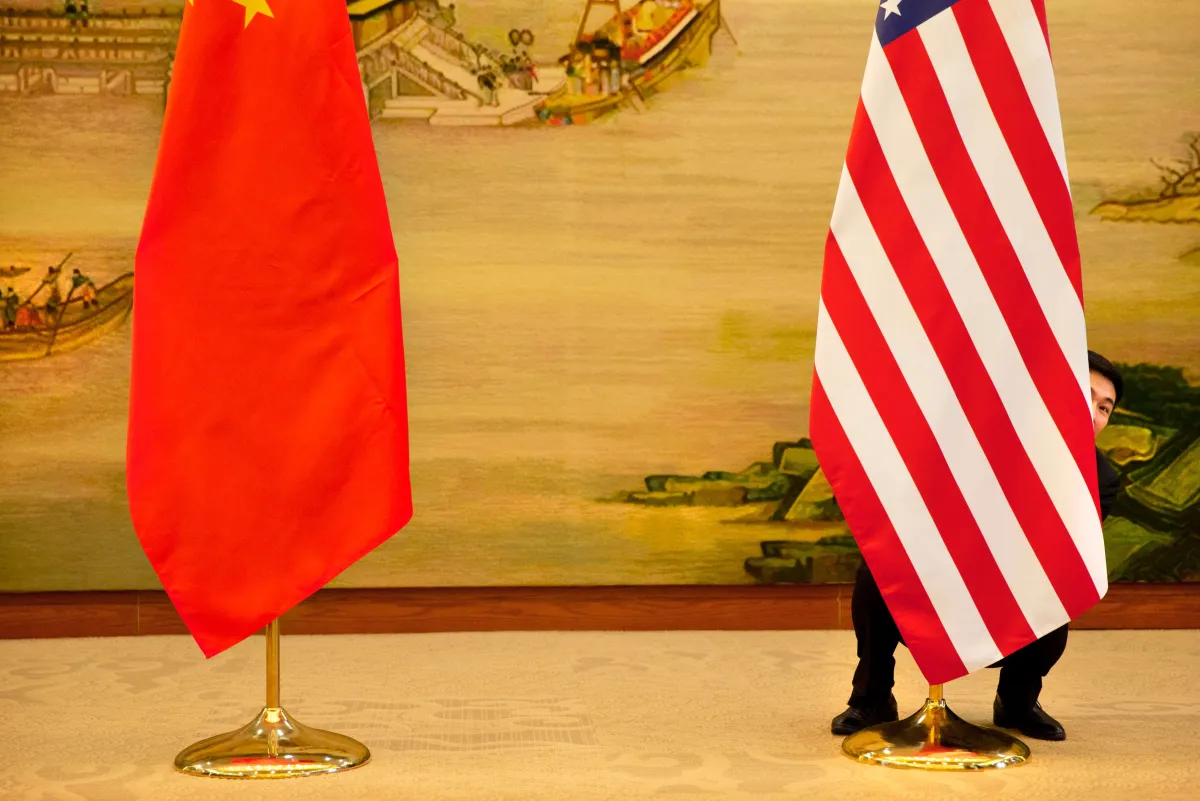
In a move that is reshaping the global robotics landscape, the U.S. government announced new restrictions on foreign-made robotic systems and significant tariffs on imported drones and their components. As of September, these tariffs will take effect, with additional components facing charges starting in 2027. Authorities cite national security as the primary reason behind these actions.
This decision is part of a larger strategy aimed at limiting foreign technology in crucial sectors. The Federal Communications Commission’s (FCC) Covered List, which began in 2021, initially focused on telecommunications and surveillance equipment from companies like Huawei and ZTE. It has now expanded to include foreign-made drones and advanced robotic devices, reflecting increasing concerns over national security.
These actions come at a time when Chinese manufacturers dominate the drone and humanoid robot markets, often offering prices that U.S. and European companies find hard to match. The impact on the global robotics industry raises an essential question: if Chinese products are restricted in the U.S., where will they turn next?
The Growing Split in the Robotics Market
While these restrictions may safeguard certain segments of the American market, experts warn they don’t address China’s vast manufacturing scale and cost advantages. Industry analysts have indicated that instead of a simple U.S.-China divide, we might witness a more fragmented global market. Chinese companies could look to expand in regions that value cost-effectiveness, while U.S. manufacturers focus on security-sensitive markets.
The Scale Gap and Its Implications
The robotics industries of the U.S. and China are intricately linked, yet they enter the competition with distinct advantages. According to Ankur Saxena, an investment director at TDK Ventures, unlike semiconductors, robotics doesn’t depend on a single technology that one country can easily monopolize.
China currently leads global humanoid robot manufacturing, with shipments reaching 22,000 units in the first half of this year, mostly from Chinese manufacturers, as reported by Counterpoint. In contrast, U.S. companies operate at significantly smaller scales. The top five humanoid robot makers—AgiBot, Unitree, Galbot, UBTECH, and Leju Robotics—are all Chinese, accounting for 86% of global shipments in the same period.
This advantage could further escalate, as lower prices enable Chinese firms to deploy more robots, generating valuable data that enhances their technology. Greater production volumes can drive costs down even further, Saxena adds.
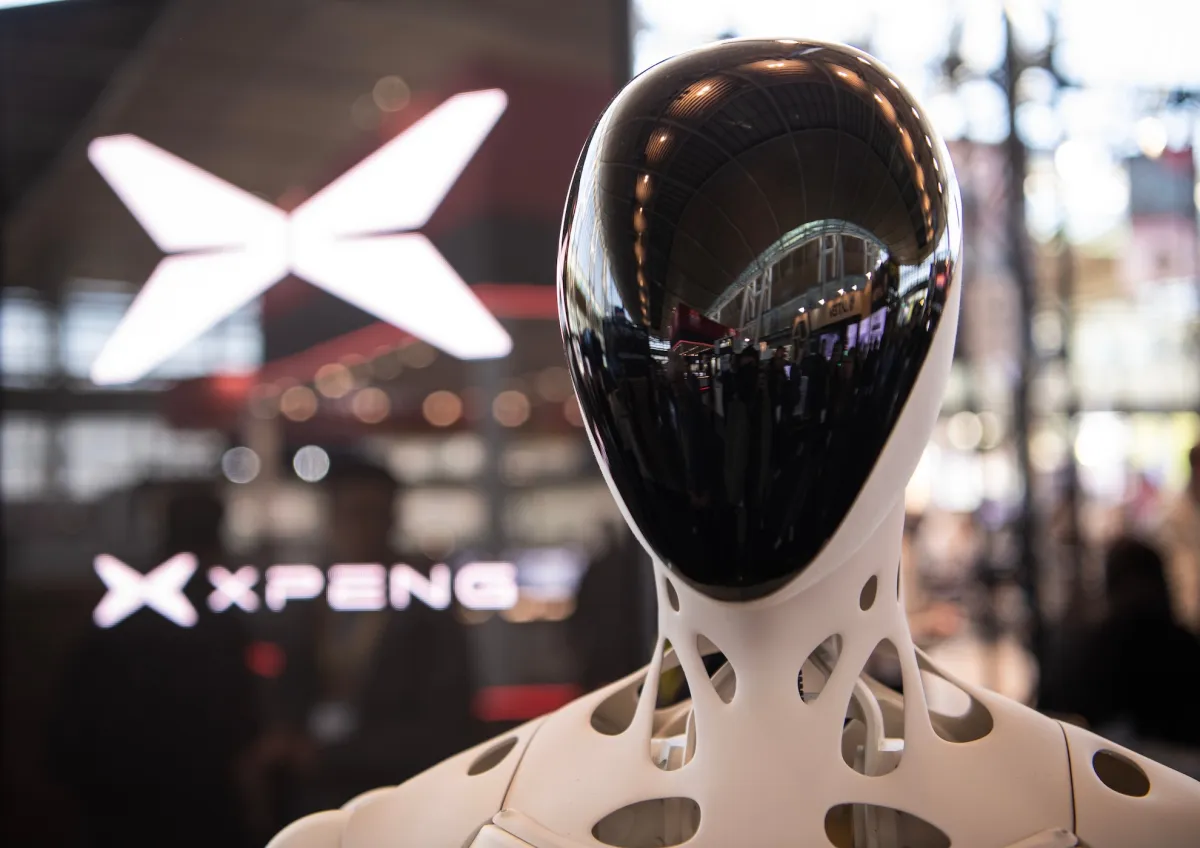
Chinese manufacturers are also reducing costs by in-sourcing more of their technology and leveraging China’s extensive manufacturing base. For example, Unitree is designing more components in-house, and automakers like XPeng are transitioning into robotics while drawing on their experience in chip manufacturing.
“The United States excels in advanced AI, software, and semiconductor innovation,” says Saxena, “but China dominates in manufacturing scale and supply chain depth.” This manufacturing edge has allowed Chinese companies to slash humanoid robot prices quicker than U.S. competitors can respond.
Future Directions for Chinese Robotics
Even with restrictions on accessing the U.S. market, Chinese robotics firms are poised to target other regions. They have large domestic markets and opportunities across Europe, Southeast Asia, Latin America, and the Middle East, particularly in regions experiencing labor shortages and high demand for affordable automation. This strategy mirrors that of Chinese electric vehicle companies, which first establish scale domestically before venturing into international markets.
As the drone market illustrates, we may see a further fragmentation of the robotics industry. A U.S.-lead market will likely focus on American-made systems adhering to the National Defense Authorization Act (NDAA), while a China-centered market concentrates on cost-effective, high-volume production. According to Bentzion Levinson, founder and CEO of Virginia-based drone maker Heven AeroTech, the next competitive frontier might shift from the drones themselves to the technology and energy systems that power them.
A Regional Robotics Market Emerges
The push towards American security doesn’t just create a domestic U.S. supply chain; it encourages a diversified allied market, says Saxena. Countries in Asia such as Japan, South Korea, and Taiwan bring unique strengths to robotics, but none can entirely replace the scale of Chinese production, given the global dependencies on Chinese components.
Manufacturers in these countries may find a middle ground, offering products that sit between lower-cost Chinese offerings and higher-priced U.S. options. Companies like South Korea’s Hyundai, which owns Boston Dynamics, and Japan’s Toyota are investing heavily in robotics, leaning on their expertise in manufacturing and autonomous systems.
As industry experts indicate, the future of robotics will likely be regional. Companies might tailor designs to meet the specific labor needs and working conditions of their local markets. While Chinese firms may focus on products aimed at their home market and nearby areas, U.S. companies could concentrate on industries across North America.
The resulting landscape may not neatly separate industries led by the U.S. and China. Instead, we could see a more diverse market, with Chinese companies competing on cost and scale globally, while U.S. firms and their allies gain traction where security concerns are paramount. Additionally, manufacturers in Japan, Taiwan, and South Korea might strive to find their niche in the middle ground.