The Rise of Humanoid Robots: China’s Surge in Technology
Humanoid robots are attracting significant attention, thanks largely to advancements led by figures like Tesla CEO Elon Musk and improvements showcased by Boston Dynamics’ Atlas robot. However, behind this excitement lies substantial progress in robotics and artificial intelligence.
Researchers are optimistic about harnessing AI techniques, particularly those underlying large language models, to equip robots with the ability to master complex tasks. As these technologies evolve, a new wave of companies is eager to capitalize on the potential profitability of humanoid robots, with many recent entrants hailing from China.
Major Investments and Developments
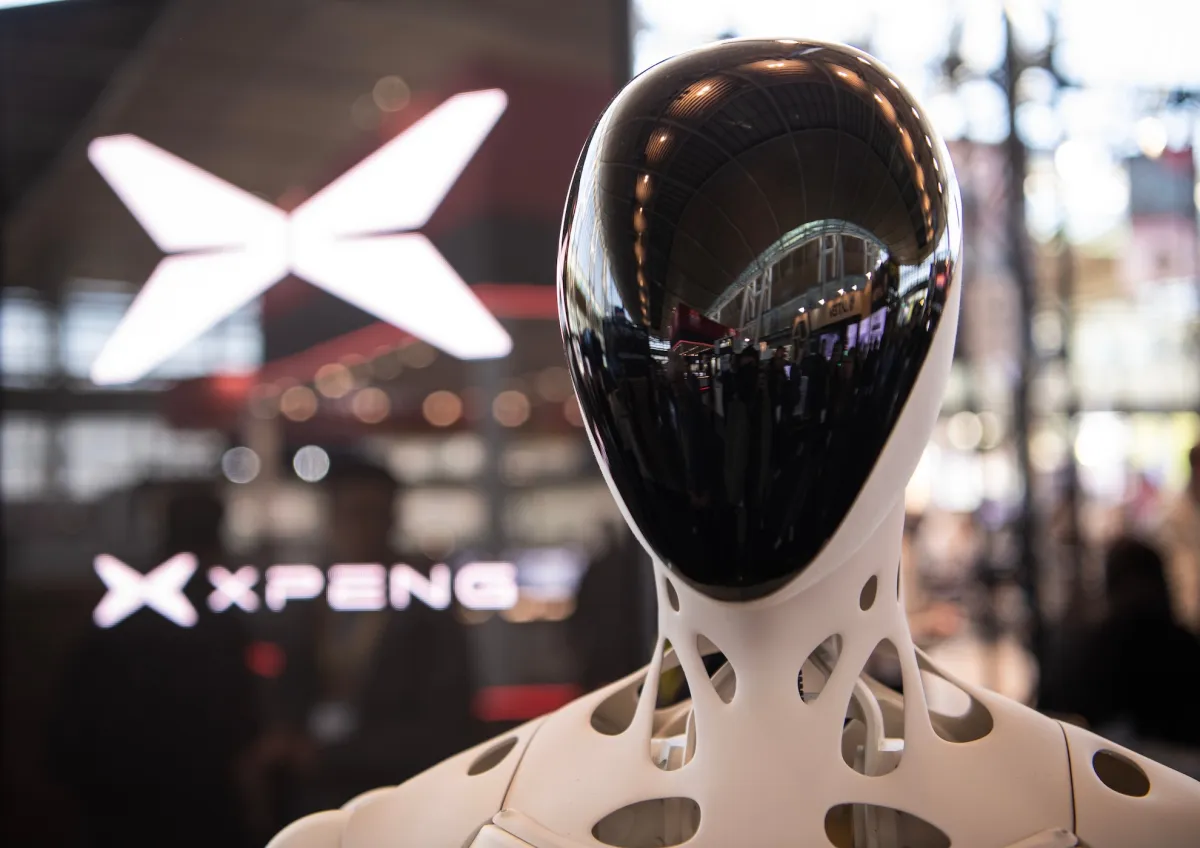
This week, Xpeng’s robotics division secured over $900 million in funding, achieving a post-money valuation exceeding $6.3 billion. Notably, this financing round is touted as the largest in China’s “embodied AI” sector, which focuses on integrating AI systems into physical machines. The investment was spearheaded by IDG Capital and included participation from giants like Tencent and Alibaba.
In addition to Xpeng, Chery Automobile’s robotics unit, AiMOGA, is embarking on preparations for an initial public offering (IPO), while BYD introduced a humanoid robot named Xiao Di. Other key players in the Chinese automotive industry, such as Changan, GAC, Li Auto, SAIC, and Seres, are also investing in humanoid robot technology.
Xpeng’s Strategic Focus
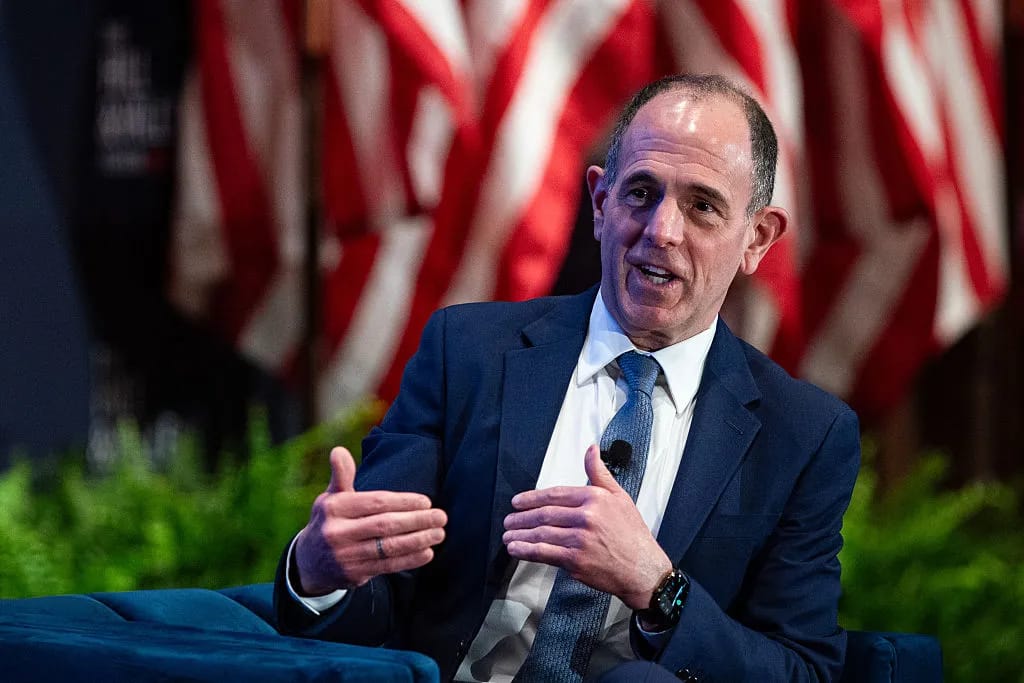
Among these companies, Xpeng stands out for closely mirroring Tesla’s approach. According to Michael Dunne, CEO of Dunne Insights, Xpeng is particularly aggressive in its pursuit of autonomous technology and humanoid robots. “It’s the most focused on autonomy, and the first to commit significantly to humanoid robots,” Dunne noted.
Dunne highlighted that Xpeng’s founder, He Xiaopeng, is a tech-savvy billionaire recognized for his ability to pivot quickly. With diminishing profits on the horizon from automobiles, Xiaopeng sees a brighter future in robotics. Both Xiaopeng and co-president Brian Gu are so confident that they have infused around $100 million of their own money into the company’s robotics venture.
The Competitive Landscape
Xpeng’s humanoid robot, named Iron, aims to deploy commercial capabilities by mimicking human form. According to Dunne, Chinese automakers possess a distinct advantage in manufacturing, possessing the necessary hardware to support growth in this industry. However, he raised a critical question: “Can they keep up with Tesla on the AI front?”
Numerous other companies are also entering the humanoid robotics sector. These include Agility Robotics, Apptronik, and Figure, all aiming for large-scale commercial deployment. Hyundai, through its owned company Boston Dynamics, is making noteworthy strides as well. This year, Hyundai plans to incorporate Atlas into its Georgia factory operations, eventually using these robots for tasks like parts sequencing by 2028.
The Korean automaker has partnered with Google’s AI research lab, DeepMind, to enhance the development of Atlas. Moreover, Hyundai is establishing a U.S. facility dubbed the Robot Metaplant Application Center to train robots in mapping movements like lifts and turns.
Looking Ahead: The Future of Humanoid Robots
Other automotive companies are eager not to be left behind. Mobileye, a technology supplier, has recently acquired Mentee Robotics for $900 million. Rivian is also exploring the robotic sphere via its Mind Robotics spinout, although its robotics designs differ from those typically seen in humanoid formats.
The ongoing developments in humanoid robot technology promise to reshape various industries. As companies across the globe, particularly in China, dive into this innovative frontier, the implications for both manufacturing and AI applications are vast and significant.
For more updates on technology advancements, visit Axom Live.