Elon Musk vs. OpenAI: Jurors Weigh Future of AI Lab in Landmark Case
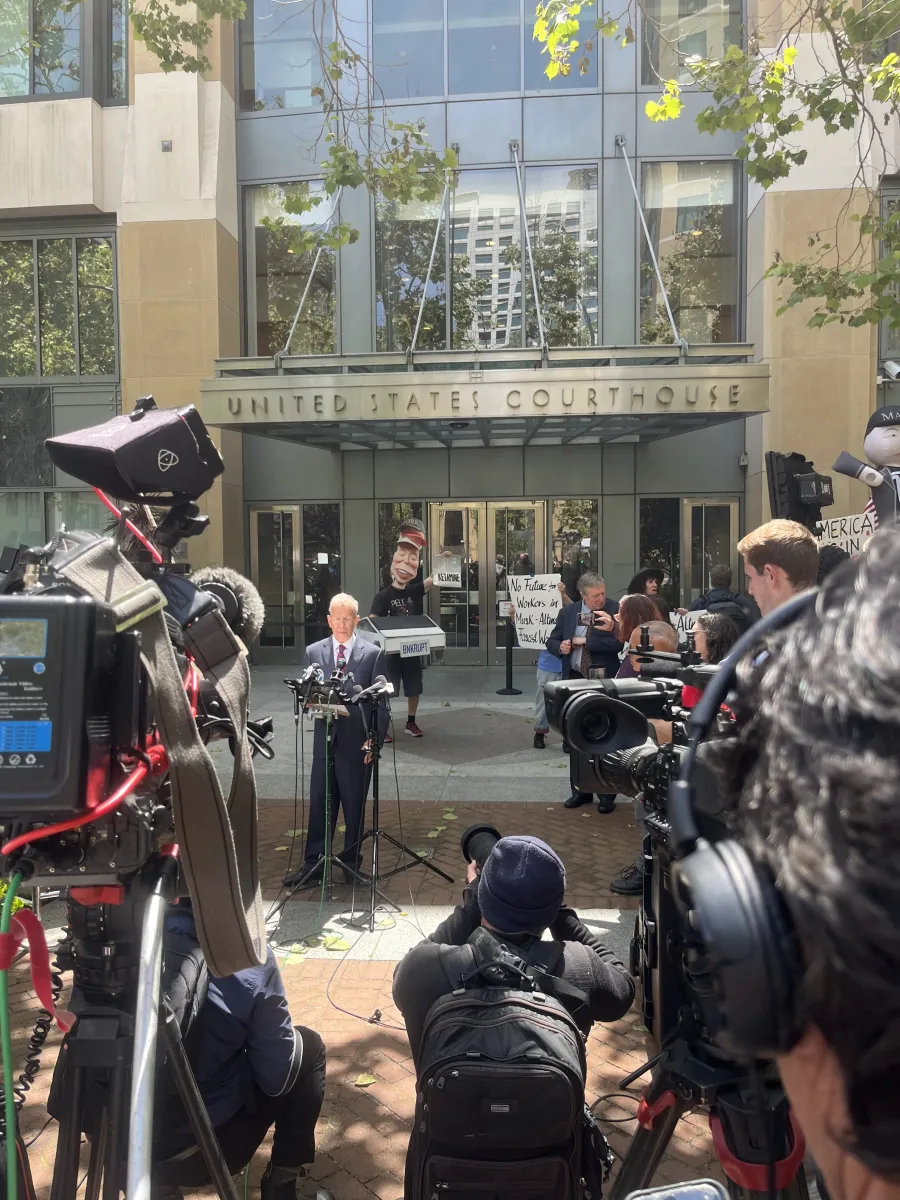
In a high-stakes courtroom drama, nine jurors in California are now deliberating the future of OpenAI, the renowned artificial intelligence lab co-founded by Elon Musk. The case has garnered widespread attention due to its implications for AI development and funding, casting a spotlight on Musk’s tumultuous relationship with the lab.
The trial, which explores Musk’s accusations against OpenAI’s co-founders and Microsoft, has delved into events ranging from the founders’ fallout in 2018 to the controversial firing and rehiring of CEO Sam Altman in 2023. However, the jurors are now focused on several pivotal questions that will determine the trial’s outcome.
- Breach of Charitable Trust: Did OpenAI and its co-founders violate an agreement with Musk regarding the use of his donations for specific charitable purposes?
- Unjust Enrichment: Did the defendants improperly use Musk’s donations to benefit themselves through OpenAI’s for-profit arm?
- Aiding and Abetting Breach of Trust: Did Microsoft know about Musk’s specific conditions on his donations and play a role in causing him harm?
As the jury weighs Musk’s claims, OpenAI’s defense team is presenting a robust case, citing three main arguments:
- Statute of Limitations: OpenAI asserts that any alleged harms occurred before key dates that would nullify Musk’s claims.
- Unreasonable Delay: They argue Musk’s delay in filing the lawsuit in 2024 makes his demand for damages untenable.
- Unclean Hands: OpenAI contends Musk’s actions undermine his claims against them, alleging his conduct was unconscionable.
If Musk prevails, it could signal a seismic shift for OpenAI’s for-profit model, but the repercussions remain uncertain. Next week, a series of new hearings will follow, where the judge will consider the implications of a verdict favoring Musk. However, a negative ruling could render these discussions moot.
Breaking Down the Core Issues
At the heart of Musk’s allegations is the claim of breach of charitable trust. His lawyers argue that the defendants were aware that Musk intended his donations to support a nonprofit dedicated to ensuring AI benefits humanity without being monopolized by a single entity. They also point to a $10 billion investment from Microsoft in 2023, asserting it deviated from Musk’s original vision and contributed to OpenAI’s for-profit enrichment at the expense of its charitable mission.
In response, OpenAI’s legal team has pressed witnesses to clarify any restrictions on Musk’s donations, with none affirming such limitations. Furthermore, they argue Musk’s own attempts to control a for-profit branch of OpenAI contradict his claims. A forensic accountant also testified that Musk’s contributions had been utilized long before the key deadline of August 5, 2021, challenging the validity of Musk’s breach claims.
The Unjust Enrichment Argument
Musk’s team is highlighting the enormous valuations of stakes held by OpenAI founders and Microsoft as evidence of unjust enrichment from Musk’s donations. They assert the foundation fell into dormancy while the for-profit arm flourished commercially, devoid of the workforce needed to fulfill its original mission.
OpenAI, however, maintains that Musk’s donations helped the foundation achieve its mission and that the for-profit model has propelled the development of advanced AI technology while still adhering to safety protocols. They underscore that the nonprofit board retains control over the for-profit entity.
Microsoft’s Role Under Scrutiny
Central to the case is Microsoft’s involvement, particularly during events known as the “blip,” when concerns arose about OpenAI’s governance. Musk’s lawyers argue that Microsoft’s commercial interests diverted OpenAI from its original mission. However, Microsoft representatives counter that they were unaware of any specific conditions tied to Musk’s donations and emphasized their role in propelling OpenAI’s innovations.
Statute of Limitations and Delay Claims
Musk’s timeline of growing mistrust towards OpenAI culminated with the controversial Microsoft investment in 2023. Nonetheless, OpenAI’s team contends that the terms surrounding that investment were known to Musk from a 2018 fundraising round. They argue that his public criticisms of OpenAI prior to filing suit in 2024 indicate he was well aware of the organization’s activities long before legal action was initiated.
The Unclean Hands Defense
Accusations of “unclean hands” are also a focal point in OpenAI’s defense. They assert that Musk was actively undermining OpenAI while still associated with it, including poaching employees for his own AI ventures. Furthermore, the close relationships and undisclosed connections within OpenAI’s board have raised eyebrows, particularly regarding Musk’s adviser, who did not disclose her ties to him for years.
As the jurors deliberate, the outcome of this case could have far-reaching implications for how AI development and funding paradigms operate in the future.