The Future of Robotics: Kyber’s Groundbreaking Innovations
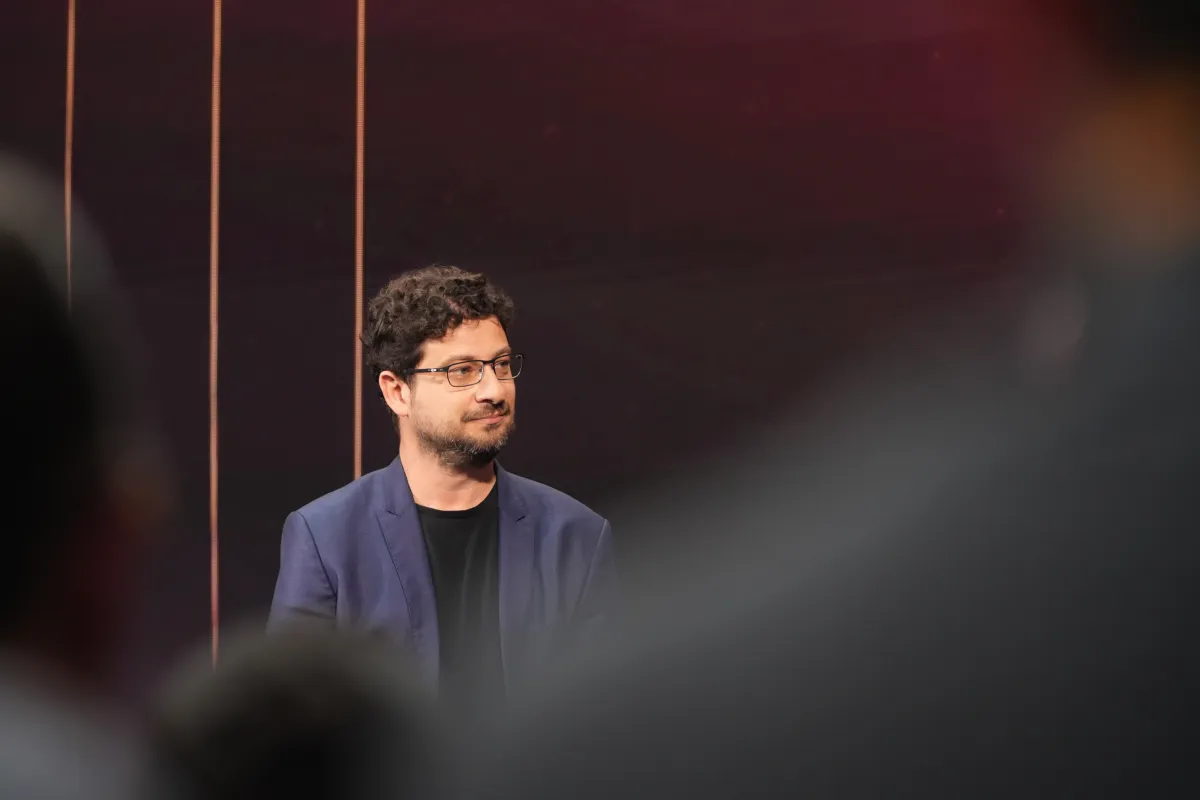
VLC Media Player, with its iconic orange traffic cone icon, is a staple for many. Developed by French tech visionary Jean-Baptiste Kempf, this open-source video player has been downloaded over 6 billion times. Yet, Kempf is now turning his attention to a new frontier: robotics. He believes that “hundreds of millions of robots and drones” will soon navigate our streets.
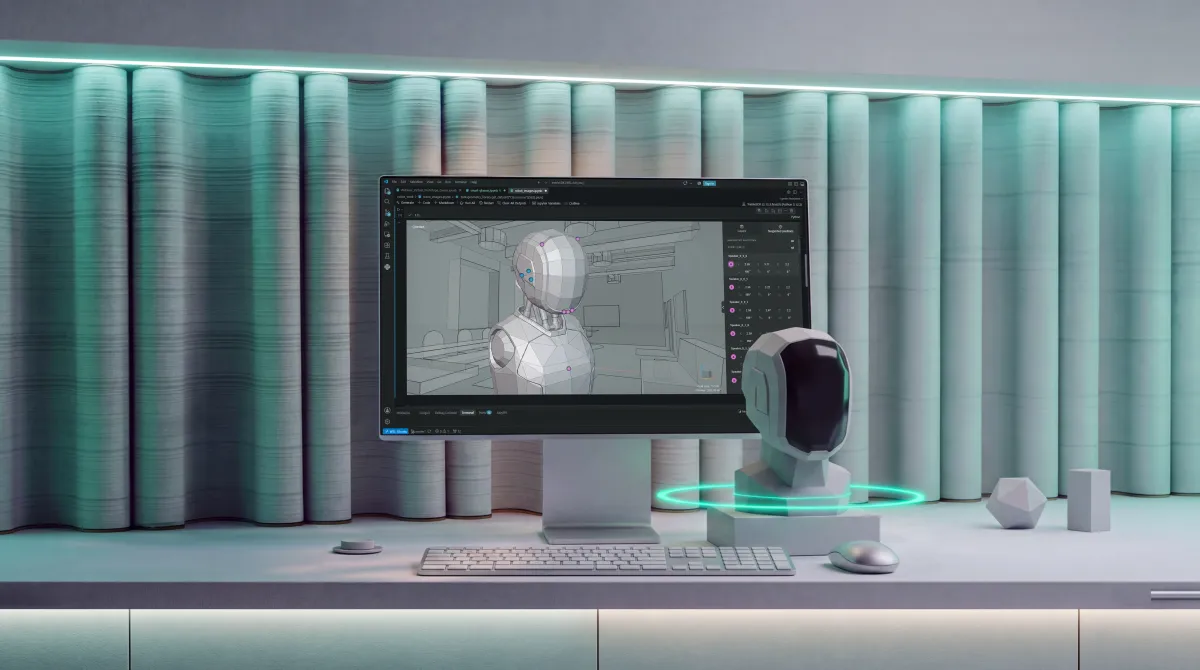
To support this vision, Kempf has launched Kyber, a pioneering infrastructure platform designed to control remote devices in real-time. The core of Kyber’s technology is a software development kit (SDK) that can synchronize video, audio, sensor data, and control inputs with impressive speed and minimal latency.
Investment in the Future
Kyber has caught the attention of investors, raising $5 million in a round led by Lightspeed Venture Partners, known for its backing of transformative tech firms like Anthropic and Mistral AI. According to the firm, “Physical AI is only as good as the underlying systems running it,” showcasing the importance of infrastructure in advancing AI technologies.
Applications Beyond AI
While physical AI is a significant focus, Kyber’s applications extend far beyond just artificial intelligence. “We’re addressing all use cases where the operator isn’t located where the computation takes place,” Kempf explained in an interview with TechCrunch.
A Focus on Speed and Efficiency
Speed is crucial in remote control, which is where Kyber draws its name—a reference to the lightsaber crystals in Star Wars. “In the real world, every millisecond matters,” Kempf stated, emphasizing the need for real-time response.
The foundation of Kyber’s approach is rooted in established video-streaming technology. Originally a side project during Kempf’s tenure as CTO of cloud gaming firm Shadow, the technology leverages his background with VLC to reduce lag efficiently. However, the company also prioritizes Internet of Things (IoT) optimization, adjusting performance according to each device’s available capabilities.
Market Demands and Scalability
Although some companies have developed similar software for specialized uses like remote vehicle operation, Kempf sees a considerable gap in scalability. “The largest fleets today have around 2,000 to 3,000 vehicles; imagine managing millions,” he remarked. This scaling up brings unique challenges, especially regarding observability—ensuring systems operate effectively when AI takes charge of fleet management.
Even at a smaller scale, the advantages are significant. For instance, the ability to push software updates remotely saves the hassle of physically accessing each device.
Open Source Meets Enterprise
Kyber aims to cater to a wide array of users, from individual developers to large enterprises, functioning on the open-source model while providing a commercial version for businesses. The company’s innovative approach includes not just software sales but also offering custom deployment services with a dedicated team of forward-deployed engineers (FDEs) who help clients integrate Kyber seamlessly into their operations.
Headquartered in Paris, Kyber also maintains offices in San Francisco and Singapore, anticipating a global client base that spans various sectors such as defense, telecommunications, robotics, and AI.
Target Markets: Drones, Robotics, and IT Access
Kyber has zeroed in on three key market segments: robotics, various types of drones, and remote IT access. Demand is particularly strong in the latter area, where Kempf aspires to provide more than just competition for existing solutions like Citrix. “Many companies have invested years and millions into creating their custom solutions; we’re building a version everyone can utilize,” he noted.
Conclusion: A Vision for Tomorrow
As we step into an era increasingly dominated by robotics and AI, Kyber stands at the forefront of a revolution. With their commitment to reducing latency and enhancing operational efficiency across various industries, the future looks promising. This venture not only aligns with Kempf’s legacy of empowering users through open-source technology but also aims to shape how we interact with the digital and physical realms.