Students Walk Out During Google CEO’s Stanford Commencement Speech Amid Protests
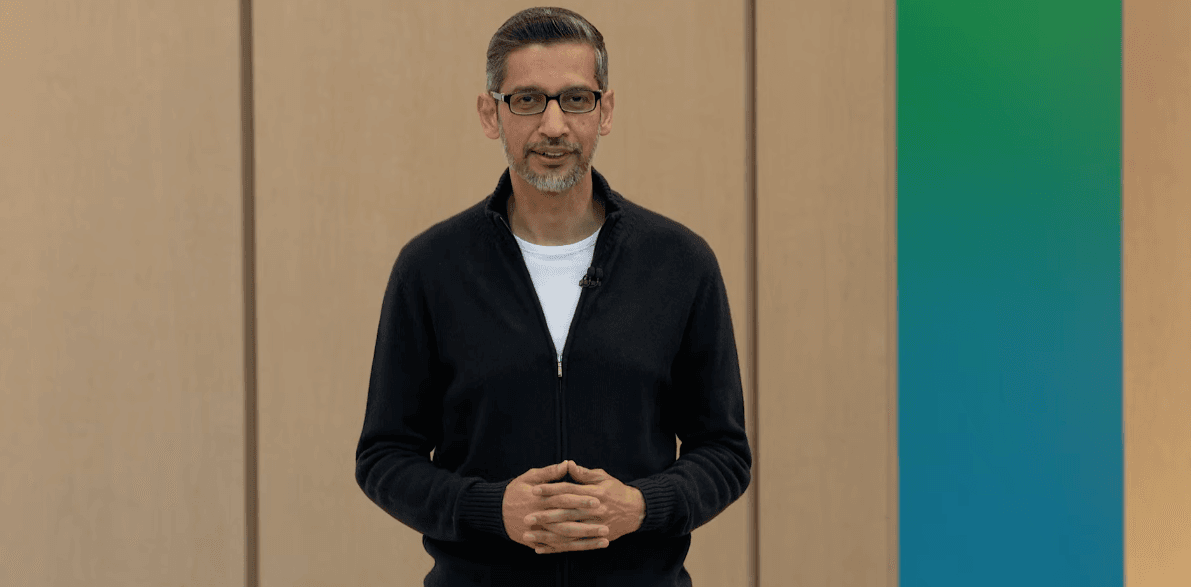
In a dramatic turn of events over the weekend, Google CEO Sundar Pichai faced significant backlash during his commencement address at Stanford University, his alma mater. Reports indicate that around 200 graduates walked out in protest, while others expressed their discontent through loud booing.
Why the Protests Occurred
The heart of the protest centered on Google’s controversial defense contracts, particularly Project Nimbus. This $1.2 billion initiative, conducted in partnership with Amazon, provides cloud and AI services to the Israeli military. Additionally, activists voiced concerns regarding Google’s ties with the U.S. Immigration and Customs Enforcement (ICE) agency.
Vivid signs carried by students showcased slogans like “ICE SPIES WITH GOOGLE AI,” “GENOCIDE RUNS ON GOOGLE,” and “FREE FREE PALESTINE.” Video footage shared online shows students waving Palestinian flags and chanting “free Palestine,” amplifying their message of dissent.
Organizers and Their Statements
The walkout was coordinated by several campus activist groups, including Stanford Students for Justice in Palestine, No Tech for Apartheid, and Tech for Liberation. A statement from the organizers emphasized their refusal to support companies they believe fuel violence, asserting, “We are walking out because we refuse to glorify the corporations that fuel this violence and exercise our power to choose differently.”
Wider Context of Protests Against Google
As the conflict in Gaza intensifies, Google has faced escalating protests both inside and outside of the company regarding its participation in Project Nimbus. Just last year, Google terminated 28 employees who protested the contract, yet internal discontent remains palpable. The Electronic Frontier Foundation recently criticized Google and other tech firms for seemingly ignoring the implications of their technology’s use in such conflicts.
Project Nimbus also garners backing from Amazon, while Microsoft has faced scrutiny for its own support of the Israeli military, although it has since imposed limitations on how its technology may be used in these contexts.
Business Leaders React to the Protest
The student protests did not escape criticism from some business figures. Vinod Khosla, a well-known venture capitalist and co-founder of Sun Microsystems, took to social media to label the protest as “biased, idiotic, short-sighted and very selfish.” He argued that the demonstrators overlooked the potential benefits of AI for the “bottom 3 billion people” globally, instead prioritizing their own interests.
The Future of AI and Student Sentiment
Pichai’s experience at Stanford reflects a larger trend seen at graduation ceremonies across the country, where speakers advocating for AI advancements face skepticism. However, the targeted nature of the protests aimed at Pichai underscores a growing sentiment among young people who see AI not just as a technological leap, but as a potential threat to their job prospects and societal structures.
Conclusion: The Ongoing Debate
The events at Stanford highlight a significant clash between corporate interests and societal ethics, particularly in relation to technology’s role in geopolitics. As the conversation around AI and its implications for society evolves, students and activists will continue to challenge tech giants like Google on the impact of their business practices.