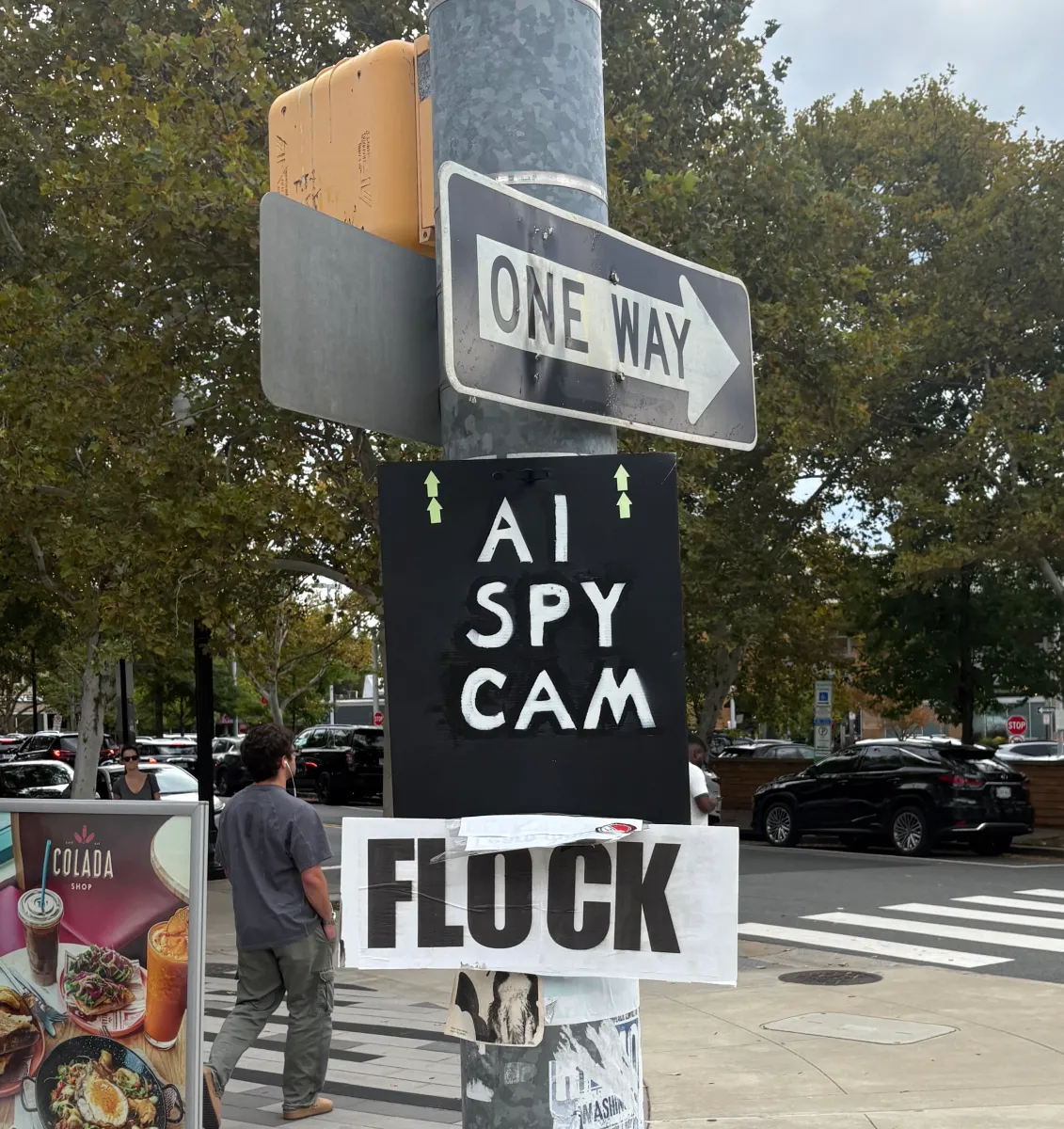
Flock Safety’s voluntary employee buyout programme was followed by reports that the surveillance technology company planned to reduce its workforce by about 18%, or roughly 270 jobs, by the end of October 2026. The reports came as the Atlanta-based company faced growing criticism over its automated license plate readers, data-sharing practices and the potential misuse of its surveillance network.
The distinction between the two steps is important. In September, Flock offered employees a voluntary separation package. In October, Reuters reported that around 270 positions would be cut after that programme. Flock publicly described the initial offer as voluntary and said it was intended to position the company for its next phase of growth. The company did not provide a detailed public explanation of the reported workforce reduction.
What Flock Safety offered employees
WIRED reported on September 18, 2026 that Flock had opened a Voluntary Separation Program for employees who wanted to leave. According to an internal email reviewed by the publication, applications were open until October 2, with decisions expected on October 9. Most accepted employees were expected to leave by October 29, although some could be asked to stay longer for a transition period.
The package was described internally as the company’s most generous severance offer to date. WIRED reported that it included several months of health coverage and a longer period to exercise stock options than employees typically received when resigning. The precise terms could vary by employee, and the reported package details should not be treated as a universal entitlement.
Flock spokesperson Paris Lewbel told TechCrunch that the programme was voluntary, not a layoff, and was intended to help position the business for its next phase. The company did not publicly confirm the number of employees who accepted the offer.
Reports of a further workforce reduction
On October 9, Reuters reported that Flock planned to reduce its workforce by approximately 18%, affecting around 270 of its roughly 1,500 employees. The report said the reductions would follow the voluntary buyout programme and that affected employees were expected to leave by the end of October. TechCrunch also reported the planned reduction and quoted Flock’s statement describing the earlier separation offer as voluntary.
These figures were reported by news organisations citing people familiar with the plans. They were not a detailed workforce breakdown published by Flock. It is therefore more accurate to describe the 270 positions as a reported plan than to imply the company issued a full official layoff announcement with a confirmed final headcount.
Why Flock faced pressure from customers and communities
Flock sells automated license plate recognition cameras and related software to law enforcement agencies and businesses. The system can capture vehicle plate information and associated images as vehicles pass cameras. Investigators may use those records to search for vehicles connected to an incident, but the scale and retention of this data have raised questions about privacy, access controls, accuracy and oversight.
WIRED reported that dozens of cities had ended or declined to renew contracts, while community groups and privacy advocates challenged the spread of the network. The concerns include how long records are retained, which agencies can search them, whether information is shared across jurisdictions and what safeguards prevent searches for personal reasons.
Flock has argued that its technology helps public safety agencies investigate crime. That claimed benefit does not remove the need for clear legal limits, independent oversight, accurate records and effective controls against misuse.
Concerns about police access and misuse
Investigations by news organisations have documented cases in which officers allegedly used license plate reader systems for purposes unrelated to legitimate police work. The Washington Post reported in October on former and current law enforcement personnel retaining or sharing access to Flock’s network after their official roles changed, including alleged searches involving former partners and acquaintances.
Such cases raise a basic governance issue: access should end when a person’s role or authority ends, and every search should be attributable to an authorised user with a legitimate purpose. Agencies need individual accounts, prompt removal of former users, multi-factor authentication, audit logs and regular reviews of unusual search activity.
Flock has said it was taking steps to strengthen access controls, including removing improper accounts and requiring multi-factor authentication. These measures are important, but public agencies should independently verify that controls are implemented and consistently enforced.
Legal and policy pressure on automated license plate readers
Flock’s business has also become part of a wider debate over how governments should regulate automated license plate recognition. Florida enacted restrictions on the use of automated license plate readers on state highways in 2026, citing privacy concerns. This should not be confused with a nationwide ban on Flock or a blanket prohibition on every local deployment.
Local governments have taken different approaches. Some have allowed contracts to expire, while others have paused deployments, reviewed data-sharing arrangements or demanded stronger safeguards. A decision by one city or state does not automatically apply to every agency using the technology.
Legal challenges also test whether large-scale vehicle tracking complies with constitutional and state privacy protections. The outcome depends on the facts, the applicable law and the specific government practices being challenged.
How the backlash affected company morale
Flock chief executive Garrett Langley said on the All-In podcast that the biggest damage from the controversy had been to internal morale. That comment offered a rare public indication of how the criticism was affecting employees, not just customer relationships.
For workers, the debate creates difficult questions about the social impact of the products they build and maintain. Some employees may support the company’s public-safety mission, while others may be uncomfortable with surveillance practices or the way the technology is used by customers. A voluntary separation programme gives employees a choice, but it does not resolve the underlying concerns about product governance.
What the workforce changes mean for Flock’s business
A reduction in staff can lower costs, but it may also affect product development, customer support, security operations and the company’s ability to respond to public concerns. The impact depends on which teams are affected and whether Flock retains the expertise needed to maintain its camera network and software.
The company had raised substantial venture funding and reached a multibillion-dollar valuation in 2026. A high private valuation does not guarantee revenue stability or protect a company from customer cancellations, legal costs, security incidents or changes in public policy.
Flock’s next challenge is not simply to reduce its headcount. It must demonstrate that its systems are secure, that customer access is properly governed, that data is used within clear limits and that communities have meaningful ways to question deployments.
What law enforcement agencies and local governments should review
Public agencies considering or renewing an automated license plate reader contract should evaluate the system as a sensitive surveillance database, not just a camera purchase. A careful procurement and oversight review should address:
- Purpose limitation: Define which investigations and legal purposes justify a search.
- Retention: Set a clear deletion schedule and explain exceptions for evidence preservation.
- Access control: Use individual accounts, multi-factor authentication and prompt removal of former personnel.
- Auditability: Log searches and regularly review unusual patterns, bulk queries and access outside normal duties.
- Data sharing: Publish which agencies can access records and what approval is required for cross-jurisdiction searches.
- Accuracy and correction: Establish procedures to investigate incorrect plate reads and document resulting actions.
- Public transparency: Disclose deployment locations, contract terms, policies and aggregate usage where legally possible.
- Independent review: Require periodic security and privacy assessments, with a process for suspending access when safeguards fail.
Frequently asked questions
Did Flock Safety offer voluntary employee buyouts in 2026?
Yes. WIRED reported that Flock opened a voluntary separation programme in September 2026, with an application deadline of October 2.
How many Flock employees were reportedly affected?
Reuters reported that the company planned to reduce its workforce by about 18%, or roughly 270 employees, from a workforce of approximately 1,500.
Was the programme described as a layoff by Flock?
No. Flock’s spokesperson described the September separation offer as voluntary. Reuters later reported a planned workforce reduction following that programme.
Why was Flock facing public backlash?
Criticism focused on privacy, the scale of license plate collection, data-sharing practices, security controls and reported misuse of surveillance access.
Does Florida’s 2026 action ban all Flock cameras?
No. The reported state action restricted automated license plate readers on state highways. It should not be described as a nationwide or universal ban on local systems.
Will the workforce reduction affect Flock’s services?
Flock has not published a detailed impact assessment. The effect will depend on which teams and functions are affected and how the company manages support, security and product operations.
Sources: WIRED: Flock Offers Employees Buyouts as Customers Flee, September 18, 2026; Reuters: Flock Safety to cut several hundred jobs amid backlash, October 9, 2026; TechCrunch: Surveillance company Flock cuts staff as privacy backlash grows, October 9, 2026; The Washington Post: Investigation into continued access to Flock’s surveillance network, October 21, 2026; WIRED coverage of Flock Safety and license plate reader oversight.