Breakthrough in 3D Metal Printing: Freeform Secures $67 Million Investment
Tech investors are still optimistic about revolutionizing the manufacturing of physical products, much like the coding of software. This vision is gaining momentum as Freeform announces a significant $67 million Series B funding round to enhance its innovative 3D printing platform designed for metal components.
In an interview with TechCrunch, executives from Freeform revealed the financial support from notable investors including Apandion, AE Ventures, Founders Fund, Linse Capital, NVIDIA’s NVentures, Threshold Ventures, and Two Sigma Ventures. While Freeform has not publicly disclosed its post-financing valuation, sources like Pitchbook estimate it at around $179 million.
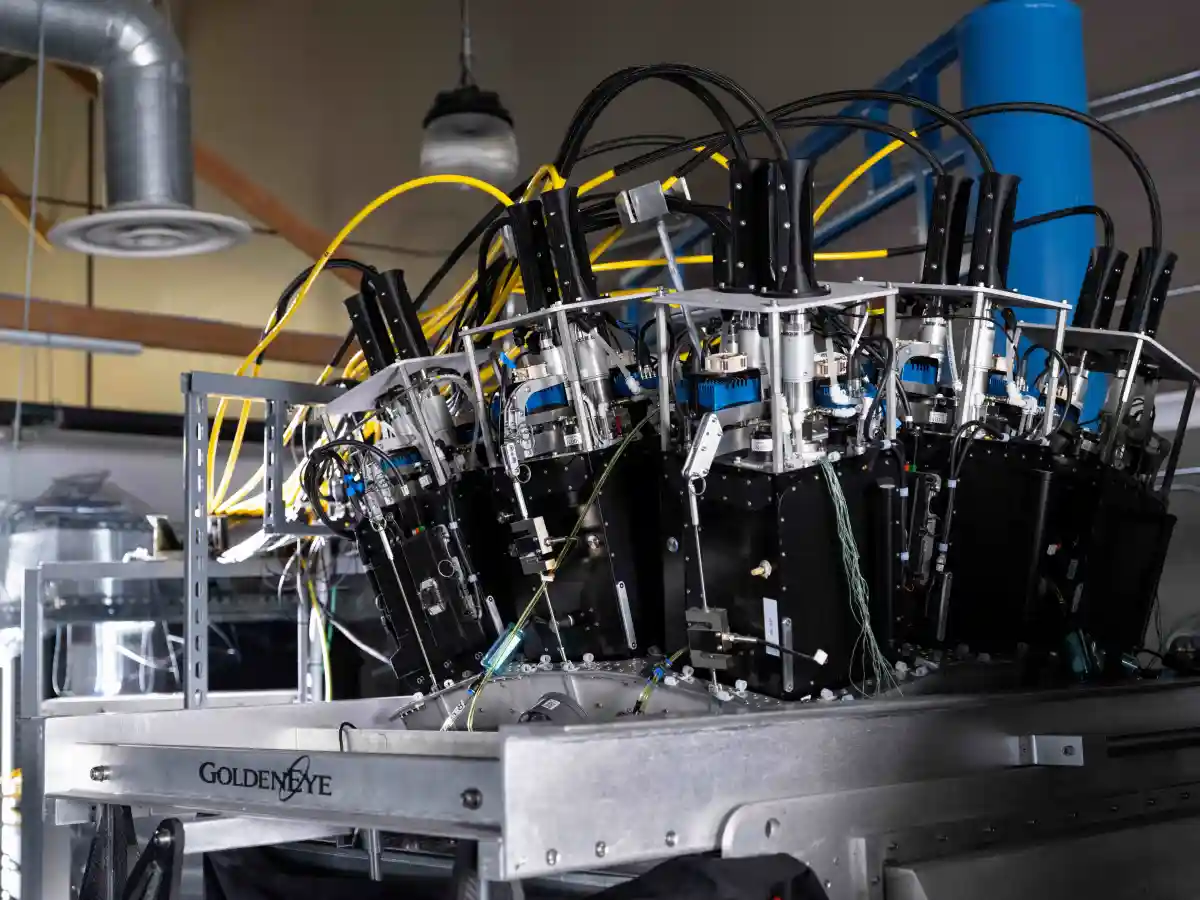
CEO and co-founder Erik Palitsch stated that this funding will be pivotal in upgrading their existing GoldenEye printing system, which currently integrates 18 lasers to create precision metal components. The forthcoming model, called Skyfall, aims to vastly improve production capabilities by employing hundreds of lasers to generate thousands of kilograms of metal parts daily.
A Vision Born from Experience at SpaceX
The foundation of Freeform was laid in 2018 when Palitsch and co-founder/president Thomas Ronacher crossed paths while developing rocket engines at SpaceX. They discovered that existing industrial machines for metal printing were costly, temperamental, and poorly suited for mass production applications. Thus, they founded Freeform with a goal to construct a platform that prioritizes higher throughput and flexibility, underpinned by advanced software controls.
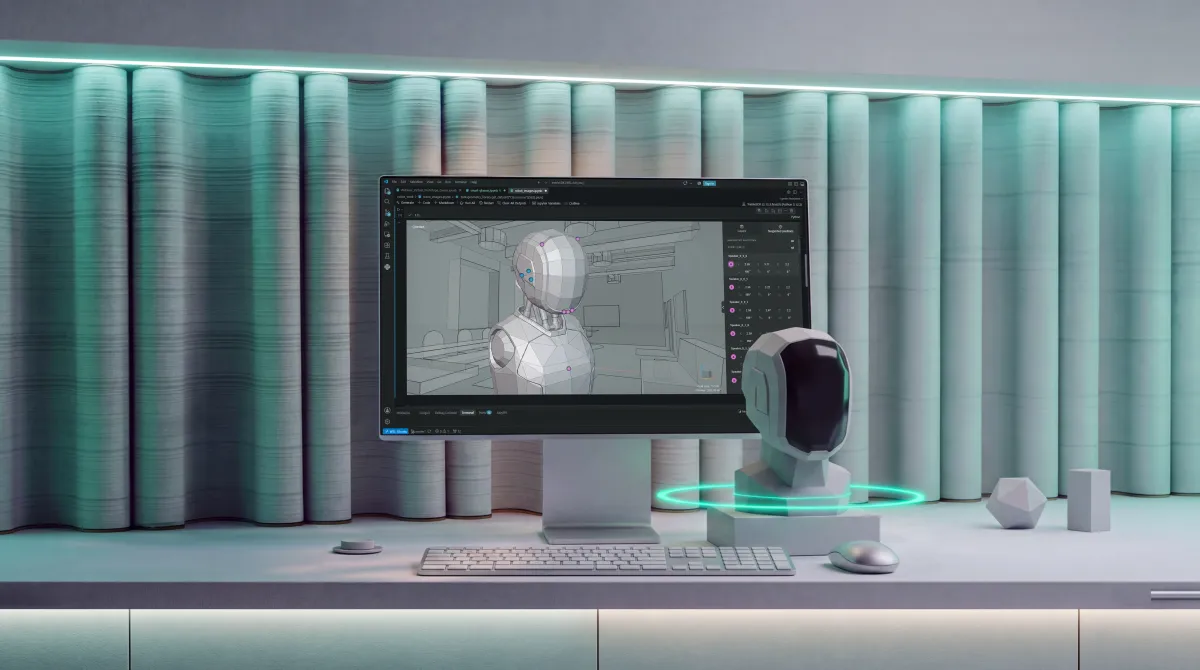
According to Palitsch, Freeform’s platform is “AI native,” enhanced by a partnership with NVIDIA to leverage advanced graphics processing units (GPUs). This collaboration enables them to conduct real-time physics-based simulations that optimize every aspect of the manufacturing workflow. “We’re running real-time physics-based simulations and learning all the different aspects of the end-to-end manufacturing workflow,” Palitsch remarked.
Revolutionizing Metal Printing Quality
The data harvested from the sensors embedded in Freeform’s manufacturing platform—and during simulated runs—facilitates continual enhancements in production quality and efficiency. Cameron Kay, head of talent at the company, emphasizes that they possess unparalleled data regarding the physics of metal-printing processes, putting them ahead of the competition.
Although specific customer information remains undisclosed, Palitsch confirmed that Freeform is already supplying hundreds of mission-critical parts to various buyers. With the newfound funding, the company is gearing up to hire as many as 100 new employees and expand its facility to tackle a growing backlog of contracts.
The Rise of Manufacturing-as-a-Service
The concept of manufacturing-as-a-service is gaining traction as venture investors increasingly invest in solutions for building vehicles, robots, and energy production systems. For instance, companies like Hadrian have attained a whopping $1.6 billion valuation while developing automated production systems for defense applications. Similarly, rivals like VulcanForms and Divergent have successfully raised substantial funding for their own metal-printing ventures.
Freeform’s journey and recent funding exemplify the evolving landscape of manufacturing technology, where speed and efficiency are not merely goals but achievable realities. It remains to be seen how these advancements might further change the industry trajectory, but with committed investments, innovative technologies, and a rich data-focused approach, Freeform is well-positioned to lead the way.