Even Healthcare Secures $50 Million to Revolutionize Indian Healthcare System
Even Healthcare has successfully raised $50 million in a Series B funding round, led by Khosla Ventures, as the Indian startup aims to transform the community’s healthcare dynamics. Its goal is to reshape how hospitals generate income and how physicians are compensated in the world’s most populous country.
This all-equity round also included contributions from Alpha Wave and positioned the startup’s valuation at an impressive $300 million—three times what it was just 18 months ago. The funding increases Even’s total investment to over $120 million.
Traditionally, hospitals in India benefit financially from unnecessary tests, procedures, and extended patient stays, even when these are not warranted. Even seeks to change this model by championing patient care over unnecessary treatments that inflate medical bills.
Khosla Ventures, which has supported Even since its seed round in 2021, continues to back the startup as it expands to build and operate its own hospitals. This strategic move aims to provide Even greater control over patient care and associated costs.
Vinod Khosla, founder of Khosla Ventures, emphasizes that Even’s strategy transcends merely addressing existing issues in a fragmented healthcare system. By integrating financing, technology, and healthcare delivery, the aim is to reward enhanced health outcomes rather than increased healthcare service usage.
“The clinical and economic results so far give us conviction that this can become an important new model for healthcare in India and beyond,” Khosla stated.
Originally, Even relied on partner hospitals for member treatment. However, co-founder Mayank Banerjee stated that the startup soon recognized the flaws in that approach, noting that patients were often subjected to unwarranted procedures and tests.
“Patients experience poor service, and insurers receive an unsatisfactory economic return. We decided to address this by constructing our own hospitals,” Banerjee explained to TechCrunch.
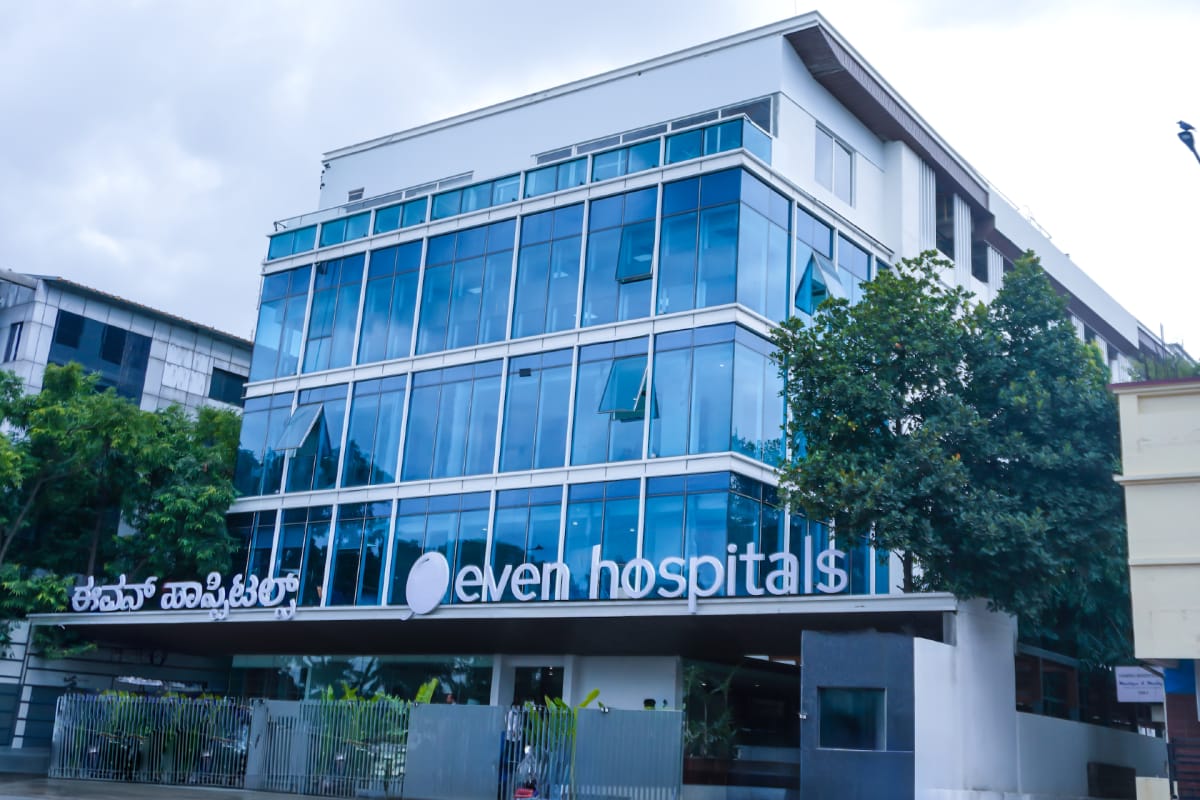
So far, Even has established two hospitals in Bengaluru, both achieving operational profitability within a year of opening, excluding depreciation costs. The startup intends to launch five more facilities in the city over the next six months, funded by the latest investment.
Banerjee mentioned that Even leases hospital buildings on 20-year agreements and allocates funds for outfitting and procuring medical equipment.
In a departure from typical healthcare practices, Even’s doctors are paid fixed salaries rather than commissions based on the volume of procedures. While doctors can earn bonuses based on patient-reported outcomes, their compensation doesn’t incentivize unnecessary treatments.
This philosophy extends to the management teams, where compensation is not linked to procedure numbers. Instead, managers receive salaries plus company-wide incentives, while marketing focuses on attracting patients rather than generating revenue.
Every employee, including medical staff, is offered equity in Even to foster long-term investment in the company’s success, as opposed to a focus on increasing medical bills.
Even’s revenue largely comes from patient treatment payments, along with partnerships with insurers. The startup is also collaborating with insurance partners on a model that could allow for compensation based on hospitalizations it prevents, rather than incentives for just providing more treatments.
Banerjee revealed that Even employs established medical scoring systems to track patient recovery post-treatment. For example, the Oxford Knee Score is used to evaluate pain and mobility after knee surgeries. The results are transparently published on their website for comparison with other healthcare systems.
Even reports an unplanned readmission rate of less than 1%, significantly lower than the industry standard of 8% to 15%. Patients reportedly spend 40% less time in the hospital, and Even’s approach is estimated to have saved insurers over ₹500 million (approximately $5.27 million).
Jai Sajnani, a partner at Khosla Ventures, remarked that Even’s early successes played a crucial role in the firm’s decision to lead this funding round. “We look forward to helping the Even team provide quality healthcare that’s accessible to every family in Bengaluru and across India,” he stated.
Despite these advancements, Even is currently operating at a loss, having reported a net loss of ₹902 million (around $9.50 million) for fiscal 2025, a rise of nearly 25% from the previous year, with revenues amounting to ₹272 million (approximately $2.86 million).
In August, the company laid off about 350 employees, a decision that Banerjee described as challenging yet necessary. Affected staff were offered severance, extended healthcare benefits, and expedited equity vesting.
Currently, Even employs around 650 individuals, including about 300 full-time doctors. The startup has served approximately 250,000 members and has facilitated over 750,000 patient interactions since its inception in 2021, encompassing consultations, tests, and surgeries.
Banerjee is optimistic about Even’s future profitability, noting that halting expansion could lead to break-even numbers within months. However, the startup is prioritizing growth. “For now, our focus is on expanding and serving more patients,” he concluded.
For more insights into healthcare innovations and updates, visit Axom Live.