AI: A Job Creator or a Job Stealer? Jensen Huang Weighs In
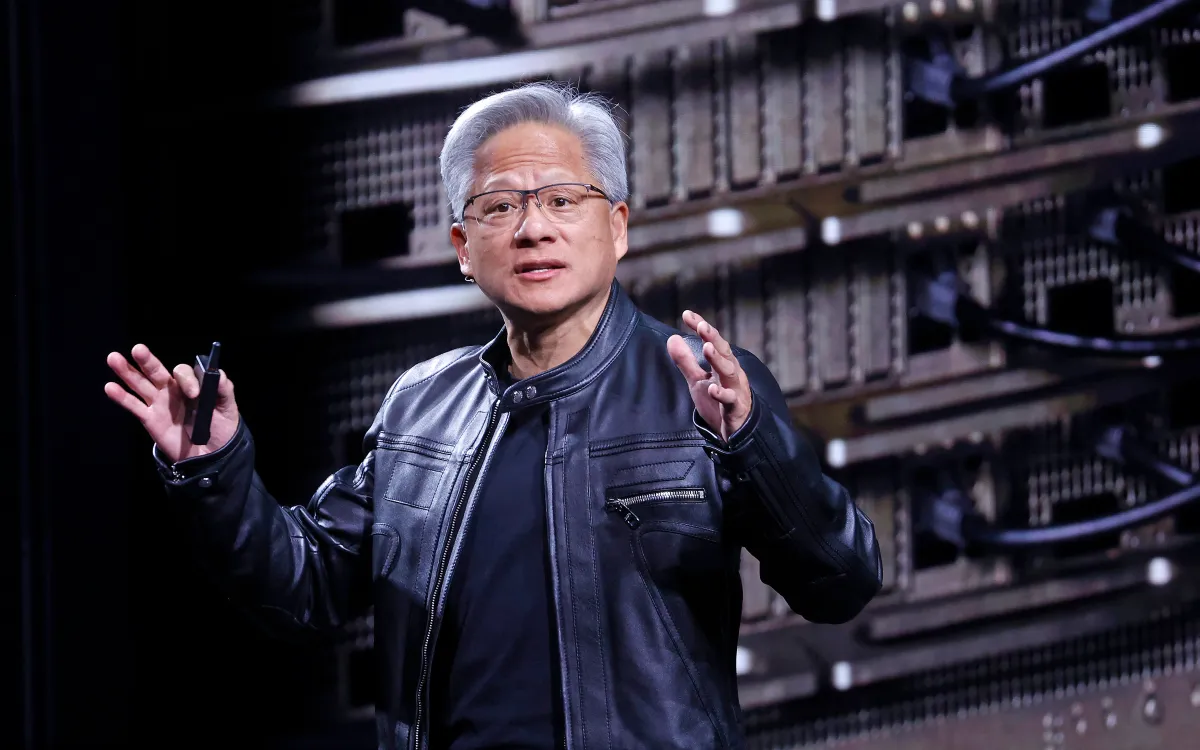
In a recent discussion, Nvidia CEO Jensen Huang reassured American workers about the impact of artificial intelligence (AI) on employment. During a conversation with MSNBC’s Becky Quick, hosted by the Milken Institute, Huang emphasized that AI is more likely to generate jobs than to cause widespread unemployment.
Addressing Economic Concerns
The event touched on various topics, but a recurring theme was the economic anxiety surrounding AI. Quick raised a pressing question: “This is happening so quickly. Is there a bigger dislocation than we’ve seen in the past that leads to greater inequality? And what do we do about that?” Huang responded with optimism, asserting that “AI creates jobs” and representing the U.S.’s chance to re-industrialize.
The Industrial Transformation Driven by AI
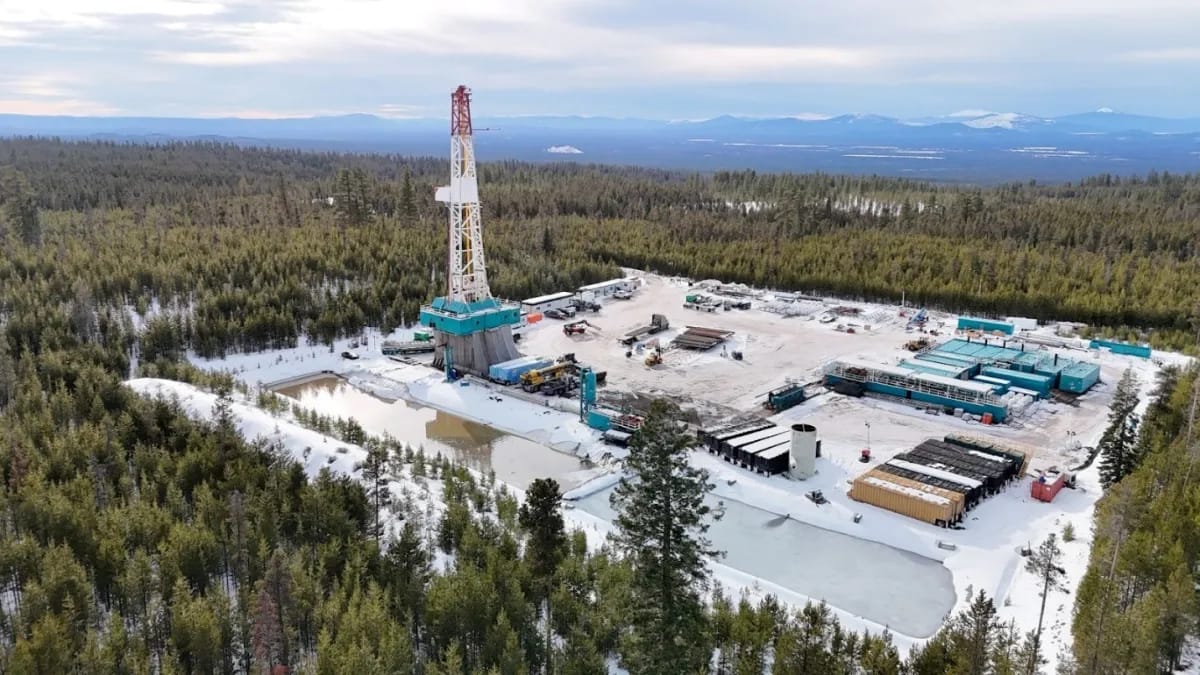
Huang highlighted the emergence of new types of factories that produce hardware essential for the AI industry—factories that require a workforce to thrive. While he acknowledged that some tasks may be automated, he argued that this does not equate to entire jobs being replaced. According to Huang, the essential functions that individuals perform within organizations are likely to endure, even as specific tasks evolve.
Misperceptions of AI’s Capabilities
Huang criticized the narratives propagated by “AI doomers” who claim that AI could dominate humanity or obliterate entire economic sectors. He expressed worry that such fear-mongering could lead to public disengagement with AI. “My greatest concern is that we scare…people—all the people that we’re telling these science fiction stories to, to the point where AI is so unpopular in the United States, or people are so afraid of it, that they don’t actually engage it,” he stated.
The Dual Nature of AI Concerns
Interestingly, much of the “doomer” rhetoric seems to have sprung from within the AI industry itself. Critics argue that exaggerations about AI capabilities act as a marketing strategy to create buzz and excitement around products that may not live up to those claims. As Huang pointed out, while AI does pose potential risks, it also presents significant opportunities for job creation.
Looking Ahead: The Future of Jobs in an AI World
The long-term impact of AI on the economy remains uncertain. However, reputable financial and academic organizations have estimated that up to 15% of jobs in the U.S. could be at risk of elimination in the upcoming years due to advancements in AI technology. As we navigate this evolving landscape, continuous dialogue will be essential to mitigate fears and leverage the transformative potential of AI.
As AI continues to shape the future, finding the balance between innovation and job security will be paramount. To gain more insights into technological advancements, you can refer to Axom Live.
For further context on AI and its implications, check out related articles from various reputable sources such as Wikipedia and industry reports.