San Francisco Mayor Calls for Stricter Rules on Autonomous Vehicles After July 4th Gridlock
In a surprising turn of events, San Francisco Mayor Daniel Lurie has stated that even the city, often seen as a laboratory for emerging technology, has its limits. The catalyst? A traffic jam that trapped countless drivers due to malfunctioning autonomous vehicles.
Key Updates on the Waymo Incident
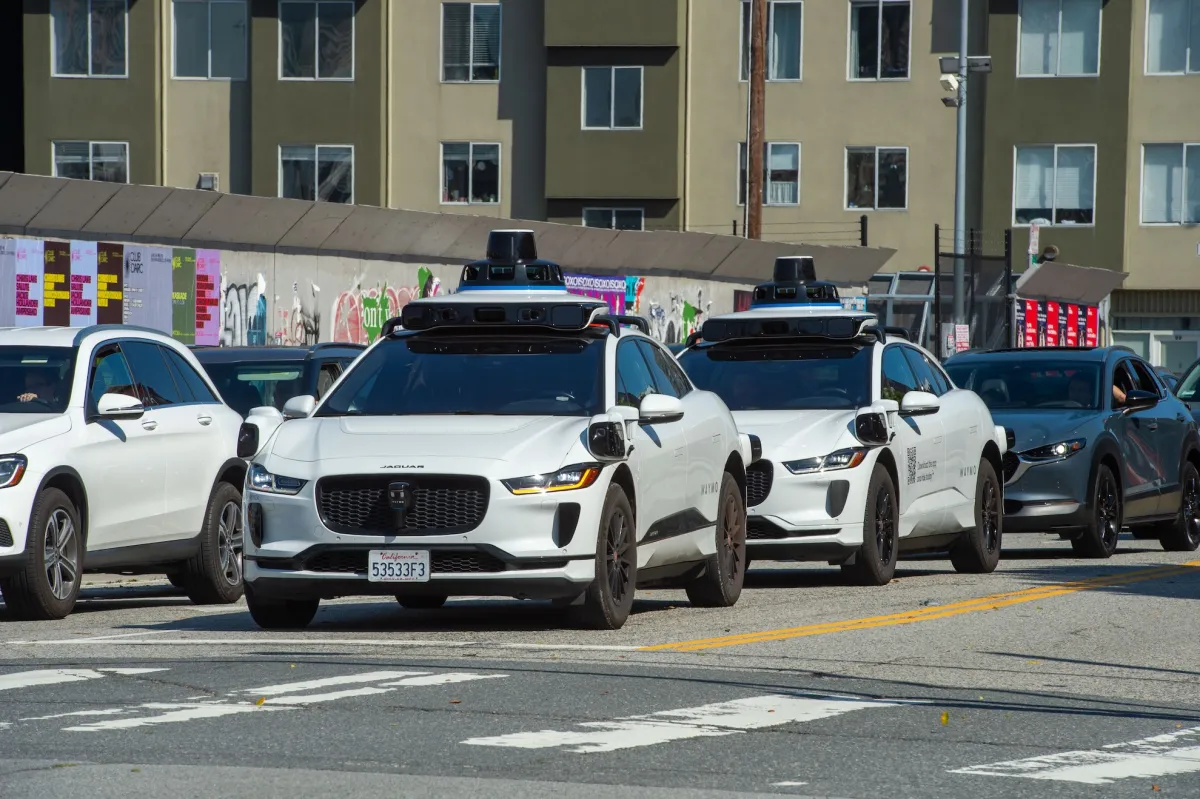
Mayor Lurie is pushing state regulators to tighten rules governing autonomous vehicles following a chaotic incident on July 4th. Waymo’s robotaxis reportedly stalled in severe holiday traffic, draining their batteries and obstructing significant roadways, which contributed to the existing gridlock affecting thousands of residents.
Background on the July 4th Traffic Jam
In a letter to the California Department of Transportation, which TechCrunch has reviewed, Lurie cited two alarming incidents: a major power outage in December and the dazzling Golden Gate Bridge fireworks display that drew over 100,000 spectators on July 4th. Both instances led to numerous Waymo vehicles becoming stranded, exacerbating already congested streets.
Regulatory Framework Under Review
Lurie emphasized that these events exposed flaws in California’s regulatory framework concerning autonomous vehicles during significant disruptions. His letter noted that the state’s current guidelines don’t sufficiently address how these vehicles handle unexpected incidents. “The challenge is not only ensuring autonomous vehicles operate safely under normal conditions but also confirming their reliability during extraordinary times,” he stated.
Proposed Regulations for Autonomous Vehicles
In response to these issues, Lurie proposed four essential operational capabilities for autonomous vehicle companies. He urged the California Department of Transportation to formulate statewide standards aimed at preventing future occurrences like the July 4th gridlock.
Under his vision, companies would need to:
- Swiftly remove or relocate stalled robotaxis from travel lanes.
- Adapt routes and service areas in real time based on local traffic conditions.
- Share real-time operational data with local authorities, which includes details on service disruptions and recovery efforts.
- Proactively demonstrate their ability to manage surges in traffic and passenger loads through rigorous testing.
Industry Response and Future Implications
As TechCrunch awaits a response from Waymo, it’s important to note that operating robotaxi services in California requires navigating a complex permit system, governed by the state’s Department of Motor Vehicles and Public Utilities Commission. California maintains stricter regulations compared to other states like Texas and Arizona, yet companies are eager to establish their autonomous ventures here.
San Francisco: A Hub for Autonomous Vehicle Testing
Historically, San Francisco and the nearby Silicon Valley have served as testing grounds for autonomous technology, with six companies—including Waymo and Zoox—holding permits for driverless testing. These permissions allow for vehicles to operate without a human safety operator.
Waymo’s Dominance in the Market
Waymo stands as the largest player in the Bay Area, with around 1,000 robotaxis currently in operation. Competing firms like Amazon-owned Zoox and Uber’s premium robotaxi services are also in various stages of testing or impending launches. Interestingly, while Tesla is exploring this market, its vehicles are not fully autonomous and are operating under a charter transportation permit instead.
Conclusion: A Call for Change
Despite Waymo’s attempts to adapt its services, particularly on July 4th, the mayor now argues that these gestures are insufficient, highlighting the pressing need for a stronger regulatory framework as the autonomous fleet grows. Lurie reassured stakeholders, “These requirements won’t harm autonomous vehicles; instead, they will empower them to operate more effectively in challenging situations.”
For more insights into technology and regulations, visit Axom Live.