How AI is Revolutionizing Patient Referrals in Healthcare
In an era where discussions about artificial intelligence (AI) often center on diagnostics and drug discovery, a critical aspect of patient care is frequently overlooked: the referral process. A significant bottleneck exists between a primary care physician’s referral and the actual scheduling of specialist appointments. This gap is so substantial and inefficient that it has caught the attention of venture capitalists, highlighting a pressing need for innovative solutions.
The Founders’ Personal Experiences
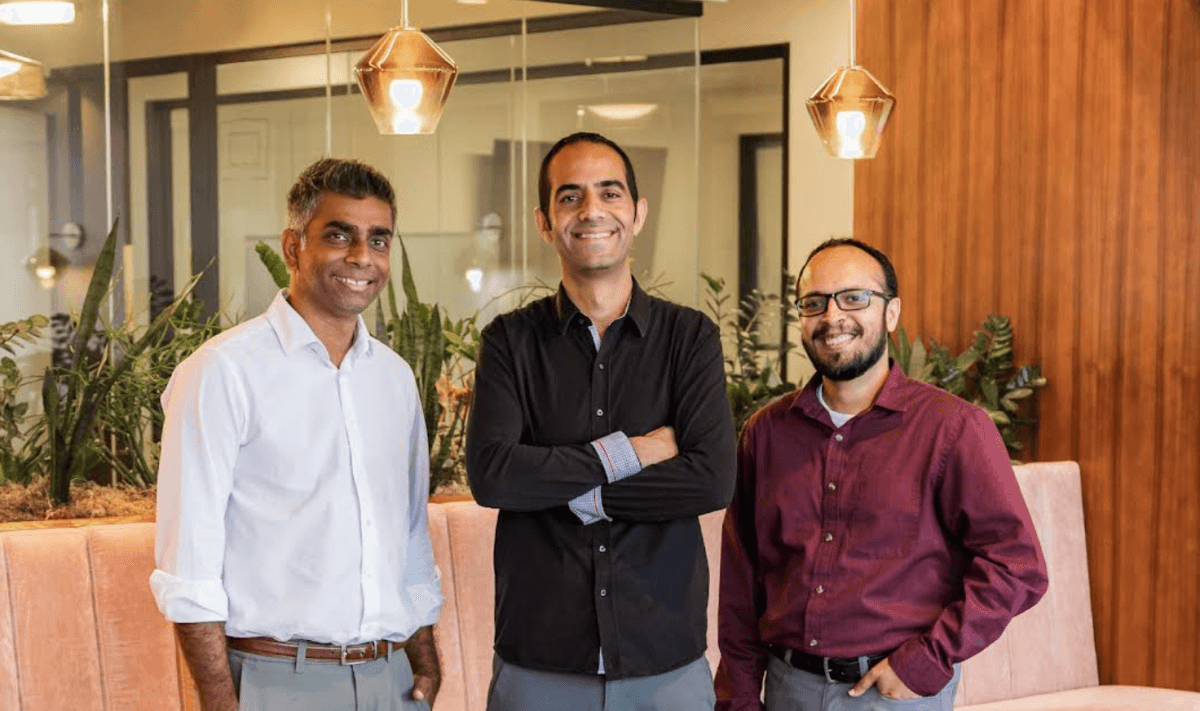
The friction in the referral system became apparent to Kaled Alhanafi and Chetan Patel, co-founders of Basata. Alhanafi, a former Lyft executive, and Patel, who previously worked at Medtronic, each faced challenges navigating these systems when it mattered most: for their loved ones.
For Patel, the urgency hit home during a family flight when his wife fainted. Despite his extensive knowledge of cardiology and medical devices, the administrative hurdles delayed her access to necessary care. “We have excellent doctors and medicines, yet the care gap remains vast,” he remarked.
Alhanafi had a similar experience with his father’s cardiac care. After a severe diagnosis, his father was referred to three cardiology groups, but only one office even reached out within weeks. The third office still hasn’t made contact.
A System Burdened by Manual Processes
These frustrating experiences are becoming all too common. Many specialty practices are buried under an administrative load, processing hundreds, if not thousands, of referral documents—most still sent by fax—yet staffed by small teams. This leads to a tragic reality: patients often slip through the cracks not due to a lack of interest from specialists, but because the intake process is so backlogged.
Basata’s Innovative Approach
Launched two years ago in Phoenix, Basata aims to close this referral gap. When a referral is received—still often by fax—Basata’s system instantly reads and processes the information. An AI voice agent then directly contacts the patient to schedule the appointment. This innovation has garnered positive reactions, with patients often surprised by how quickly they receive follow-up communication after a referral.
Patients also have the option to reach out 24/7, accessing an AI agent for questions or routine tasks like prescription renewals. Alhanafi envisions a system where a patient can secure an appointment before leaving the parking lot after visiting their primary care doctor.
A Tailored Solution for Specific Specialties
Basata is making strides by integrating its technology with electronic medical record systems specific to certain specialties, carefully prioritizing cardiology first, followed by urology. The company aims to ensure its solutions are effective before expanding further. Their revenue model is usage-based, charging practices based on the number of documents processed and calls handled. To date, Basata has managed referrals for around 500,000 patients, with a notable uptick of 100,000 in just the last month.
Attracting Venture Capital Interest
With growing recognition of its impact, Basata has raised a total of $24.5 million, including a recent $21 million Series A funding round led by Lan Xuezhao of Basis Set Ventures, along with participation from Cowboy Ventures and Victoria Treyger, a former general partner at Felicis Ventures.
Competition is Heating Up
As the healthcare tech landscape becomes increasingly competitive, startups like Tennr and Assort Health are also seeking to revolutionize patient interactions and document processes. Tennr, for instance, has raised more than $160 million and is valued at about $605 million, focusing heavily on document intelligence.
The Future of AI in Healthcare
While Basata’s contributions are impressive, the question of AI’s role in replacing or augmenting human workers remains. For now, administrative staff are not focused on job displacement; they struggle under overwhelming workloads. Alhanafi notes that many of these employees have decades of experience and are besieged by constant volume that even a substantial hiring effort couldn’t alleviate.
The founders believe that AI won’t render these positions obsolete but instead enable these workers to focus on more meaningful tasks. Their traction, evidenced by 70% of new deals arising from word-of-mouth referrals, suggests that solving these persistent problems resonates well within the industry.
Looking Ahead
With Alhanafi, Patel, and Vivin Paliath leading Basata, the aim remains clear: to improve the patient experience by bridging gaps in the healthcare system. Their success could pave the way for further innovations in patient care and administrative efficiency across the specialty practices.