
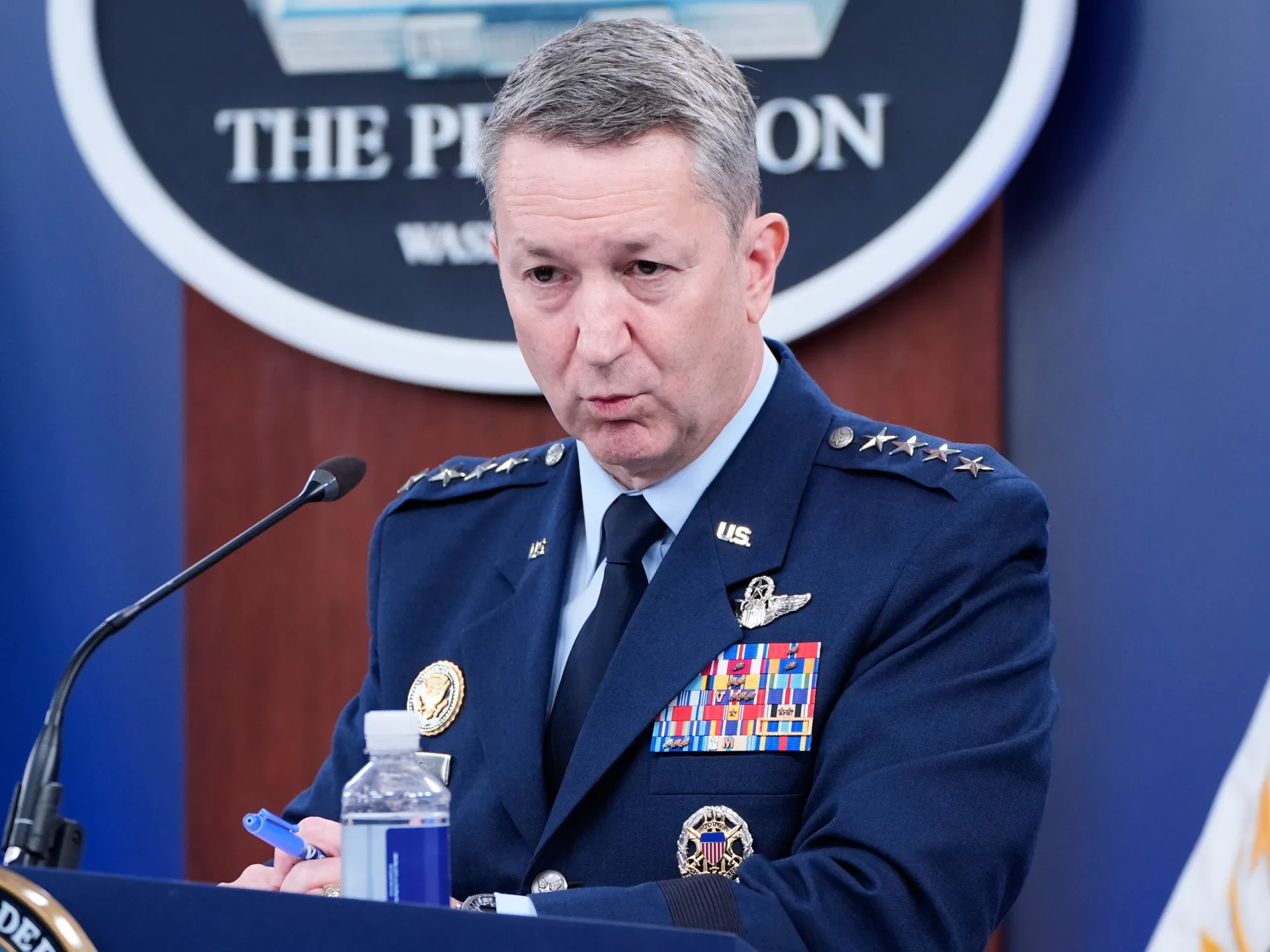
The recent visit of the United States’ top military officer to Puerto Rico underscores the escalating tensions between the U.S. and Venezuela. This trip coincides with one of the largest naval deployments in the Caribbean in decades, primarily focused on alleged anti-drug operations. Amid increasing military presence, the U.S. aims to exert pressure on Venezuela over its purported involvement in drug trafficking.
General Dan Caine, the chairman of the Joint Chiefs of Staff, met with U.S. troops stationed in Puerto Rico and aboard a Navy warship on Monday. His office emphasized that the visit was intended to recognize service members for their commendable efforts in regional missions. This marks Caine’s second trip to the Caribbean region since the Pentagon expanded military operations, including the deployment of the USS Gerald R. Ford, the U.S. Navy’s largest aircraft carrier.
During his previous visit, U.S. Defense Secretary Pete Hegseth remarked that the Marines are “on the front lines of defending the American homeland.” The intensified military activity includes approximately 15,000 U.S. personnel in the Caribbean, including 5,000 based in Puerto Rico. Together with these operations, Washington has ramped up joint exercises with Trinidad and Tobago, specifically targeting drug trafficking and violent crime.
Strategic Military Operations and International Repercussions
The ongoing U.S. military operations are set against a backdrop of heightened scrutiny of Venezuela’s alleged drug-related activities. The Trump administration is considering additional measures against Caracas, including notable maritime strikes. These strikes have reportedly resulted in fatalities, although evidence regarding the actual presence of narcotics on the targeted vessels remains unverified. Legal experts have raised concerns, suggesting these actions could contravene international law.
News reports indicate that President Trump has expressed intentions to engage directly with Venezuelan President Nicolas Maduro on an unspecified date, reflecting the ongoing diplomatic complexities in the region. The administration has classified the Cartel de los Soles, or “Cartel of the Suns,” as a foreign terrorist organization (FTO). This designation represents a significant escalation in U.S. efforts to apply pressure on Caracas.
Controversy Surrounding the Cartel Designation
Despite the label, the Cartel de los Soles has drawn criticism for not functioning as a conventional cartel. The U.S. government alleges that this network comprises high-ranking Venezuelan officials, including Maduro, involved in narcotics trafficking into the United States. However, Venezuela has dismissed this characterization as unfounded and exaggerated, claiming it serves merely as a justification for U.S. intervention.
Foreign Minister Yvan Gil and Oil Minister Delcy Rodriguez have vocally criticized the U.S. designation, describing it as an attempt to vilify Venezuela and its resources. According to these officials, the U.S. seeks to control Venezuela’s vast oil, gold, and diamond reserves without compensation. InSight Crime, a foundation analyzing organized crime, contends that the narrative surrounding the Cartel de los Soles oversimplifies the complexity of corruption within the Venezuelan political system.
Domestic Debate on Military Action
The increasing militarization of U.S. policy toward Venezuela has sparked debate within the United States itself. Recent polling by Reuters indicates that only a small percentage of Americans—29%—support extrajudicial killings of suspected traffickers without judicial oversight. This divide prompts concerns over the legitimacy and ethical implications of U.S. military actions abroad.
Officials have often refrained from specifying which groups they believe are linked to the vessels targeted by U.S. strikes. Defense Secretary Hegseth has hinted that the new FTO designation may allow for broader military options against Caracas, though he emphasized that nothing was certain. Sanctions experts have argued that the FTO designation alone does not grant authority for military intervention.
Venezuelan Response and Regional Implications
As tensions rise, the Venezuelan government continues to reject allegations of criminal involvement and accuses the U.S. of pursuing regime change. Maduro’s administration argues that the U.S. harbors designs on Venezuela’s natural resources, asserting that the current military maneuvers are a guise for interventionist policies.
The international community is closely watching the unfolding situation as diplomatic and military pressures mount. The complexities surrounding the U.S.-Venezuela relationship illustrate the challenges of addressing drug trafficking amid geopolitical strife. The stakes are high, both for the regional stability and for the larger implications of international law and order.
Conclusion: Navigating a Complex Landscape
The U.S. military’s expanded role in the Caribbean is set against a contentious backdrop involving Venezuela’s alleged drug trafficking operations. As debates swirl around the implications of military intervention and the legitimacy of U.S. actions, both nations find themselves navigating a complex landscape filled with geopolitical tension and ethical dilemmas. Ongoing diplomatic discussions may ultimately shape the future course of U.S.-Venezuela relations.