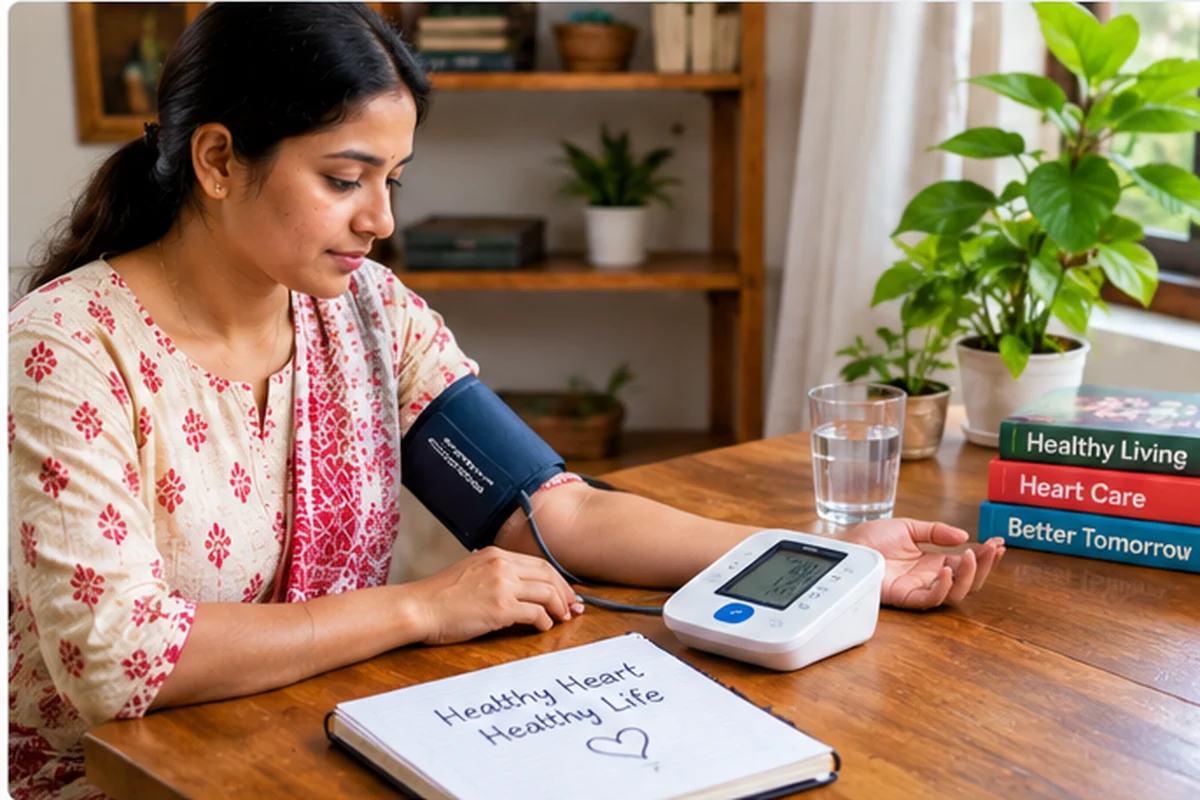
A report that says “Grade 1 fatty liver” can be worrying, but it is not a diagnosis of liver failure or cirrhosis. Grade 1 usually describes a mild level of fat-related change seen on ultrasound. It does not tell you whether there is liver inflammation or scarring, so the next step is to review the report alongside your health history, blood tests and metabolic risk factors.
Doctors increasingly use the term metabolic dysfunction-associated steatotic liver disease (MASLD) instead of the older term non-alcoholic fatty liver disease (NAFLD). The Indian National Association for the Study of the Liver (INASL) adopted the updated terminology in 2025. Fat can build up in the liver for different reasons, including metabolic conditions, alcohol, some medicines and other liver diseases, so the cause should not be assumed from an ultrasound alone.
What is fatty liver disease?
Fatty liver, medically called hepatic steatosis, means that excess fat has accumulated inside liver cells. When it occurs with cardiometabolic risk factors such as abdominal obesity, type 2 diabetes, high blood pressure or abnormal blood fats, and the clinical criteria are met, doctors may classify it as MASLD.
MASLD is a spectrum. Some people have fat accumulation without significant inflammation or scarring. Others develop metabolic dysfunction-associated steatohepatitis (MASH), the newer name for what was previously called NASH. MASH can cause liver-cell injury and inflammation, and some people may gradually develop fibrosis (scarring), cirrhosis or related complications. Having a fatty liver does not mean that this progression will happen.
MASLD can also coexist with other causes of liver disease. Alcohol intake, hepatitis B or C, certain medicines and less common conditions may need consideration. Be open with the doctor about alcohol, supplements and all medicines, including over-the-counter and traditional products.
What does Grade 1 fatty liver on ultrasound mean?
Ultrasound reports often describe fatty change as Grade 1 (mild), Grade 2 (moderate) or Grade 3 (severe). Grade 1 generally means the liver looks mildly brighter than expected because of fat accumulation. It is a description of the ultrasound appearance, not a complete assessment of liver health.
Grade 1 does not mean stage 1 fibrosis. Steatosis grading and fibrosis staging measure different things. A routine ultrasound can show fat, but it cannot reliably identify liver inflammation or determine how much scar tissue is present. A person with Grade 1 steatosis may have little fibrosis, while another person with a less striking ultrasound may still need fibrosis assessment because of diabetes, abnormal blood tests or other risk factors.
Ultrasound also has limitations. It may miss small amounts of fat, particularly when steatosis is mild. The INASL statement notes that conventional ultrasound generally detects steatosis only after the fat content has reached a level of roughly one-third of the liver tissue. Therefore, a normal ultrasound does not always exclude early fatty change.
Radiology wording and grading can vary. Ask the treating doctor to interpret the report rather than treating the grade as a stand-alone measure of severity or as a reason to start a “liver detox”.
What causes fatty liver in India?
MASLD is closely linked with metabolic health, but it is not limited to people who have obesity. It can occur in people who appear slim, including those with abdominal fat, insulin resistance or other metabolic risk factors.
- Abdominal weight gain and excess body fat: particularly fat around the waist, which can be associated with insulin resistance.
- Prediabetes and type 2 diabetes: raised blood glucose and insulin resistance increase the risk.
- High triglycerides or abnormal cholesterol: blood-fat changes often occur alongside fatty liver.
- High blood pressure: hypertension is one of the cardiometabolic factors considered in MASLD assessment.
- Low physical activity and dietary patterns: frequent sugary drinks, excess added sugar, highly processed foods and low activity can contribute to metabolic risk.
- Alcohol: alcohol-associated liver disease and metabolic fatty liver can overlap. The doctor needs an accurate history rather than relying on the label “non-alcoholic”.
- Other causes: hepatitis B or C, certain medicines, rapid weight changes and less common metabolic or genetic conditions may cause or contribute to fat in the liver.
For Indian adults, the INASL MASLD statement recognises cardiometabolic risk criteria that take account of Indian populations. These include overweight or central obesity, raised glucose or diabetes, raised blood pressure, high triglycerides and low HDL cholesterol. The doctor will assess the full picture rather than using one measurement in isolation.
Does Grade 1 fatty liver cause symptoms?
Most people with early fatty liver have no symptoms. The finding is often discovered incidentally during an abdominal ultrasound or blood tests done for another reason. Some people report tiredness or vague discomfort in the upper-right abdomen, but these symptoms are not specific and can have many other causes.
Do not wait for symptoms before discussing a fatty liver finding. Metabolic risks and fibrosis can require assessment even when you feel well. Equally, tiredness or abdominal discomfort alone cannot confirm fatty liver.
Which tests may be needed after an ultrasound?
The right tests depend on your age, symptoms, medical history, alcohol intake, medicines and metabolic risk factors. Not everyone needs every investigation. A doctor may consider the following:
- Liver blood tests: ALT, AST, alkaline phosphatase, bilirubin, albumin and sometimes other tests help assess liver injury and function. Normal ALT and AST do not, by themselves, rule out significant fibrosis.
- Complete blood count and platelet count: platelet results may contribute to a fibrosis-risk calculation and help the clinician interpret the wider picture.
- Blood sugar tests: fasting glucose and HbA1c can identify prediabetes or diabetes. An oral glucose tolerance test may be appropriate in selected situations.
- Lipid profile: cholesterol and triglyceride results help assess cardiometabolic risk.
- Blood pressure, weight and waist measurement: these are useful parts of the overall metabolic assessment. They should be interpreted sensitively and in context.
- Tests for other liver conditions: depending on the history, the doctor may check for hepatitis B or C, iron overload, autoimmune liver disease or another cause of abnormal liver tests.
A liver-function panel is not a fibrosis test. Someone can have normal liver enzymes and still require a fibrosis-risk assessment, especially if they have type 2 diabetes, abdominal obesity with additional metabolic risks, persistent liver-test abnormalities or imaging evidence of steatosis.
What is the FIB-4 score?
FIB-4 is a calculation that uses age, AST, ALT and platelet count to estimate the likelihood of advanced liver fibrosis. It is not a separate blood test and it does not diagnose fatty liver or prove that scarring is present. It helps clinicians decide whether someone is likely to be at low risk or needs a second assessment.
Guidelines commonly recommend a stepwise approach: a blood-based score such as FIB-4 first, followed by liver elastography when the score, risk factors or clinical findings suggest that further assessment is needed. Cut-offs depend on age and clinical context, and FIB-4 is less reliable in some age groups, including younger adults. Do not interpret a score without a clinician reviewing the details.
When is FibroScan or liver elastography needed?
FibroScan is a type of transient elastography. It uses a probe placed against the skin to estimate liver stiffness, which can help identify people at higher risk of significant fibrosis. Many FibroScan services also report a controlled attenuation parameter (CAP), which estimates liver fat.
It is not automatically necessary for every person with Grade 1 fatty liver. It may be considered when FIB-4 is not clearly low, when diabetes or multiple metabolic risk factors are present, when liver enzymes remain abnormal, or when the doctor needs to clarify the risk of fibrosis. Other types of ultrasound elastography or, in selected cases, MRI-based assessment may also be used.
Liver biopsy is not routinely required for everyone with fatty liver. A specialist may consider it when non-invasive tests disagree, another liver disease is suspected, or a definite diagnosis of MASH and its severity is important for management.
What should you do if your report says Grade 1 fatty liver?
- Book a clinical review: take the complete ultrasound report and any recent blood results to a qualified doctor. The report alone cannot tell the full cause or risk.
- Review metabolic health: ask whether blood sugar, blood pressure, cholesterol, weight distribution and other risk factors need assessment.
- Discuss fibrosis risk: ask whether a FIB-4 calculation or elastography is appropriate based on your health profile.
- Review alcohol and medicines: tell the doctor how much alcohol you drink and list prescription medicines, painkillers, supplements and herbal products. Do not stop prescribed medicines on your own.
- Make sustainable changes: focus on regular physical activity, balanced meals, better sleep and avoiding sugary drinks rather than crash diets or unverified “liver cleansing” products.
- Agree on follow-up: the timing of repeat blood tests, imaging or fibrosis assessment depends on the initial risk evaluation, not just the words Grade 1.
Food choices that support liver health
No single food can remove liver fat. A consistent eating pattern that supports blood glucose, cholesterol and a healthy weight is more useful than a strict short-term diet. Practical choices using familiar Indian foods can include:
- Vegetables: include a variety of seasonal vegetables, leafy greens, gourds, beans and other non-starchy vegetables in regular meals.
- Whole fruit: choose whole fruit more often than fruit juice. Juice and sweetened drinks can deliver a large amount of sugar without the same fibre.
- Fibre-rich staples: use appropriate portions of whole grains, oats, millets, whole-wheat roti, brown rice or other minimally processed grains according to preference and availability.
- Protein foods: include dal, beans, chana, rajma, soy foods, eggs, fish, curd or other suitable protein sources.
- Unsaturated fats: use cooking oils in moderate amounts and include nuts or seeds where suitable. Ghee, butter and deep-fried foods should not become the main sources of fat.
- Limit sugary and ultra-processed items: reduce sweetened tea or coffee, soft drinks, packaged juices, sweets, bakery products and frequent deep-fried snacks.
Portion sizes matter, but extreme restriction is not necessary. People with diabetes, kidney disease, pregnancy or other medical needs may need an individual food plan from a qualified dietitian or clinician. For more on food quality, see our guide to ultra-processed foods and healthier choices.
How much exercise and weight loss can help?
For adults with MASLD who have overweight, sustained weight reduction can lower liver fat and improve other features of liver injury. The EASL-EASD-EASO guideline describes targets of at least 5% weight loss to reduce liver fat, around 7–10% to improve liver inflammation, and at least 10% to improve fibrosis. These are population-level treatment targets, not a requirement for every individual, and results vary.
People who are not overweight can still benefit from better diet quality and regular movement. Do not pursue rapid weight loss or prolonged fasting without medical advice.
Build toward at least 150 minutes per week of moderate-intensity physical activity, such as brisk walking, cycling or swimming, if your health allows. Add muscle-strengthening activity on two or more days each week. Start at a level you can maintain and increase gradually. Even short walks after meals and reducing long periods of sitting can help improve overall metabolic health.
Should you stop alcohol or take liver supplements?
Tell your doctor honestly about alcohol intake because it can change the assessment and the advice. Reducing alcohol is an important part of liver-health management; people with advanced fibrosis or cirrhosis should follow specialist advice, which generally includes complete abstinence.
“Liver detox” drinks, herbal mixtures and over-the-counter supplements are not proven cures for MASLD. Some supplements can interact with medicines or cause liver injury. Major guidelines do not recommend nutraceuticals as a routine treatment for MASLD because evidence of benefit and safety is insufficient. Check with a doctor or pharmacist before using a product advertised for liver cleansing.
Can Grade 1 fatty liver be reversed?
Liver fat can decrease when the underlying metabolic and lifestyle factors improve. Many people can improve steatosis through sustainable dietary changes, physical activity, weight management where appropriate, and better control of blood sugar, blood pressure and blood lipids. The amount of improvement varies, and an ultrasound grade alone cannot confirm whether inflammation or fibrosis has improved.
Do not judge progress only by how you feel or by one repeat scan. Your clinician may follow metabolic measures, liver blood tests and fibrosis risk over time. The right interval depends on your risk profile and initial assessment.
When should you seek urgent medical care?
Fatty liver in its early stages usually does not cause emergency symptoms. However, seek urgent medical assessment if you develop yellowing of the eyes or skin, vomiting blood, black tar-like stools, new confusion or unusual drowsiness, rapidly increasing abdominal swelling, or severe abdominal pain with fever or repeated vomiting. These symptoms can indicate a serious liver or other medical problem and should not be attributed to a mild ultrasound finding.
Frequently asked questions about fatty liver
Is Grade 1 fatty liver dangerous?
Grade 1 usually describes mild fat accumulation on ultrasound. It is not the same as cirrhosis or fibrosis stage 1. It should still be followed up because the underlying cause and risk of scarring cannot be established from the ultrasound grade alone.
Can a thin person have fatty liver?
Yes. Fatty liver can occur in people who are not overweight. Abdominal fat, insulin resistance, diabetes, blood-fat abnormalities, genetics, alcohol and other causes may contribute. A normal body weight does not rule it out.
Are normal liver enzymes enough to rule out liver damage?
No. ALT and AST can be normal even when fibrosis is present. A doctor may use clinical risk factors and a non-invasive score such as FIB-4, followed by elastography when appropriate.
Does an ultrasound Grade 1 report mean I need a FibroScan?
Not always. The decision depends on factors such as diabetes, abdominal obesity, blood-test results, age and other clinical findings. Ask the treating doctor whether a fibrosis-risk assessment is needed.
Can lemon water, apple cider vinegar or herbal drinks cure fatty liver?
No drink has been proven to cure MASLD. Unsweetened drinks can be part of a healthy routine, but they do not replace metabolic assessment, a balanced diet, physical activity or medical follow-up. Some herbal products can harm the liver.
Should I stop my cholesterol or diabetes medicine because I have fatty liver?
No. Do not stop prescribed medicines without speaking to the prescriber. Controlling diabetes, cholesterol and blood pressure is an important part of reducing overall health risk in people with MASLD.
Trusted medical resources
| Resource | What it covers |
|---|---|
| INASL: Adoption of the MASLD nomenclature in India (2025) | Indian clinical context, metabolic risk factors and the updated terminology. |
| EASL-EASD-EASO Clinical Practice Guideline (2024) | Risk assessment, FIB-4, elastography, lifestyle and management recommendations. |
| NIDDK: How fatty liver disease is diagnosed | Blood tests, imaging, elastography and when biopsy may be considered. |
| NIH: Metabolic dysfunction-associated steatotic liver disease | Patient-friendly overview of causes, diagnosis and risk assessment. |
| Evidence-based MASLD clinical practice guideline (2026) | Recent guidance on fibrosis risk stratification and specialist assessment. |
Medical information notice: This article is for general education and does not replace a medical consultation, diagnosis or individual treatment plan. Test selection and follow-up should be decided by a qualified healthcare professional.