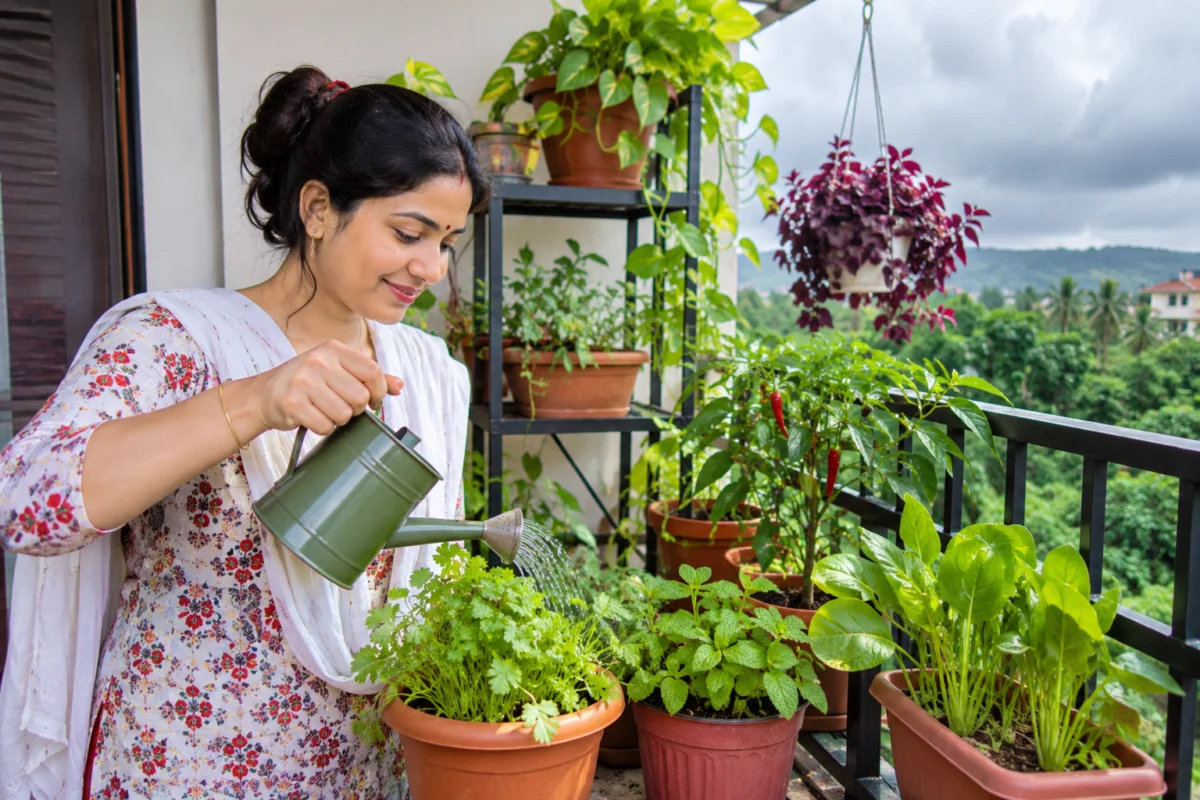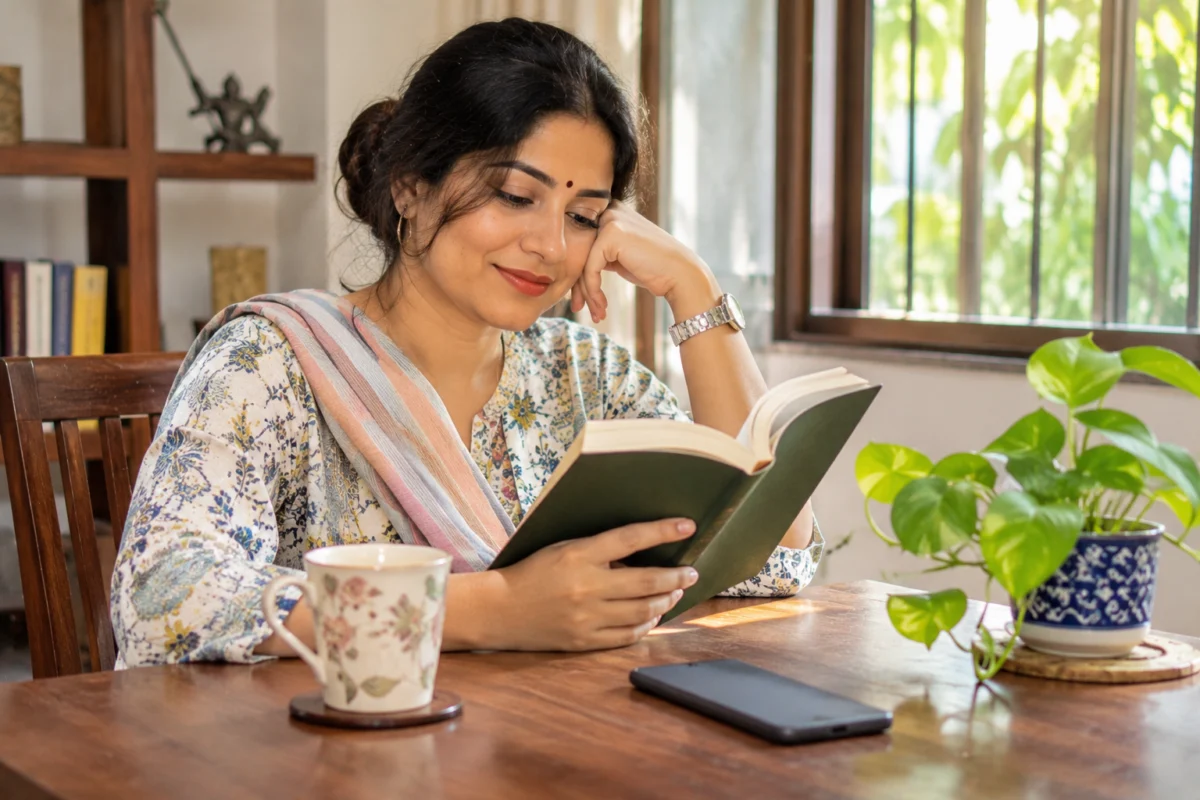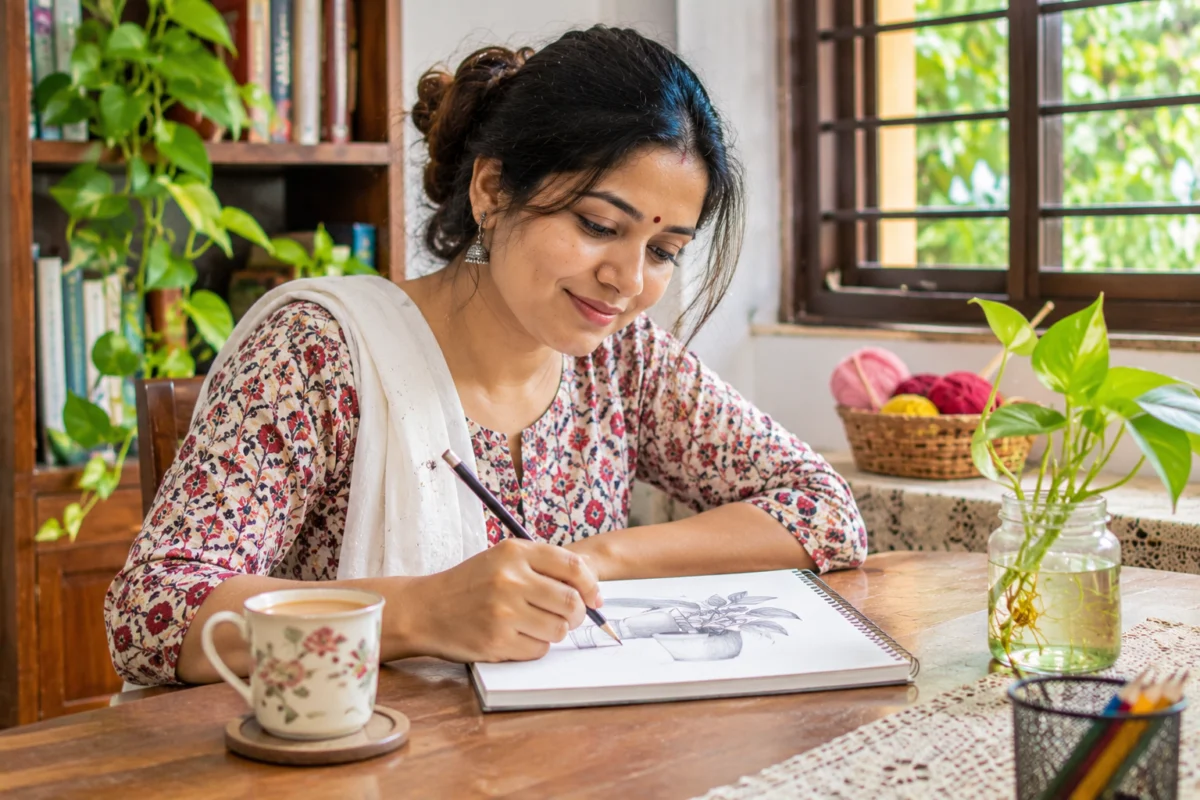
A hobby does not have to be expensive, require a large room or turn into a side business. It can be as simple as reading a few pages, growing coriander in a pot, learning three chords on an instrument or trying a new recipe at the weekend. The best hobby is one you enjoy enough to return to without feeling pressured to be perfect.
If you are looking for affordable hobbies for adults in India, start with activities that use things you already own, can be practised at home and fit into your available time. Here are 10 beginner-friendly ideas, what you need to get started, a first project for each and ways to keep the cost under control.
How to choose an affordable hobby
Before buying supplies, think about the kind of activity you would enjoy. Some people like making things with their hands, while others prefer learning, movement, gardening or quiet activities. Use these questions to narrow your choices:
- What do you enjoy? Choose something you are curious about, not simply what is popular on social media.
- How much space do you have? Reading, journaling, drawing and puzzles need very little room. Gardening can begin with one container near a suitable window or balcony.
- How much time can you give it? A hobby can fit into 10–20 minutes a few times a week. You do not need a long daily session.
- What can you reuse? Old notebooks, cardboard, jars, fabric scraps, kitchen containers and books you already own can reduce the starting cost.
- Would you enjoy doing it alone or with others? Reading and drawing can be solitary, while chess, music, cooking and walking can become shared activities.
- Does it suit your health and ability? Adapt the activity to your eyesight, mobility, energy, allergies and available space. Ask for advice before starting strenuous activity if you have a medical condition or have been inactive for a long time.
A useful rule is to try a hobby with what you have for two or three sessions before buying a full kit. You will learn whether you actually enjoy the activity and which materials you need.
1. Reading: build a small daily reading habit
Reading is one of the easiest hobbies to start because you may not need to buy anything. Begin with books already at home, borrow from a friend or family member, use a local library, or look for legitimate free digital books. Choose a subject you genuinely enjoy: stories, biographies, travel, history, nature, food, technology or personal development.
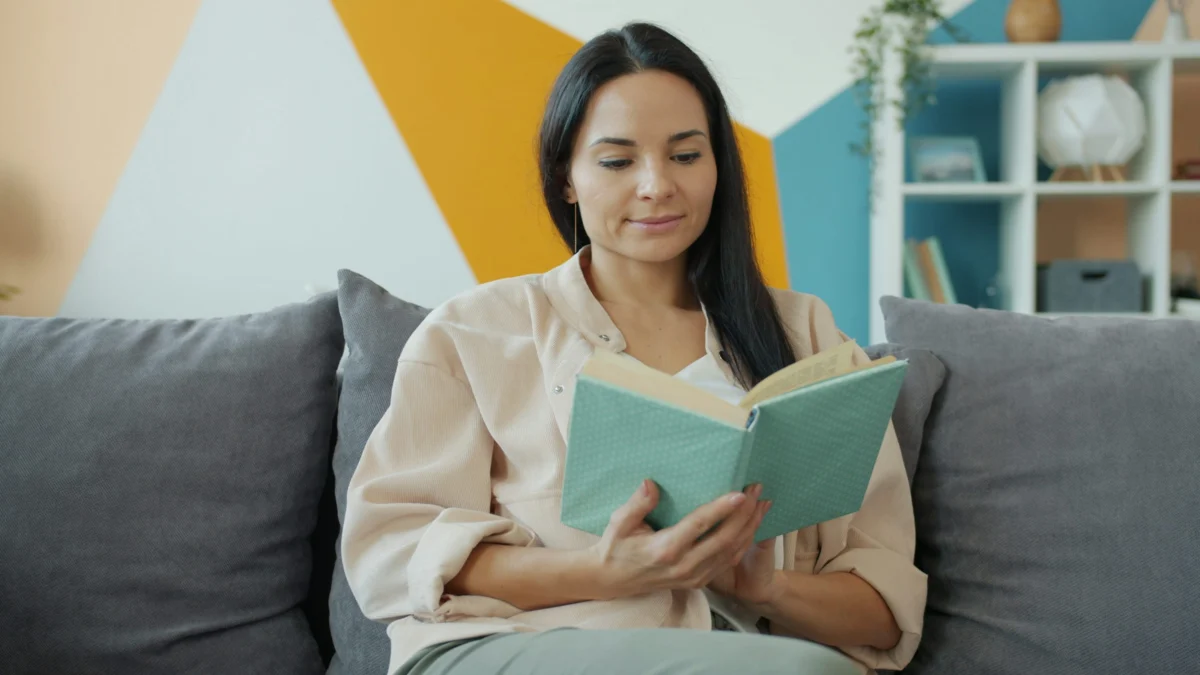
Try this first: choose one short book or a collection of stories and read for 10–15 minutes at a time. Keep a note of one idea, character or passage that stayed with you. If you prefer Assamese, Bengali, Hindi or another language, read in that language rather than forcing yourself to begin with English.
Keep it affordable: borrow before buying, exchange books with friends, explore public libraries and check whether a second-hand book is available in good condition. You do not need a premium e-reader or paid subscription to enjoy reading.
2. Journaling and creative writing
Journaling can be as simple as writing a few lines about your day, recording ideas or keeping a list of things you want to remember. You can also try short stories, poetry, travel notes, family memories, recipes or personal essays. There is no required writing style and you do not have to share what you write.
Try this first: use an old notebook or a notes app. Write for 10 minutes using one prompt, such as “Something new I noticed today”, “A place I want to visit” or “A skill I would like to learn”. Another option is to write a 100-word story using three random words.
Keep it affordable: use spare pages in an existing notebook, write on recycled paper or type on a device you already own. Avoid buying several journals, pens and planners before you know what kind of writing you enjoy.
3. Sketching, drawing and colouring
Drawing is a flexible creative hobby that can be practised in a small space. You can sketch household objects, leaves, flowers, buildings, cups, people or scenes from memory. Beginners can start with pencil and paper; coloured pencils, watercolours and specialised paper can come later.
Try this first: place a cup, fruit or small plant on a table and draw its outline for 10 minutes. Do not worry about making it look realistic. Try drawing the same object again after a week and compare what changed.
Keep it affordable: begin with a regular pencil, eraser and plain paper. Use free beginner lessons from a library or reputable art-education channel. Buy a small set of materials rather than a large professional kit.
4. Knitting, crochet, embroidery and simple mending
Textile crafts are useful hobbies if you like working with your hands and seeing a project develop slowly. Knitting and crochet use yarn and a small number of tools; embroidery can begin with a needle, thread and a piece of fabric. Simple mending, such as sewing on a button or repairing a small tear, is another practical starting point.
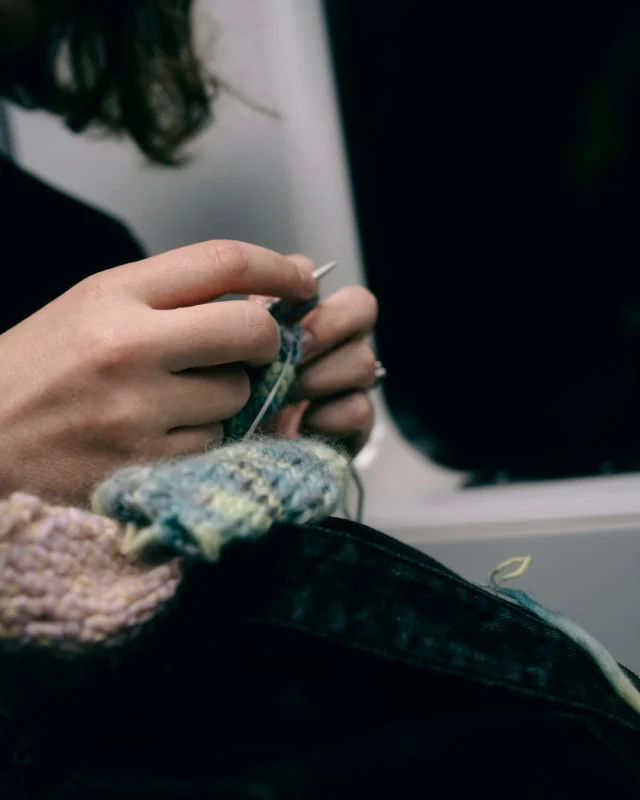
Try this first: practise a few basic stitches on an old, clean piece of cotton fabric. For crochet or knitting, learn one basic stitch and make a small coaster or square before attempting a scarf or garment.
Keep it affordable: use leftover yarn or fabric from an existing project, ask family members for unused supplies or buy only enough material for one small project. Store needles and small tools safely, especially where children are present.
5. Container gardening for balconies and windows
You do not need a garden or a large balcony to enjoy growing plants. A few containers near a suitable source of sunlight can be enough to begin. Depending on your local climate, light and available space, you might try coriander, mint, green chilli, spring onion, tulsi or a small ornamental plant.
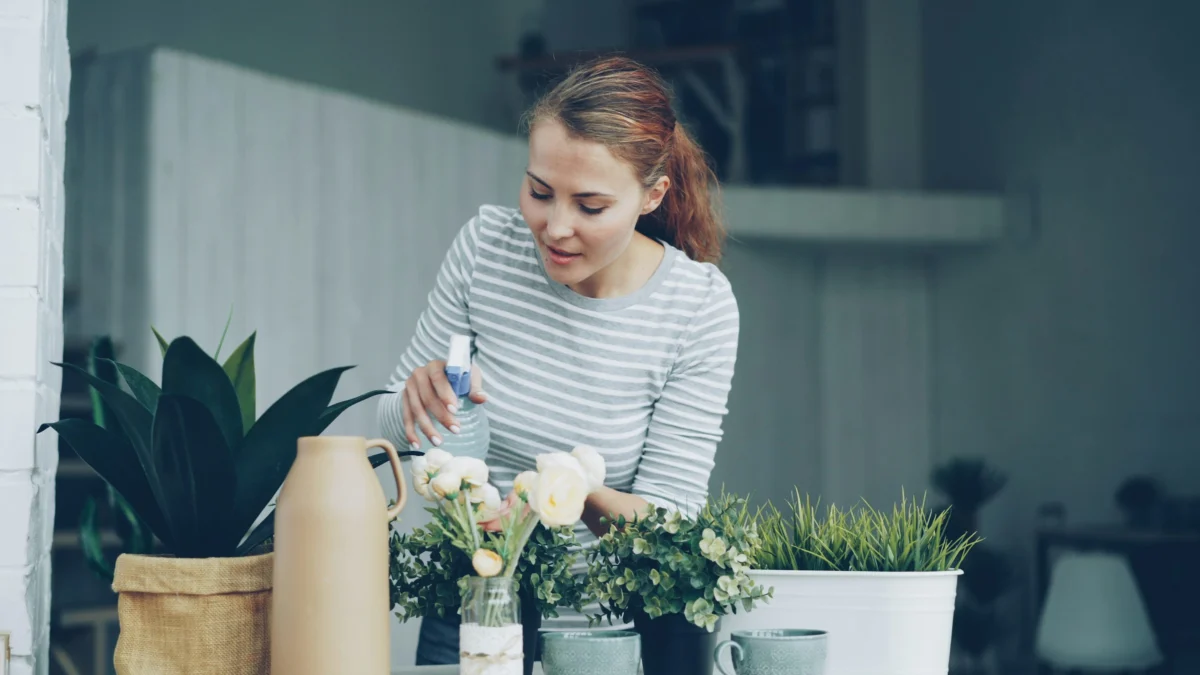
Try this first: choose one plant suited to the amount of sunlight your space receives. Use a container with drainage holes, a suitable growing medium and a place where excess water can drain safely. Follow the plant’s watering needs rather than watering every pot on the same schedule.
Keep it affordable: reuse clean food-safe containers only when you can make appropriate drainage holes and avoid containers that held chemicals. Start with one or two plants. You can learn about composting and seed propagation later.
Check for mosquitoes and standing water around pots and trays, particularly during the rainy season. Keep fertilisers, sharp tools and treated plant products away from children and pets. If you use pesticides, follow the product label and local safety instructions.
6. Home cooking and baking experiments
Cooking can be a creative hobby as well as a useful everyday skill. Rather than buying specialist equipment, choose one technique or ingredient to explore. You could learn to make a regional dish, prepare a new dal, experiment with seasonal vegetables, try a simple bread recipe or improve your knife and food-preparation skills.
Try this first: pick one familiar dish and make a small change, such as testing a different spice combination or learning a new way to prepare a vegetable. Write down what worked so you can repeat it.
Keep it affordable: cook with ingredients already used at home, practise small batches and avoid purchasing appliances for a recipe you have not tried. Follow food-safety practices: wash hands and produce, separate raw and cooked foods, cook ingredients thoroughly and store leftovers safely.
7. Singing or learning a musical instrument
Music can be enjoyed without expensive equipment. You can practise singing, learn rhythm, explore folk songs, improve your sense of pitch or learn a simple instrument you already have access to. If you are interested in Assamese music, you could learn the lyrics and structure of a traditional song or practise a simple folk rhythm.
Try this first: choose one song you like and practise a short section. Record yourself on your phone if you are comfortable doing so, then listen for timing and clarity. For an instrument, learn the names of the parts and practise one basic pattern before attempting a full song.
Keep it affordable: use free lessons and borrow an instrument before buying one. A second-hand instrument may be an option only after you can inspect its condition and confirm that it works. Protect your hearing by keeping headphone and speaker volume at a comfortable level.
8. Dancing and simple movement at home
Dancing can turn music into an enjoyable movement hobby. You can practise a favourite style, learn simple footwork, follow a beginner routine or create your own short sequence. You do not need a studio or specialised clothing; a clear, non-slippery space and comfortable clothes are enough for many beginner routines.
Try this first: choose a song and practise easy steps for five to ten minutes. Warm up gently, keep the floor clear and stop if you feel pain, dizziness or unusual breathlessness. Choose low-impact movements if jumping or fast turns are uncomfortable.
Keep it affordable: use music you already have access to and free beginner lessons. Do not buy a membership or equipment until you have tried the activity enough to know you enjoy it.
Dancing may count towards physical activity when the effort is moderate or vigorous. The CDC recommends that adults aim for at least 150 minutes of moderate-intensity activity each week, or an equivalent combination, along with muscle-strengthening activity on at least two days. Build up gradually and adapt activity to your health and ability.
9. Chess, puzzles and board or card games
Games can make a relaxed hobby for one person, a couple or a family. Chess, sudoku, crosswords, jigsaw puzzles, word games and traditional card or board games offer different types of challenge. You can play with a physical set, borrow one or use a free digital version if you prefer.
Try this first: learn the basic rules of one game and play a short session. For chess, practise how each piece moves before trying full games. For puzzles, begin with a manageable difficulty rather than choosing the largest set available.
Keep it affordable: use printable puzzles from legitimate free resources, borrow a board game or make simple word games with paper. If you play online, set a time boundary so the hobby does not become another unplanned scrolling session.
10. Upcycling, repairing and small DIY projects
Upcycling means finding a useful second life for an item rather than throwing it away. You might turn a clean glass jar into a storage container, organise cables with a simple holder, repair a loose button, make a paper organiser or reuse sturdy cardboard for a project. Start with safe, small tasks rather than complicated electrical or structural repairs.
Try this first: choose one item that is clean and in good condition but no longer being used. Think of a practical second use, sketch a simple plan and complete the project with materials already at home.
Keep it affordable: reuse safe materials, borrow basic tools and buy only the missing items for one project. Avoid cutting, sanding or heating unknown materials. Wear suitable protection for dusty or sharp tasks, and leave electrical, gas, plumbing or load-bearing repairs to trained professionals.
Compare the 10 hobbies before choosing one
| Hobby | Good first project | Starter cost approach |
|---|---|---|
| Reading | Read a short story each day | Free if you borrow or use books you own |
| Journaling | Write for 10 minutes | Free with spare paper or a notes app |
| Drawing | Sketch a household object | Very low with a pencil and paper |
| Textile crafts | Practise one basic stitch | Low if you reuse yarn or fabric |
| Container gardening | Grow one suitable herb | Low if you reuse a safe container |
| Cooking | Try one new recipe | Use ingredients and utensils already at home |
| Music | Practise one song or rhythm | Free if you use your voice or borrow an instrument |
| Dancing | Learn a short beginner sequence | Free with a clear space and music you already have |
| Games and puzzles | Learn chess or solve a small puzzle | Free or low with borrowed or printable games |
| Upcycling and DIY | Reuse one clean household item | Low when you use safe materials you already own |
Costs depend on what you already have, local availability and the quality of materials. These are broad ways to keep the starting cost down, not fixed market prices. A hobby should not require you to buy an expensive starter kit, subscription or course before you can begin.
How to start a hobby without losing motivation
- Choose one activity for a trial period: give it two weeks before deciding whether it suits you.
- Set a small schedule: start with 15–30 minutes two or three times a week, or a shorter session if that fits your routine.
- Keep the materials visible and ready: put a book, notebook, sketchpad or small craft box where you can reach it easily.
- Choose a tiny first project: make one drawing, grow one plant, learn one song verse or complete one puzzle.
- Track enjoyment, not output: note whether you liked the process. You do not need to post your work online or become highly skilled.
- Review spending: wait until you have practised regularly before upgrading tools or buying more supplies.
- Find a community if you want company: consider a local library, neighbourhood group, community class or hobby club. Check fees, safety and credibility before joining.
What if you have very little time or space?
Choose hobbies that can be stopped and restarted easily. Reading, journaling, sketching, embroidery, puzzles and music practice can fit into a small corner or a short break. A windowsill plant may be enough for gardening. If you share a home, store supplies in one labelled box and choose activities that do not create noise or mess at inconvenient times.
For people with limited mobility, low vision, hand pain or other access needs, adapt the activity: use larger print, audio books, thicker pens, ergonomic tools, seated movement or digital accessibility features. There is no single correct way to enjoy a hobby.
Frequently asked questions about affordable hobbies
What is the cheapest hobby to start at home?
Reading borrowed books, journaling on spare paper, sketching with a pencil, singing, learning chess rules or doing simple puzzles can all begin with little or no new spending.
Which hobby is best for adults who are beginners?
There is no universal best hobby. Choose one that matches your interest, time, space and ability. Start with a small activity and see whether you enjoy practising it before investing in materials.
Can I start a hobby after the age of 40 or 50?
Yes. Adults can begin learning new skills at any age. Choose a comfortable pace and adapt physical activities to your health, mobility and fitness level.
Are hobbies useful if I only have 15 minutes a day?
Yes. Short sessions can help you practise consistently. Reading a few pages, writing a paragraph, watering a plant, drawing one object or learning a short music phrase can all be meaningful starts.
Do I need to join a class to learn a hobby?
No. Books, free tutorials, libraries and beginner guides can help you learn many activities. A class may be useful for feedback, equipment access or social interaction, but it is not essential for every hobby.
How do I avoid spending too much on a new hobby?
Use what you already own, borrow or exchange supplies, buy materials for one small project and avoid bulk kits until you know you enjoy the activity. Set a monthly hobby budget if spending tends to grow.
Can a hobby improve health?
Some hobbies involve physical activity, learning or social participation, which can support aspects of wellbeing. The effect depends on the activity and the individual. A hobby is not a substitute for medical care, exercise recommendations or professional help when needed.
Trusted resources and further reading
| Resource | What it covers |
|---|---|
| National Institute on Aging: Participating in Activities You Enjoy | Examples of learning, creative, social and physical activities for adults and older people. |
| CDC: Physical Activity Guidelines for Adults | Weekly physical-activity recommendations and ways to spread activity across the week. |
| CDC: Health Benefits of Physical Activity | Evidence-informed information on movement, sleep, anxiety, cardiovascular health and other benefits. |
| ICMR-NIN: Dietary Guidelines for Indians 2024 | Indian recommendations on regular physical activity and healthy lifestyle habits. |
Editorial note: This article is for general lifestyle information. Choose activities that suit your circumstances, follow safety instructions for tools and materials, and seek professional advice before beginning strenuous exercise if you have health concerns.