
Erin Brockovich Fights for Transparency in Data Center Development
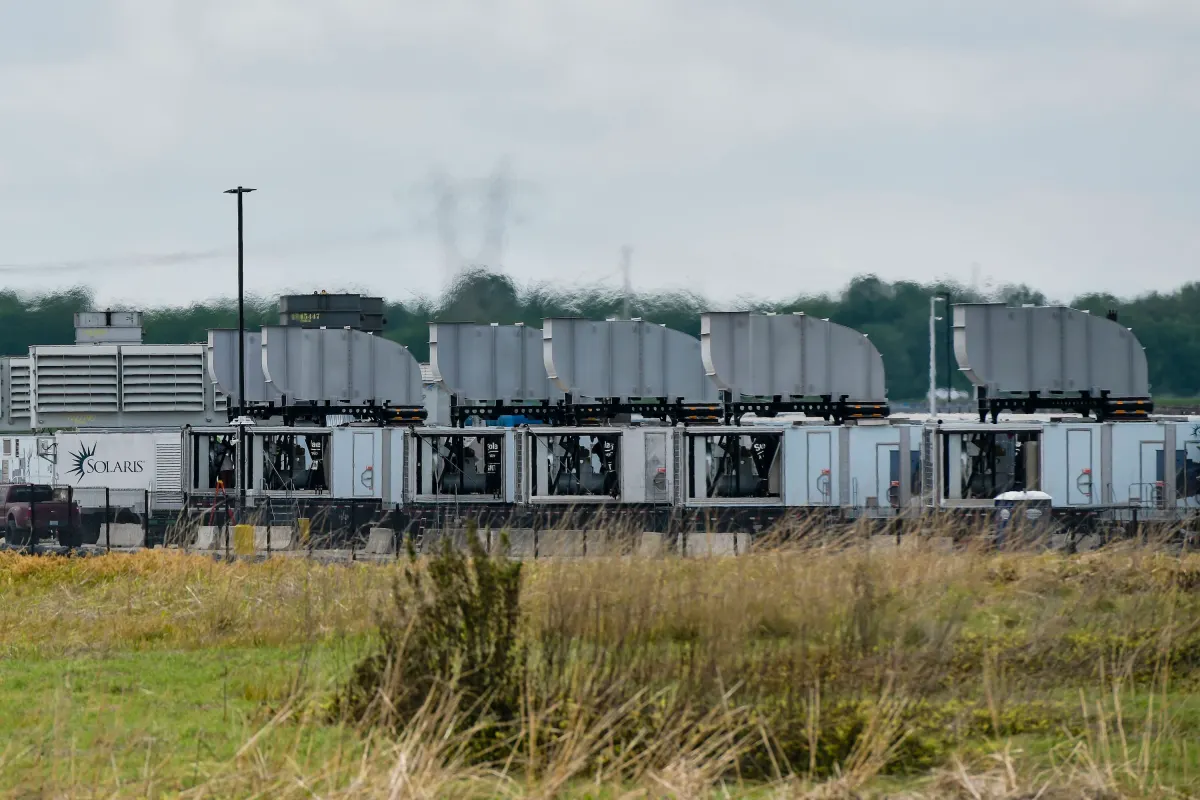
Environmental activist Erin Brockovich is on a new mission to advocate for greater transparency in the construction and operation of data centers across the United States. Known for her landmark legal case against Pacific Gas and Electric—a story portrayed by Julia Roberts in the acclaimed film “Erin Brockovich”—Brockovich has recently launched a website that includes a comprehensive map of data centers nationwide.
The site is described by Brockovich as a “work in progress,” showcasing data center locations that citizens have reported. In a post on Substack, she revealed a remarkable response: after calling for community reports on data center issues in April, she received nearly 4,000 submissions in just the first month.
According to Brockovich, the most significant concern highlighted in these submissions is not the environmental effects of noise or water usage, but rather a singular theme: transparency. Brockovich stated, “The single most common concern—more than noise, more than water usage, more than rising utility bills—is the one word that keeps appearing in submission after submission: transparency.”
In her advocacy, Brockovich emphasizes that her goal is not to reject data centers or artificial intelligence altogether. Instead, she points out troubling patterns documented on her map: the approval of projects often occurs after permits are already granted, developers frequently do not respond to community inquiries, and local officials are bound by non-disclosure agreements (NDAs) before residents are made aware that a project is being considered. This lack of transparency raises alarms among community members, who feel sidelined in discussions that directly affect their neighborhoods.
Understanding the Concerns of Local Communities
The growing number of data centers in the U.S. has brought to light various community concerns. As technology advances, the demand for data storage and processing continues to rise. While data centers are essential for modern digital infrastructure, their impact on local communities cannot be ignored. Residents often report issues related to noise pollution, increased traffic, and potential strain on local resources like water supplies.
Brockovich’s work amplifies the voices of individuals who feel overlooked in the expansion efforts of big tech companies. By collecting firsthand accounts through her website, she is creating a platform for residents to express their concerns and demand accountability from developers and local authorities.
Community Engagement and Future Steps
Engaging the community is crucial in addressing these issues. Brockovich encourages residents to not only report problems but also to participate in discussions about what they want from future data center developments. This could include advocating for better environmental standards, fair compensation, or community investment initiatives.
As Brockovich continues to gather data, her movement sheds light on the necessity of robust regulations and policies governing data center operations. The idea is to ensure that technological progress does not come at the expense of community welfare.
Conclusion: A Call for Transparency and Accountability
Erin Brockovich’s latest initiative underscores the importance of transparency in the fast-growing field of data centers. With her extensive experience advocating for environmental justice, she stands as a powerful ally for communities who demand a seat at the table. As her map of data centers continues to evolve, it becomes a vital resource for fostering dialogue and accountability between developers and the communities they impact.
For more insights into technology and community issues, visit our blog.