Dutch Trade Minister Visits Washington to Oppose MATCH Act Impacting ASML
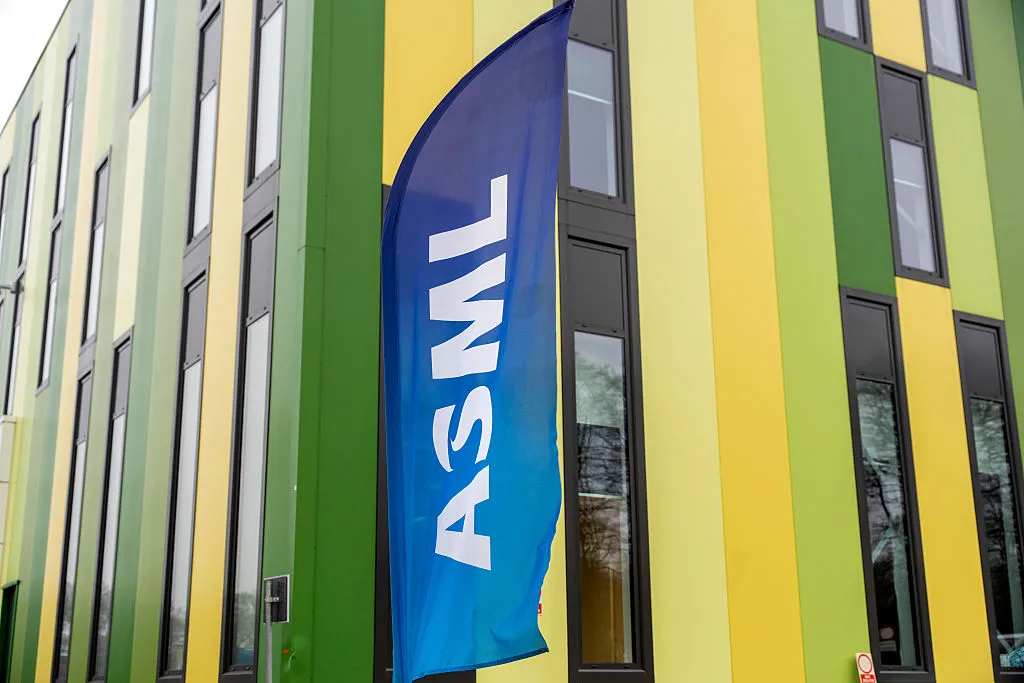
Dutch Trade Minister Sjoerd Sjoerdsma made headlines this week as he traveled to Washington to address concerns regarding the contentious MATCH Act. This proposed legislation seeks to prevent Chinese chipmakers from accessing Western semiconductor equipment, a move that could have significant implications for ASML, the Netherlands-based company renowned for its advanced lithography machines vital for producing state-of-the-art AI chips.
Key Updates on the MATCH Act
During his visit, Sjoerdsma met with U.S. Commerce Secretary Howard Lutnick and several members of Congress to voice his opposition to the MATCH Act. “It’s exceptional that I’m coming here to broadly outline our concerns to Congress,” Sjoerdsma told Bloomberg following the meetings. “The stakes for the Netherlands may be very high.”
ASML: A Critical Player in Semiconductors
ASML is not just any company; it ranks as Europe’s most valuable firm and stands as the sole manufacturer of cutting-edge lithography machines essential for AI chip production. Notably, China accounts for approximately 19% of ASML’s net system sales, indicating how crucial this market is for the company’s financial health.
Potential Implications of the MATCH Act
The MATCH Act aims to extend restrictions beyond existing import controls; it specifically targets ASML’s deep ultraviolet immersion machines in addition to the longstanding ban on its most advanced extreme ultraviolet (EUV) equipment being sold to China. As ASML CEO Christophe Fouquet mentioned in May, the only tools currently available to China are older-generation deep ultraviolet models, which would now also be subject to restrictions under the proposed law.
Legislative Journey of the MATCH Act
Introduced in April 2023, the MATCH Act has yet to undergo a full vote in either the House or Senate. According to Bloomberg, for it to pass, it will likely need to be incorporated into a larger legislative package. This could affect not only ASML’s operations but also the broader global semiconductor landscape, which increasingly relies on advanced technologies from companies like ASML.
Conclusion
As the stakes rise with the evolving semiconductor landscape, the outcome of the MATCH Act remains uncertain. Sjoerdsma’s visit to Washington highlights the complexities of international trade relations within the technological sphere. The impact of proposed legislation could resonate far beyond borders, emphasizing the interconnectedness of global technology markets. For ongoing updates and analyses about the technology sectors affecting global trade, stay tuned to Axomlive.