Flipkart’s Ambitious Expansion in India’s Quick Commerce Market
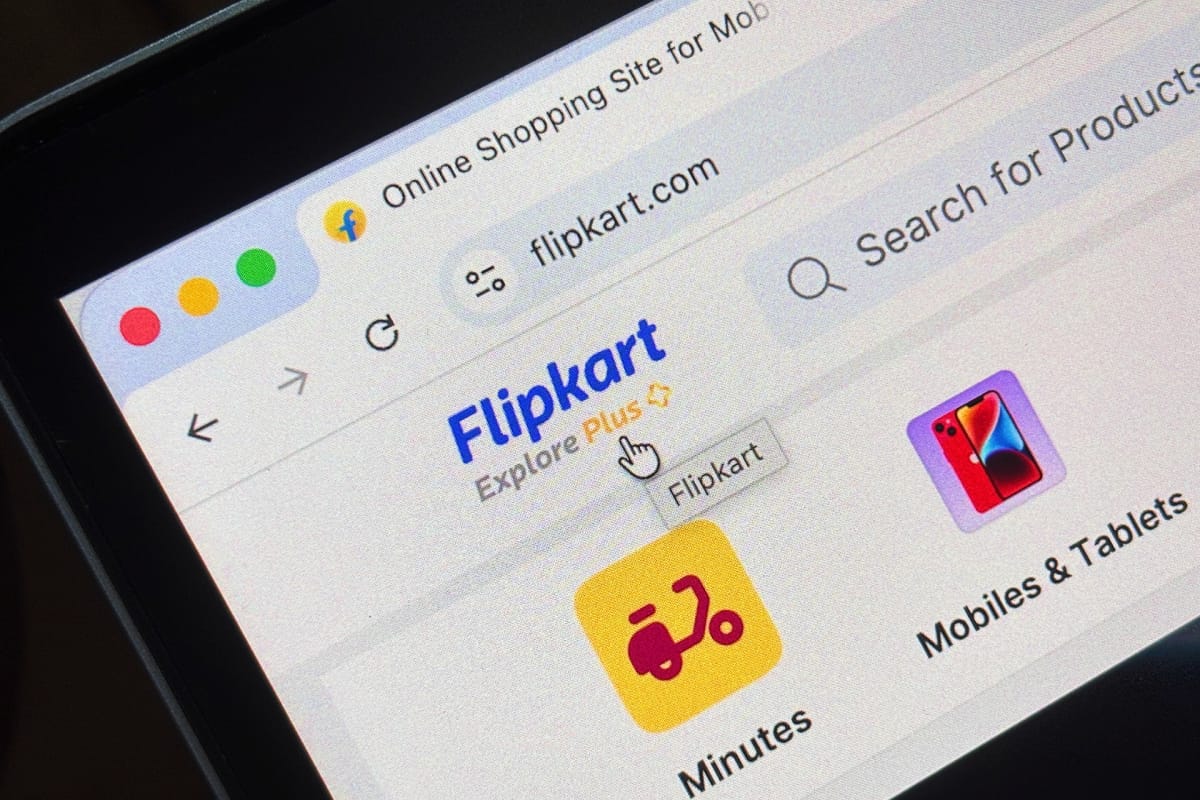
As quick commerce captures the e-commerce landscape in India, Walmart-backed Flipkart is making significant strides. On Wednesday, the company announced that its Flipkart Minutes service has successfully established a network of 1,000 micro-fulfillment centers within just two years of its launch. These small, strategically placed warehouses are designed to facilitate rapid delivery, a milestone that rivals Amazon also aims to achieve as it expands its operations in the South Asian market.
Future Expansion Plans
Flipkart has ambitious plans to grow this network to 1,500 micro-fulfillment centers by the end of 2026, further solidifying its position amidst fierce competition from players like Blinkit, Zepto, Swiggy Instamart, and Amazon—who are all vying for dominance in India’s burgeoning quick-commerce sector.
Competitive Landscape
According to a recent report from Jefferies, Flipkart is on track to become India’s second-largest quick-commerce network by the number of micro-fulfillment centers. Currently, Blinkit leads with 2,243 centers, while Zepto and Swiggy Instamart are also expanding their operations rapidly.
India’s Thriving Quick Commerce Market
India has quickly emerged as one of the fastest-growing quick-commerce markets globally. Companies are racing to establish infrastructures that can deliver everything from groceries to electronics in mere minutes. While Blinkit remains the market leader, Flipkart, Zepto, Swiggy Instamart, and Amazon are heavily investing to widen their customer bases.
Amazon’s Accelerated Rollout
Recently, Amazon has accelerated its rollout of Amazon Now, which currently serves over 500 fulfillment centers across more than 15 cities. The tech giant aims to expand this service to 100 cities, establishing over 1,000 micro-fulfillment centers and broadening its offerings beyond groceries to include apparel and electronics.
Shifting Consumer Preferences
Flipkart Minutes, launched in August 2024, is also witnessing a shift in consumer preferences. Kunal Gupta, head of Flipkart Minutes, shared that demand has diversified beyond groceries, increasingly drawing from electronics, beauty, and personal care items. The platform has seen a staggering 400% increase in orders year-on-year, with customer retention rising by 20%, according to the company’s data.
Expanding Reach in Smaller Cities
Flipkart has also expanded its Minutes service to more than 130 cities and 8,000 postal codes, with significant growth coming from smaller urban areas outside India’s major metros. These markets have documented over 4,000% growth from the previous year, bolstered by Flipkart’s introduction into 90 new cities.
Customer Engagement and Growth
Gupta points out that cities like Patna, Guwahati, and Siliguri are ramping up faster than anticipated, with Lucknow emerging as a standout market for Flipkart Minutes, even though the company has not fully covered the area.
Amazon’s Focus on Smaller Markets
Amazon is also placing a bet on demand from smaller towns, reporting that 70% of new Prime members are from these regions. The e-commerce giant aims to double its Prime membership by the end of this year while ensuring that essentials account for half of every shipment made on Amazon.in.
Flipkart’s Integration of Services
Gupta stated that customers are increasingly using Flipkart Minutes alongside the main e-commerce platform, which is driving more frequent purchases across various categories, including fresh produce. The company reported a 30% year-over-year increase in average order values for fruits and vegetables.
Continued Expansion Plans
Flipkart is set on expanding its network by opening between 75 and 100 micro-fulfillment centers each month, ramping up its outreach to more cities throughout the country.
Conclusion: A New Era of E-commerce in India
The accelerated expansion by both Flipkart and Amazon highlights India’s potential as a frontier for the next phase of e-commerce. Companies are not just looking to offer grocery delivery but are also aiming for broader shopping experiences. With over 5,500 dark stores currently operational and projections suggesting growth to about 7,500 by 2030, the landscape is set for a dramatic shift in how consumers shop.
For the latest updates on the evolving e-commerce scene, stay tuned. Also, check out our in-depth articles on emerging trends and technology advancements.