Magna International Bets Big on India’s Battery-Swapping Revolution
In a groundbreaking move, Magna International is betting on the battery-swapping model in India, foreseeing a bright future for its operation in a country brimming with two- and three-wheelers. Despite facing challenges globally, battery swapping could thrive in India’s burgeoning delivery economy, which demands efficiency and quick turnarounds.
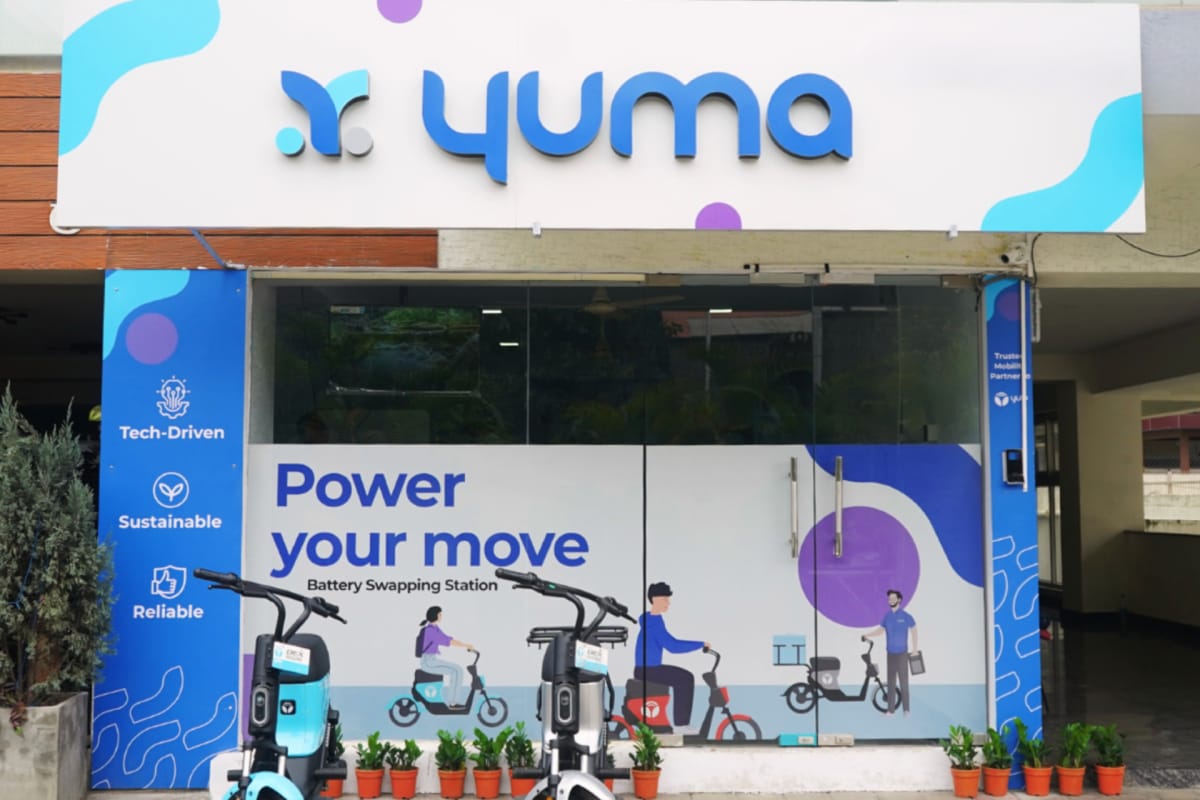
To realize this vision, Magna is investing an additional $35 million in Yuma Energy, a Bengaluru-based startup specializing in battery swapping for electric two- and three-wheelers. Having emerged from Indian mobility firm Yulu earlier this year, Yuma has achieved significant milestones, completing over 60 million swaps and deploying roughly 100,000 batteries through its extensive network.
Growing Stakes in Yuma Energy
The latest investment raises Magna’s stake in Yuma from the original 51%. While specific ownership details remain undisclosed, it’s clear that Yulu’s share will be diluted. According to Yuma’s Managing Director Muthu Subramanian, this partnership marks Magna’s only investments in Indian startups, having previously committed about $77 million to both Yulu and Yuma.
India’s Gig Economy is Key
Magna’s strategy hinges on the growth of India’s gig economy, especially among delivery riders who currently face inefficiencies with EV charging. Subramanian estimates that merely 10% to 15% of vehicles used by gig workers in India are electric. This open market presents a deceptive opportunity for battery-swapping services like Yuma.
“For Indian gig workers, the economics of owning an electric vehicle make sense, particularly due to their high daily mileage,” said Subramanian. “Minimizing downtime is crucial for maximizing earnings.”
Why Battery Swapping?
Yuma targets high-mileage riders by advocating battery swapping over fast charging. A battery can be replaced in under two minutes, vastly more efficient than fast charging options that take 20 or 30 minutes. This rapid turnaround not only maximizes uptime for riders, but also simplifies the logistics of servicing a fleet of vehicles.
This ambitious plan doesn’t come without its challenges. Maintaining a sufficient battery-swapping infrastructure demands significant investment upfront, as Yuma prepares to serve an anticipated surge in demand. Subramanian admits, “It’s a capital-intensive business, and achieving favorable unit economics will happen at scale.”
Achieving Profitability
Although Yuma is not yet profitable, some of its older stations are already EBITDA-positive. With over 400 swapping stations equipped with 2,500 charging units, the firm reported around ₹1 billion (approximately $10.5 million) in revenue by March 2026, with aspirations of reaching EBITDA break-even within the next two quarters.
To facilitate growth, Yuma intends to utilize much of Magna’s latest investment to expand its infrastructure and double its battery fleet in the next 12 to 18 months. Currently, Yulu contributes to the majority of Yuma’s swapping activity, but the company is steadily diversifying its client base, with expectations that non-Yulu customers will comprise 25% of swaps within two years.
Future Plans and Market Expansion
Yuma operates in 18 Indian cities, including major metros like Bengaluru, Mumbai, and Delhi. With the fresh capital, the firm plans to launch its network in Chennai and Pune while continuing to bolster its presence in existing cities. Earlier this month, Yulu raised an impressive $93 million to expand its electric two-wheeler fleet, putting Yuma in a strong position to keep pace.
Although focused on India for the immediate future, Yuma’s longer-term roadmap includes exploring markets in Southeast Asia and Africa, where two-wheeler markets are also flourishing. Areas like Vietnam and Thailand are potential targets, although formal discussions are still in the planning stages.
Unique Approach to Battery Solutions
Setting itself apart from others who merely operate battery-swapping networks, Yuma takes full control of the process by designing and manufacturing its battery packs and charging units. Facilities in Chennai and Bengaluru enable Yuma to oversee both the production and management of these essential components.
This innovation-driven approach could serve as a powerful model in a rapidly evolving market, putting Yuma and Magna at the forefront of India’s electric mobility transition.