Mira Murati Breaks Silence on AI Innovations and Company Challenges
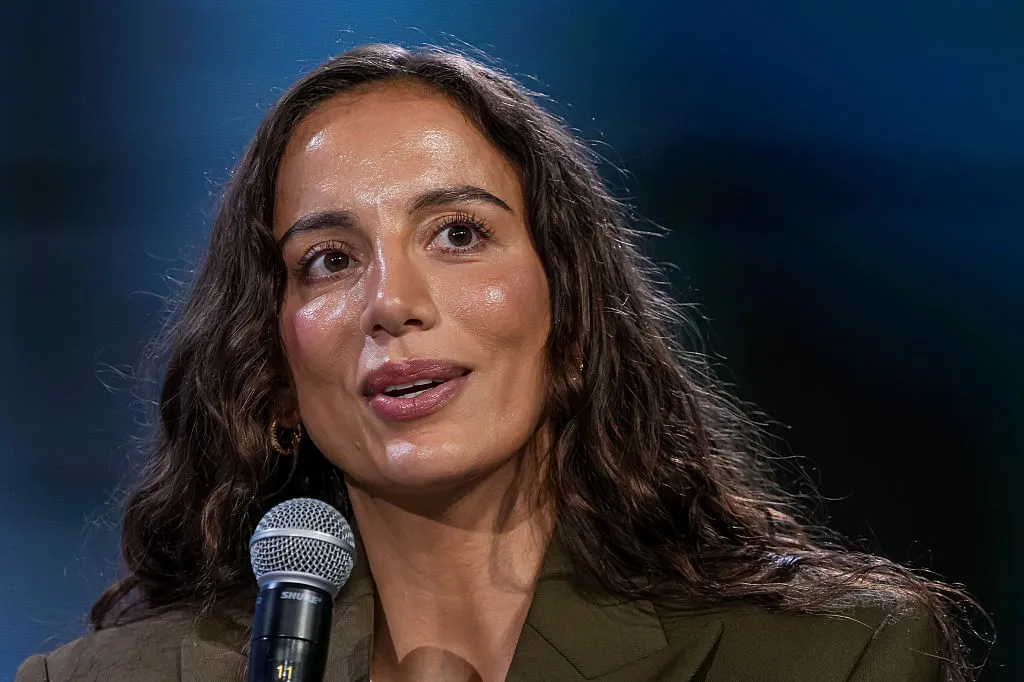
Mira Murati, the CEO of Thinking Machines Lab and former CTO of OpenAI, has made a rare public appearance after a long hiatus, and it’s clear her insights are worth noting. Speaking with Bloomberg in San Francisco on Thursday, Murati unveiled updates on her new venture and reflected on her time at OpenAI.
Fresh Innovations from Thinking Machines
In the past year and a half, Thinking Machines Lab has focused on foundational work: securing funds, hiring talent, and launching its first product, Tinker. This API allows users to fine-tune open-source AI models, positioning the company for future advancements. During her interview, Murati teased new “interaction models” that aim to redefine how users engage with AI. Unlike traditional AI interfaces that work in turn-based formats, her models would process continuous audio, text, and video streams with remarkable speed, mimicking the flow of human conversation.
Context of the AI Landscape
The AI sector is heating up, with competitors like OpenAI, Anthropic, and xAI—Elon Musk’s latest endeavor—dominating headlines. These companies have aggressively sought top talent and market share, making it essential for up-and-coming firms like Thinking Machines to assert their presence. Murati’s appearance is a strategic move to ensure her venture is noticed amidst fierce competition.
Reflections on OpenAI’s Leadership Crisis
Murati also addressed her tumultuous brief tenure as interim CEO at OpenAI during the board’s controversial decision to fire Sam Altman in November 2023. Reflecting on that dramatic period, which insiders dubbed “the blip,” she expressed confidence in her choices, stating that the company’s mission had guided her decisions. She believed that her actions prevented OpenAI from collapsing during those chaotic days. However, she acknowledged that hindsight has offered her different perspectives on transparency and transition planning.
A Call for Structural Changes in AI Governance
When asked if she trusts her former boss, Murati tactfully redirected the discussion towards a significant concern: the concentration of decision-making power in the AI industry. While she didn’t directly comment on individuals, she highlighted the risks of having too few people making crucial decisions, implying that good intentions can’t always safeguard against poor choices. The industry, she argued, needs more robust governance systems to foster accountability.
Addressing Talent Exodus and Future Prospects
Murati faced inquiries about the recent departures of notable researchers from Thinking Machines, which she minimized, emphasizing the inherent volatility faced by new tech startups. She pointed out that while high salaries in the competitive AI landscape can attract attention, they aren’t the sole reason for such movements. With a hint of humor, she remarked, “When I wake up in the morning, I am not thinking about how to kill the competitor,” suggesting that her focus remains on constructive growth.
The Future of AI: Challenges and Opportunities
As the conversation veered toward the future of AI, Murati acknowledged widespread fears about job displacement and potential misuse of AI technology. She cautioned against framing the future in absolute terms of dystopia or utopia. Instead, Murati believes the current period is crucial in shaping outcomes. If humanity disengages too quickly from managing AI, the repercussions could be dire.
Conclusion: A Voice to Watch in AI
Mira Murati’s return to the spotlight signals a pivotal moment for Thinking Machines Lab and the broader AI landscape. As she navigates both innovation and challenges, her unique perspective will be essential in shaping a responsible future for AI. For the latest updates in technology and more, visit Axom Live.