Revolutionizing Voice Technology: Wispr Flow Takes on India’s Challenges
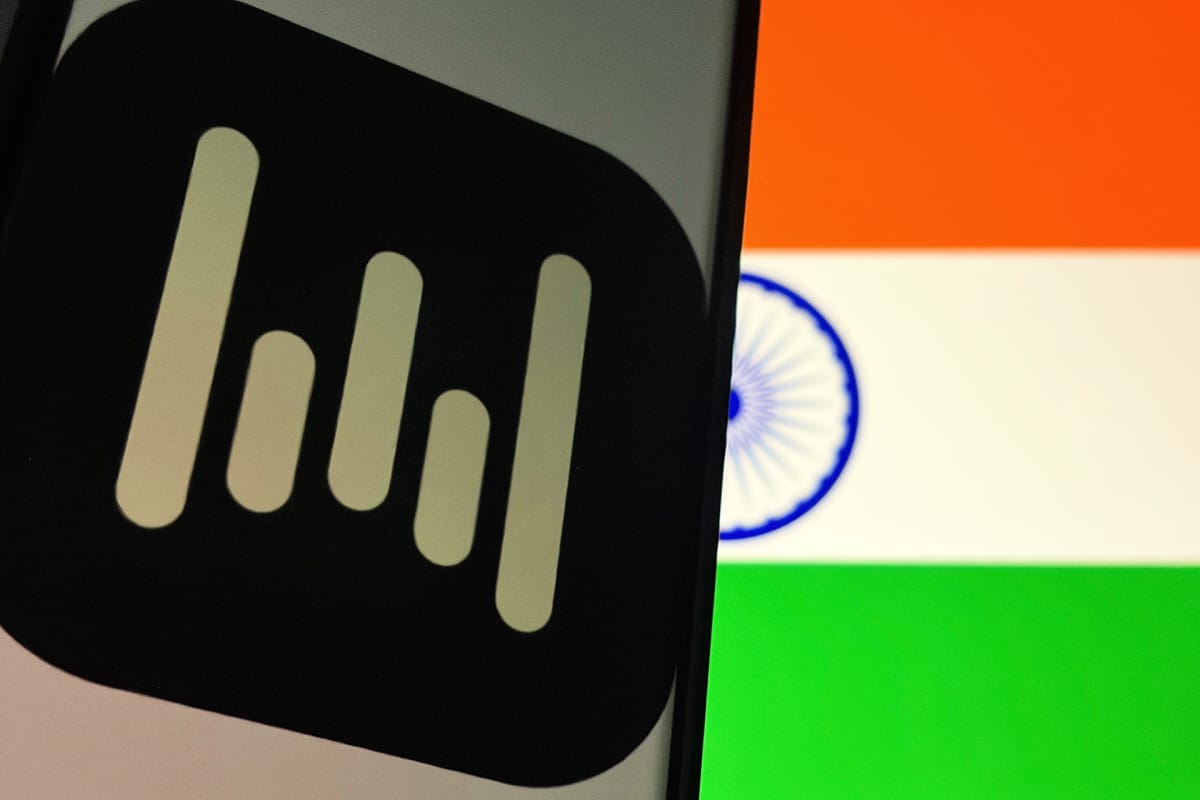
Wispr Flow, an innovative startup based in the Bay Area, is leveraging India’s booming demand for voice technology to carve out a niche in the artificial intelligence space. While India’s internet users are already tapping into voice notes, multilingual messaging, and voice search, turning these habits into a scalable business presents a unique set of challenges due to the country’s linguistic diversity and complex language usage. Wispr Flow believes the potential rewards are worth the fight.
Key Developments in Voice-Based AI
The startup, recognized for its AI-powered voice input software, is witnessing rapid growth in India, making it the fastest expanding market for the company. Despite voice-based AI products still being in their infancy and somewhat fragmented in the South Asian region, Wispr Flow is not holding back. The company has focused on enhancing user experience by developing a Hinglish voice model, which mixes Hindi and English—a linguistic trend prevalent among locals.
Wispr Flow’s strategy involves extending multilingual support and investing in local hiring. The startup aims to lower its pricing structure to appeal to a broader audience beyond white-collar users, ultimately preparing to break into the heart of Indian households.
A Shift from Convenience to Comprehensive Tools
Historically, voice technology in India has focused mostly on convenience, with applications ranging from digital assistants to WhatsApp voice notes. However, Wispr Flow is part of a growing movement that believes generative AI can expand upon these habits to develop a more robust computing layer.
To cater specifically to Indian users, the startup began beta testing its Hinglish voice model earlier this year and launched its platform on Android—India’s most popular mobile operating system—after initially rolling out on Mac and Windows, with plans to expand to iOS by 2025.
Rising Adoption Among Diverse User Groups
According to Tanay Kothari, co-founder and CEO of Wispr Flow, initial adoption was predominantly among professionals like managers and engineers. However, the user base is now diversifying, comprising students and older users who often learn to navigate these technologies with the help of younger family members.
India has emerged as Wispr Flow’s second-largest market after the United States, both in terms of users and revenue. Recent initiatives focusing on Hinglish support have accelerated growth, with Kothari highlighting that users are starting to utilize the technology in personal applications on platforms like WhatsApp and social media.
A Marketing Surge and Future Plans
Earlier this year, Wispr Flow reported an impressive growth rate of 60% month-over-month in India, which skyrocketed to 100% after launching an India-centric marketing campaign. Their latest efforts include a promotional video featuring Kothari and offline initiatives in Bengaluru to familiarize mainstream consumers with the product.
Kothari has plans for further expansion, including developing multilingual voice capabilities for various Indian languages. The introduction of India-specific pricing, starting at ₹320 (around $3.4) monthly for annual plans, is aimed at making their service accessible to a wider demographic compared to its global rate of $12.
Looking forward, Wispr Flow hopes to reduce costs further, potentially bringing prices down to as low as ₹10–20 (10–20 cents) per month, to truly penetrate the market across urban and rural populations. “I want every single person in the country to be able to use Wispr Flow, and that’s what we’re really building for,” Kothari stated. “That’s going to happen slowly and steadily.”
Hiring to Build a Stronger Local Team
To strengthen its presence in India, Wispr Flow brought in Nimisha Mehta to lead India operations. The startup plans to expand its workforce in India to about 30 employees over the next year, emphasizing consumer growth, partnerships, and enterprise teams along with existing engineering and support functions.
The Broader Voice AI Landscape in India
Wispr Flow is not alone in identifying the potential of India as a crucial market for voice-based AI. Competitors like ElevenLabs and several local startups such as Gnani.ai and Bolna are also drawing investor interest as demand for voice-assisted tools continues to rise across various sectors.
Nevertheless, introducing voice AI as a mainstream consumer product remains challenging due to linguistic and contextual hurdles. As Neil Shah, Vice President of Research at Counterpoint Research, puts it, “India is the ultimate stress test for voice AI,” noting the complexities posed by accents and conversational shifts.
Current Usage Trends and Retention Rates
Between October 2025 and April 2026, Wispr Flow was downloaded over 2.5 million times globally, with India accounting for 14% of those installations, making it the second-largest market by downloads after the U.S. However, India contributed only about 2% to Wispr Flow’s in-app purchase revenue during that time frame, emphasizing the market’s untapped potential.
Kothari revealed that the usage in India is evenly split between desktop and mobile platforms. The company has reported a solid retention rate, claiming roughly 70% of users continue using their service after 12 months.
To further enhance its multilingual offerings, Wispr Flow employs two full-time linguistics PhDs dedicated to refining their voice models and expanding Indian language support.
Final Thoughts
As Wispr Flow endeavors to democratize AI-driven voice technology across India, their focus on linguistic diversity and user-friendly pricing strategies may position them as a key player in this dynamic market. The journey ahead is challenging, but the potential for growth in India’s vast landscape is immense.