
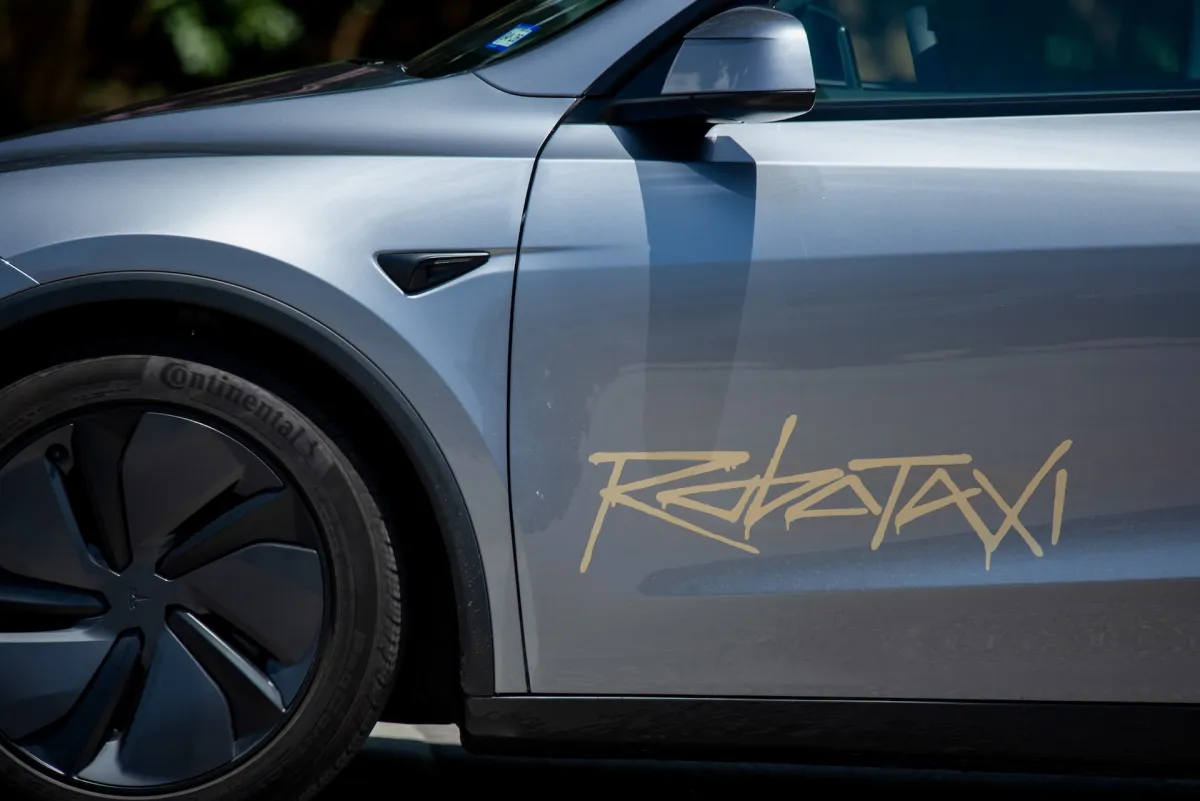
Nevada Approves Robotaxi Permits: The Future of Transportation in Las Vegas
Exciting times are ahead for Nevada as the state gears up to welcome robotaxis. The Nevada Transportation Authority has officially given the green light for Tesla, Uber, and Waymo to roll out commercial robotaxi services in Clark County, which includes the bustling city of Las Vegas. This groundbreaking decision permits the deployment of up to 8,000 robotaxis over the next year.
Key Updates: Permit Details
Under this new regulatory framework, Tesla is allowed to operate up to 5,000 robotaxis, while Waymo can introduce 1,000 autonomous vehicles. Uber has also been approved for 1,000 robotaxis, which will be launched through partnerships with Motional, a Hyundai subsidiary, and Zoox. Notably, Zoox already holds a permit to operate 100 robotaxis, enhancing the competition in this innovative space.
Challenges Ahead for Implementation
However, the deployment of these robotaxis may not be as straightforward as it seems. During the meeting, Tesla’s Cybercab chief engineer Eric Early expressed concern about reaching the ambitious target of 5,000 vehicles, noting that their initial ceiling might be unattainable within the year. “I think we would be extremely happy and satisfied if we could get ourselves up to 2,500, maybe a bit higher than that in the next year,” he stated.
Implications for Las Vegas
Even if these companies roll out only half of the planned robotaxis, Clark County, particularly Las Vegas, is set to become a significant battleground for robotaxi services. With Tesla, Uber, and Waymo all vying for passengers, the landscape of local transportation is about to change dramatically.
Job Market Repercussions
This fast-paced robotaxi rollout is expected to have profound implications for the local workforce. Some experts argue that this shift could create a new category of jobs focused on the maintenance, charging, and cleaning of autonomous vehicles. In contrast, others fear it could lead to widespread job losses among human taxi and gig drivers, completely transforming the employment landscape.
Opposition to Robotaxi Permits
Reactions to the approval of these permits have been mixed. Representatives from the Livery Operators Association and local taxi companies raised concerns at the NTA meeting, arguing that the approvals may be rushing toward an oversaturation of the commercial transportation industry. Kimberly Maxson-Rushton, a lawyer for the Association, emphasized concerns regarding both traffic congestion and competition in the rapidly evolving market.
Uber’s Hybrid Approach
Interestingly, Uber is positioning itself as a mediator in this transition. The company has advocated for a hybrid model where both human drivers and robotaxis share the road. During the NTA meeting, Uber suggested that a mixed approach could help cities manage peak demand without overwhelming the market all at once.
The Road Ahead
The introduction of robotaxis marks a significant step forward in transportation technology, especially in a hub like Las Vegas. As companies gear up to implement their plans, the focus will be on balancing innovation with careful consideration of the existing workforce and road infrastructure. The unfolding story promises to be dynamic and could set a precedent for cities across the U.S. and beyond.
For more updates on technology and innovations, visit our blog.