
AI-Generated Menus: A Culinary Nightmare?
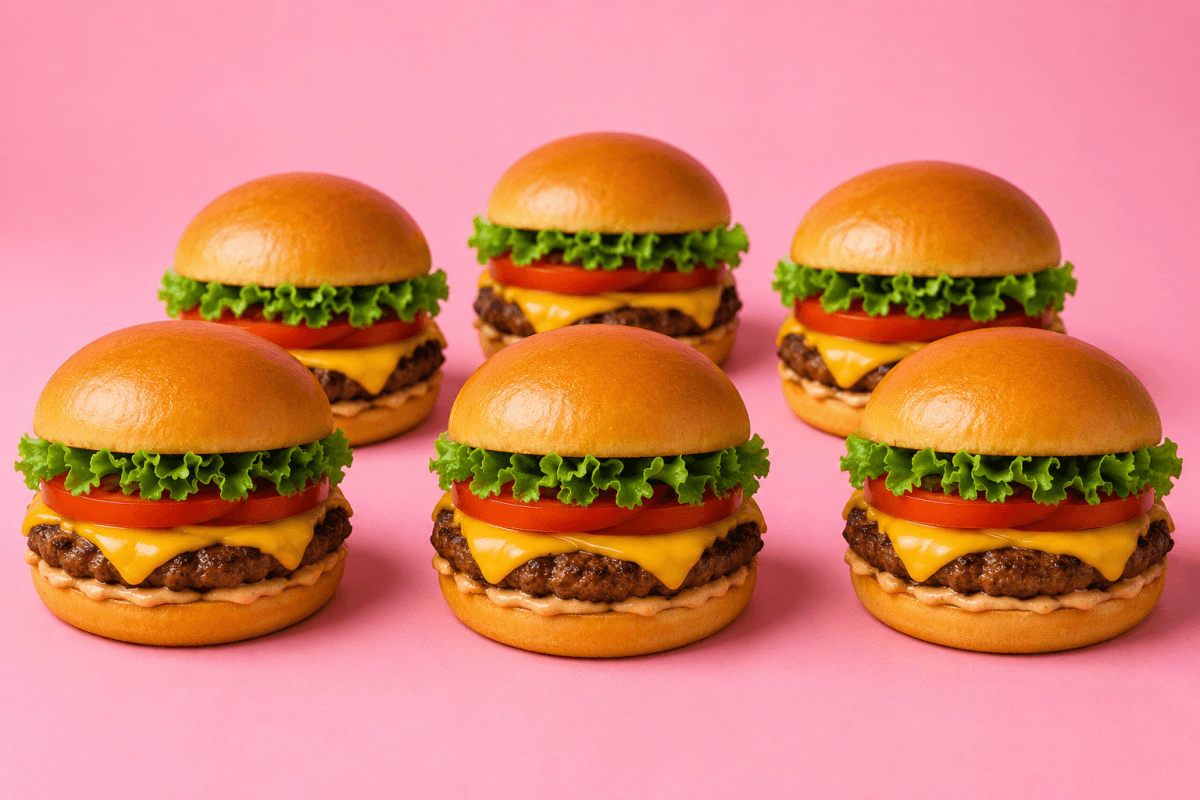
Imagine stepping into a café and staring at a menu filled with visually stunning bagel sandwiches. The illustrations are surreal—perfectly symmetrical and almost too smooth. You might pause, thinking there’s something unsettling about this eye-catching display. If you’ve ever felt unnerved by generative AI menus, you’re not alone. These restaurant menus, crafted by models trained on overly polished aesthetics, evoke a strange sensation that’s hard to put into words.
The Aesthetic Confusion
Some AI-generated images are blatantly unrealistic—like a burrito with cheese bubbling in a way that screams artistic exaggeration rather than culinary delight. More commonly, they seem deceptively normal until you take a closer look. Reality Defender’s CTO Alex Lisle likened these ai creations to “an alien trying to make a pizza without understanding its core principles.” With companies like Reality Defender focusing on AI detection and content verification, there’s clearly growing concern over these uncanny creations.
Why Do AI Menus Look So Odd?
The peculiar aesthetic can be traced back to the training data used for these models. Large language models (LLMs) and diffusion models, which power AI tools like ChatGPT and Midjourney, learn from vast datasets. Lisle notes that many AI outputs resemble a generic menu design reminiscent of popular chain restaurants from years ago, such as Chili’s in 2015. These outdated styles feed back into the AI training data, creating a cycle of blandness.
The Risks of “Model Collapse”
As AI models increasingly rely on their own generated content, they face the risk of what experts call “model collapse.” Lisle explained this phenomenon by comparing it to a form of inbreeding in nature: when the AI draws solely from its own outputs, the echoes of previous generation degrade the quality of the next. Whereas total collapse is extreme, a more common issue is “convergence.” This gradual degradation may not render the AI useless, but it certainly diminishes its output quality, leading to menus that look strikingly similar to each other.
Homogenization in AI Outputs
When asked to generate a menu for a fast-food restaurant, AI will likely pull references from McDonald’s, Wendy’s, or Burger King—chains known for their similar visual styles. Unfortunately, this results in an output that further perpetuates the existing homogenization of AI-generated content. This effect becomes even more stark when comparing AI-generated menus with traditional ones, as promotional images often outshine the food served.
The Disturbing Effect of Perfection
According to Lee Rainie, Director at Elon University’s Imagining the Digital Future Center, AI strives for “pleasingness” in aesthetics, which can lead to homogenized content. This tendency narrows the visual representation of food, as AI systems tend to shave off any rough edges. Users on platforms like X (formerly Twitter) have even showcased how repeatedly editing AI-generated menus can render them increasingly bland. One such user, Labtec, expressed discomfort after observing how his menu evolved through 100 edits into a grotesque version of its original form.
Public Backlash: Are AI Menus Here to Stay?
Many restaurants may not realize that in their ongoing tweaks to AI-generated menus—changing prices or item names—they may inadvertently make the food images appear smoother and more cartoonish. Rainie points out that there’s an “uncanny valley” effect in AI-generated food images: designs that look almost real might generate more disgust than those that are obviously artificial. This can create a visceral reaction against AI-generated menus, which may lead to negative consumer sentiment.
The Way Forward
The challenges posed by AI-generated content extend beyond just culinary applications. As Lisle states, the concept of “seeing is believing” is no longer as reliable as it once was. The shift in content generation brought about by AI raises questions not only about authenticity but also about how consumers will react in the future.
Given the overwhelming public sentiment against AI-generated menus, restaurants may need to rethink their strategies. If humans prefer the imperfections of real food, perhaps the focus should shift back to authentic, hand-crafted experiences rather than slick, overly polished images. The path forward may not just be about technology, but rather understanding what resonates with customers on a deeper, more emotional level.