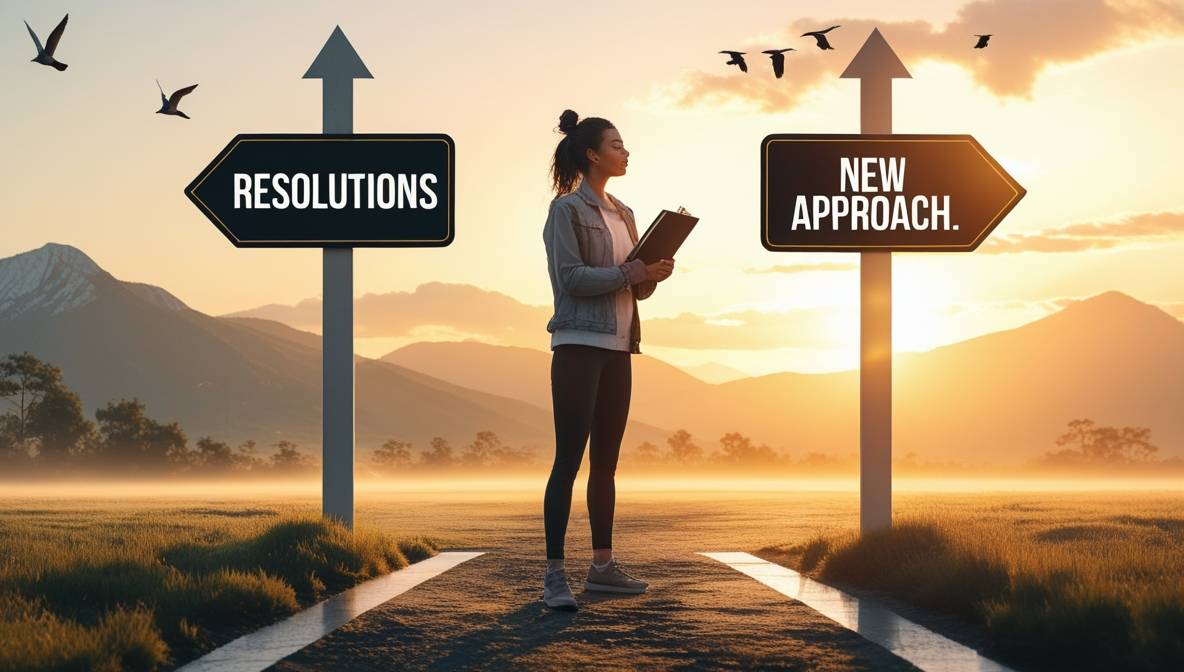
The 75 Hotter Challenge is a 75-day self-care and lifestyle challenge created by content creator Jade Brandt. It was designed as a more flexible alternative to strict fitness challenges, with an emphasis on routines that people can continue after the challenge ends. Its central idea is that feeling good about yourself should not depend only on body weight, clothing size or appearance.
The challenge became known for combining everyday habits such as walking, balanced meals, hydration, keeping a home organised, staying connected with friends, planning movement and recovery, enjoying self-care and practising kinder self-talk. These can be useful prompts, but the challenge is not a medical programme or a scientifically validated 75-day treatment. The value comes from choosing habits that suit your circumstances and practising them without punishment or unrealistic expectations.
What Is the 75 Hotter Challenge?
Jade Brandt says she developed 75 Hotter after trying 75 Hard and realising that she wanted a challenge built around habits she could maintain beyond the final day. She shared the idea in a video in autumn 2023. Her own description places the emphasis on feeling confident and well from the inside, rather than judging progress by the number on a scale or the size of a pair of jeans.
A commonly shared version of the challenge is organised around ten areas: daily walking, nourishing meals, hydration, an evening home reset, regular social connection, mindful choices around alcohol, a balanced workout and recovery schedule, enjoyable self-care, reflective progress tracking and positive self-talk. The details can vary between versions and social media posts, so it is better to treat this as a flexible framework than a fixed rulebook.
The 75-day period gives participants a clear window in which to practise routines. It does not mean that every habit takes exactly 75 days to form, or that missing a day erases the progress already made. You can read the creator’s explanation on the official 75 Hotter website. A detailed outline of the commonly shared habits is also described by The Everygirl’s guide to 75 Hotter.
What Are the Common 75 Hotter Habits?
The habits below explain the ideas usually associated with the challenge. They are starting points, not compulsory health targets. Adapt the amount, frequency and method to your current routine, ability, preferences and professional health advice.
1. Add More Everyday Movement
The commonly shared version includes a target of 10,000 steps a day. Walking can be an accessible way to move more, spend time outdoors and create a regular break from sitting. However, 10,000 steps is not a universal medical requirement. Your starting point, age, mobility, work, health and daily environment all matter.
Start by noticing how much you already move. If you are usually inactive, add a short walk that feels manageable and build gradually. You can divide movement into smaller periods, walk with a friend, take the stairs when appropriate, dance at home, cycle, garden or choose another activity you enjoy.
For general adult guidance, the US Centers for Disease Control and Prevention (CDC) recommends at least 150 minutes of moderate-intensity aerobic activity a week, or 75 minutes of vigorous activity, or an equivalent combination, along with muscle-strengthening activity on at least two days a week. These are population-level guidelines, not a personal prescription. Some activity is better than none, and people with disabilities, chronic conditions or other specific needs may need an adapted plan. Read the CDC adult physical activity recommendations.
Try this: Choose a realistic movement window, such as a 10-minute walk after lunch. Keep the time flexible when weather, safety, work or family responsibilities make the original plan difficult. Increase duration or intensity gradually rather than trying to make up missed activity with an exhausting session.
2. Build Balanced Meals Instead of Following a Restrictive Diet
75 Hotter is often described as encouraging protein and greens at meals. The useful principle is to make meals nourishing and varied, not to follow a rigid food rule or eliminate foods you enjoy. Protein can come from foods such as dal, beans, chickpeas, eggs, fish, milk, curd, paneer, tofu, nuts, seeds or meat. Vegetables and fruit add variety, fibre and important nutrients.
A practical meal can include a source of protein, vegetables or fruit, and a suitable carbohydrate such as rice, roti, oats, potatoes or other grains. The right combination and portions vary with appetite, activity, culture, budget, health needs and personal preference. There is no need to label foods as morally good or bad, skip meals to compensate for eating something enjoyable, or set a protein target without considering your own needs.
For everyday meal planning, use a variety of foods across the week. Affordable options such as seasonal vegetables, lentils, beans, eggs and locally available produce can be useful. People with medical conditions, food allergies, pregnancy-related needs or a history of disordered eating should seek individual guidance from an appropriate health professional or registered dietitian before making major dietary changes.
See the NHS guide to eating a balanced diet for an overview of food groups and variety.
3. Hydrate According to Your Needs
Drinking enough fluid supports normal body function, and water is a practical everyday choice. But the challenge should not become a competition to drink the largest quantity. Fluid needs vary with age, activity, climate, health, pregnancy and breastfeeding status, and some medical conditions require specific fluid advice.
In hot weather or when you are physically active, you may need more fluid than on a cool, low-activity day. Foods such as fruit and vegetables also contribute water. Carrying a reusable bottle, drinking with meals and keeping water accessible can help you remember to drink. Do not force excessive water intake or follow a social media target that ignores your health circumstances.
The CDC explains that daily water needs differ between people and can increase in hot climates, during physical activity or when someone is unwell. Its water and healthier drinks guide provides practical suggestions.
4. Create a Short Evening Home Reset
One of the challenge’s distinctive ideas is a nightly “closing shift”: a brief reset that makes the next morning easier. It is not about keeping a perfect home. It is about reducing small sources of friction, such as searching for keys, facing a sink full of dishes or starting the day with clutter on the work surface.
A simple 10-minute routine could include:
- Put dishes in the sink or dishwasher and wipe one kitchen surface.
- Return frequently used items to their usual places.
- Prepare your bag, work materials or clothes for the next day.
- Clear a small area where you eat, study or work.
- Write down one important task for tomorrow.
Choose only the tasks that make a difference to your household. Share responsibilities with other people where possible. If you have children, caregiving duties, shift work or limited energy, a two-minute reset may be more realistic than a full routine. The aim is to make tomorrow slightly easier, not to add another source of pressure.
5. Make Time for Real Social Connection
The challenge includes intentionally connecting with a friend each week. A social habit can be as simple as calling a family member, sending a thoughtful message, arranging a walk, sharing a meal or joining a group activity. The aim is to give relationships some deliberate attention rather than waiting until a special occasion.
Connection does not have to mean a large social circle or an expensive outing. A regular conversation with someone you trust can be meaningful. Online calls may help when distance, disability, work schedules or caring responsibilities make meeting in person difficult.
Be thoughtful about boundaries. Self-care does not require keeping contact with someone who treats you badly. Choose supportive relationships and communities, and seek help from a trusted person or appropriate professional if you feel isolated or unsafe.
6. Be Intentional About Alcohol
Some descriptions of 75 Hotter use the phrase “mindful drinking” rather than making alcohol abstinence a challenge rule. This should not be interpreted as advice to drink. Alcohol is not necessary for social connection, relaxation or participation in the challenge. Choosing not to drink is a valid option, and people who do not drink should not feel that they need to start.
If you already drink, consider the situations in which you tend to reach for alcohol and whether there are alternatives that work for you. Do not use alcohol as a way to manage distress or pressure yourself to drink at social events. The World Health Organization includes avoiding alcohol among the lifestyle choices that can form part of self-care. Its self-care guidance also emphasises that self-care should complement, not replace, appropriate health services.
Anyone who may be dependent on alcohol or experiences withdrawal symptoms should seek medical advice rather than suddenly stopping without support. This article is not a treatment plan for alcohol dependence.
7. Balance Exercise with Recovery
The challenge encourages participants to create a workout and recovery schedule. That is more useful than trying to exercise intensely every day. A balanced routine can include aerobic activity, strength work, mobility, enjoyable recreational movement and rest. Recovery days are not failures. They are part of a sustainable routine.
For a beginner, a weekly plan might include a few walking sessions, two light strength sessions on non-consecutive days and easier movement or rest between them. This is only an example; it should be adapted to your fitness level and health needs. You do not have to copy an influencer’s routine or combine a high daily step target with demanding workouts.
Pay attention to persistent pain, unusual breathlessness, dizziness, exhaustion or symptoms that feel concerning. Stop the activity and seek appropriate medical advice when needed. People returning after injury, surgery, illness or a long period of inactivity may benefit from professional guidance before increasing exercise.
8. Choose Enjoyable Self-Care, Not Mandatory Beauty Spending
Some versions of 75 Hotter suggest one aesthetic or enjoyable self-care activity each week. It might be a haircut, skincare routine, manicure, a relaxing bath, wearing clothes you enjoy, spending time on a hobby or taking a quiet break. The activity should be chosen because it makes you feel cared for, not because you must change your appearance to deserve confidence.
Self-care does not need to cost money. You might take a walk in a green space, listen to music without multitasking, make a favourite meal, read for pleasure, stretch gently or spend time on a creative activity. A product, treatment or beauty appointment is optional. Avoid unregulated treatments, extreme diets or products promoted with unrealistic promises.
9. Track How You Feel, Not Only How You Look
Some descriptions of the challenge mention progress photos that reflect mood or personal confidence as well as appearance. Photos are optional. They are not required to complete the challenge, and they are not suitable for everyone. If taking pictures makes you anxious, encourages comparison or leads you to criticise your body, use another method.
Try a short weekly reflection instead:
- Which habit felt easiest to maintain?
- Did I have more opportunities to move in a way I enjoy?
- Did I make time for people who matter to me?
- What helped me sleep, relax or prepare for the next day?
- Which part of the plan felt stressful or unrealistic?
- What is one small adjustment I want to make next week?
These notes can reveal meaningful changes that a photograph or scale cannot show. You can also track practical behaviours such as walks completed, meals prepared, time spent with friends or evenings when you had a calmer routine. Measure only what helps you make a useful decision.
Body image can be affected by comparisons and the content people see online. The Mental Health Foundation recommends noticing how social media affects the way you feel about your appearance and muting or unfollowing content that encourages unhealthy comparisons. Read its tips to improve body image.
10. Practise Supportive and Realistic Self-Talk
Positive self-talk does not mean pretending that every day is perfect or repeating statements you do not believe. It means speaking to yourself in a way that is fair, constructive and less punishing. The goal is to respond to setbacks with useful next steps rather than shame.
| Unhelpful thought | More balanced response |
|---|---|
| “I missed my walk, so the whole week is ruined.” | “I missed one session. I can return to my usual routine at the next opportunity.” |
| “I ate something that was not in my plan.” | “One meal does not define my health. I can continue with normal, balanced meals.” |
| “I should look different by now.” | “My worth is not measured by appearance. I can notice other signs of wellbeing and progress.” |
| “Everyone else is doing better.” | “I only see part of other people’s lives. I can choose goals that fit my own circumstances.” |
If body image concerns, anxiety, low mood or eating-related distress are persistent or interfere with daily life, a challenge is not a substitute for professional support. Consider speaking with a qualified mental health professional or healthcare provider.
How to Adapt 75 Hotter to Your Own Life
Before starting, decide which habits are useful to you and which need to change. You do not need to adopt all ten habits at once. You also do not need to copy another person’s step count, meal plan, workout schedule or self-care spending.
To turn those intentions into a routine you can maintain, see our guide to goal-setting alternatives that turn plans into action.
| Challenge idea | Flexible alternative | How to review it |
|---|---|---|
| 10,000 steps daily | Start from your current movement level and add manageable walking or other enjoyable activity. | Did movement fit safely into my day? |
| Protein and greens at every meal | Build varied meals with accessible protein foods, vegetables or fruit and suitable staples. | Were my meals satisfying, practical and varied? |
| Drink more water | Keep fluids accessible and respond to your needs, activity and climate. | Did I stay comfortably hydrated without forcing excessive intake? |
| Nightly home reset | Spend two to ten minutes preparing one area for tomorrow. | Did the reset make the next day easier? |
| Weekly connection | Call, message, meet or join an activity with someone supportive. | Did I make meaningful time for connection? |
| Mindful drinking | Choose not to drink, or reflect on drinking triggers and alternatives. | Did my choices match my wellbeing and boundaries? |
| Workout and recovery schedule | Mix suitable movement, strength work, easier days and rest. | Was the routine manageable and did I recover? |
| Weekly self-care | Choose a free or affordable activity that you genuinely enjoy. | Did it help me feel cared for rather than pressured? |
| Progress photos | Use a journal, habit tracker or mood notes instead. | Did tracking support me or create stress? |
| Positive self-talk | Write one balanced response to a difficult thought. | Was I able to respond to setbacks constructively? |
A Simple 75-Day Plan for Beginners
The following three phases are a practical way to organise the challenge. They are an example created for this guide, not official rules from Jade Brandt or a research-tested 75-day schedule.
Days 1 to 15: Start Small and Set Your Baseline
Choose two or three habits that matter most. For example, you might begin with a short walk, a regular evening reset and one weekly call with a friend. Notice what your normal schedule allows before adding more. Make the first version easy enough to repeat during a busy week.
Do not suddenly increase walking, restrict food, add daily intense workouts or set a fixed water target. Use these first two weeks to learn what fits your life.
Days 16 to 45: Build a Repeatable Routine
Continue the habits that feel useful. Add another habit only when the current routine is manageable. Put activities into your calendar, prepare what you need in advance and choose a backup option for days when your normal plan is interrupted.
Review progress once a week. If a target repeatedly causes stress, pain, guilt or excessive time pressure, adjust it. The purpose is to develop routines that support your life, not to prove that you can tolerate discomfort.
Days 46 to 75: Focus on Long-Term Maintenance
Think beyond the final day. Which habits would you like to continue for the next three months? Which ones have become unnecessary? Which need a different time or a smaller commitment? Keep the habits that are useful and realistic, and allow the others to change.
At the end of the challenge, write down a few things you learned about your schedule, energy, relationships, routines and self-talk. A successful outcome can be a calmer evening, a regular walk, more time with friends or a kinder relationship with yourself. It does not have to be a dramatic physical transformation.
Example Weekly Routine
This example shows how movement, meals, connection, self-care and recovery can fit into a normal week. Adjust the activities and timing to suit your health, responsibilities and preferences.
| Day | Possible focus |
|---|---|
| Monday | Take a comfortable walk, plan simple meals and prepare one area for the next morning. |
| Tuesday | Do a suitable strength or mobility session and make time for a hobby. |
| Wednesday | Walk or choose another enjoyable activity, then check in with a friend or family member. |
| Thursday | Choose an easier movement day and prepare a balanced meal using foods you enjoy. |
| Friday | Complete a suitable workout or recreational activity and review how the week is going. |
| Saturday | Spend time outdoors or with other people, and choose a free or affordable self-care activity. |
| Sunday | Rest or move gently, reflect on the week and plan one manageable priority for the next week. |
This is not a prescription to exercise on a fixed number of days. Rest, recovery and flexibility should be based on your own needs. If a day becomes busy, change the schedule rather than doubling the next day’s workload.
Who Should Modify or Avoid a Challenge Format?
A lifestyle challenge should not override medical advice or personal limits. If you are pregnant or postpartum, recovering from an injury or illness, living with a chronic condition, managing a disability, taking medication that affects fluid or activity needs, or have a history of disordered eating or body image distress, discuss major changes with an appropriate healthcare professional.
Pause or change the challenge if it leads to persistent guilt, compulsive exercise, food restriction, anxiety about missing a target, distress about photos or weight, or pressure to ignore pain and fatigue. You can keep the parts that are genuinely helpful and drop the rest. If the rules make you feel worse, stopping is a reasonable decision.
Self-care is not a replacement for professional treatment. The World Health Organization describes self-care as one part of maintaining health and wellbeing, while noting that it complements rather than replaces health services and support from health workers.
Common 75 Hotter Challenge Mistakes to Avoid
- Treating 10,000 steps as compulsory: It is a commonly shared challenge target, not a requirement for every person.
- Turning balanced eating into food restriction: Focus on variety and nourishment rather than forbidden foods or guilt.
- Forcing water intake: Hydration needs vary, and excessive intake is not a measure of commitment.
- Exercising intensely without recovery: Build a schedule that includes easier days and rest.
- Using photos or the scale when they cause distress: Choose a neutral method of tracking or do not track appearance at all.
- Spending money to complete self-care tasks: Free activities can be just as meaningful.
- Drinking because the challenge mentions mindful drinking: Alcohol is optional, and choosing not to drink is valid.
- Starting again from day one after a missed habit: Review what happened and continue with the next realistic opportunity.
- Expecting a guaranteed transformation: The challenge cannot guarantee a particular body, mood, weight or health outcome.
Frequently Asked Questions
Who created the 75 Hotter Challenge?
Content creator Jade Brandt says she created 75 Hotter after trying 75 Hard and wanting a more sustainable set of habits. She shared the idea in autumn 2023, with an emphasis on routines that could continue after the 75 days.
What are the rules of the 75 Hotter Challenge?
A commonly shared outline includes walking, balanced meals with protein and greens, hydration, a nightly home reset, weekly social connection, mindful choices around alcohol, a workout and recovery schedule, enjoyable self-care, reflective progress tracking and positive self-talk. The details can vary, so check the creator’s current guidance and adapt the habits to your needs.
Do I have to walk 10,000 steps every day?
No. Ten thousand steps appears in commonly shared descriptions of the challenge, but it is not a universal health requirement. Choose a level of movement that is appropriate for your current ability and build gradually if you want to do more.
Is the 75 Hotter Challenge a weight-loss programme?
It is presented as a self-care and lifestyle challenge, not a guaranteed weight-loss programme. Its central idea is to focus on sustainable habits and confidence rather than judging success only by appearance or weight.
Can I change the rules?
Yes. The challenge is commonly described as flexible. You can change the step target, choose a different way to move, adapt food habits, skip progress photos, avoid alcohol and select free self-care activities. The useful habits are the ones that support your wellbeing.
What happens if I miss a day?
You do not need to punish yourself or restart automatically. Consider why the habit was missed, adjust the plan if necessary and continue when you can. Consistency over time matters more than a perfect streak.
Is the 75 Hotter Challenge scientifically proven?
The branded 75-day challenge itself is not established here as a scientifically tested programme. Some individual ideas, such as regular physical activity, adequate sleep, varied nutrition and social connection, are consistent with general public health guidance. That does not prove that completing this exact checklist produces a particular result.
Trusted Resources and Further Reading
- 75 Hotter: Jade Brandt’s explanation of the challenge
- The Everygirl: The 75 Hotter Challenge and commonly shared habits
- World Health Organization: Self-care for health and well-being
- CDC: Physical activity recommendations for adults
- CDC: Water and healthier drinks
- CDC: Sleep recommendations and healthy sleep habits
- Mental Health Foundation: Tips to improve body image
The best way to approach 75 Hotter is to use it as a prompt to build a kinder and more practical routine. Move in ways you enjoy, eat varied and satisfying meals, drink according to your needs, make time for people and activities that matter, and give yourself room to rest. The point is not to become a different person in 75 days. It is to discover which everyday habits genuinely make life better and are worth keeping.